
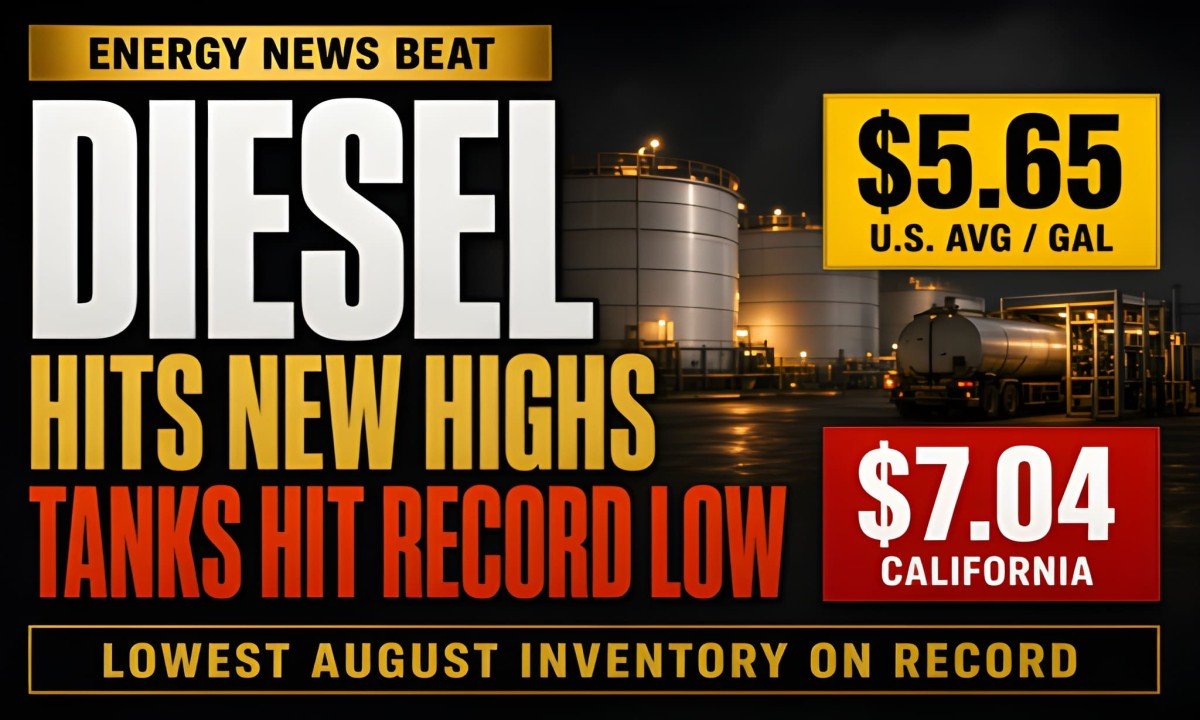
Diesel Price Record High:-The price of diesel fuel has hit an all-time high in the United States, according to AAA, driven largely by the ongoing war between the U.S. and Iran and Ukrainian strikes on Russian oil refineries. The national average for a gallon of diesel now stands at $5.85, the highest level ever recorded.
This diesel price record high matters far beyond truckers and farmers. Diesel powers a huge share of the country’s supply chain, moving food, goods and raw materials across the country every day. When diesel prices climb this high, the effects tend to ripple out into everyday costs for ordinary Americans.
Here’s what’s driving diesel prices to record levels, why it matters, and what it could mean for your wallet in the months ahead.
How High Are Diesel Prices Right Now?
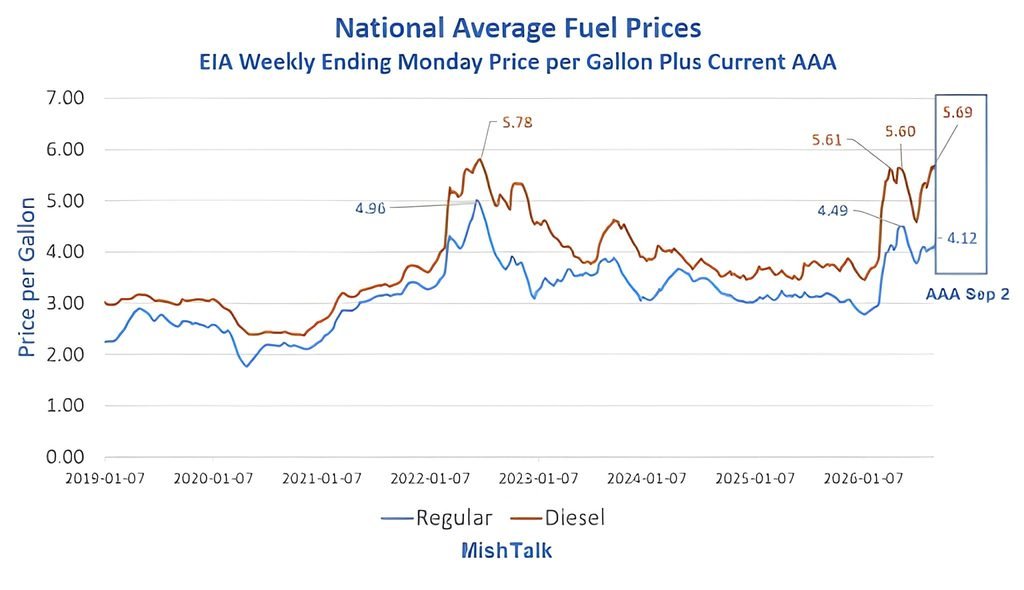
The national average price for a gallon of diesel is now $5.85, according to AAA data. That’s the highest price ever recorded for diesel in the United States, surpassing the previous record of $5.81 a gallon set in June 2022, just a few months after Russia’s invasion of Ukraine.
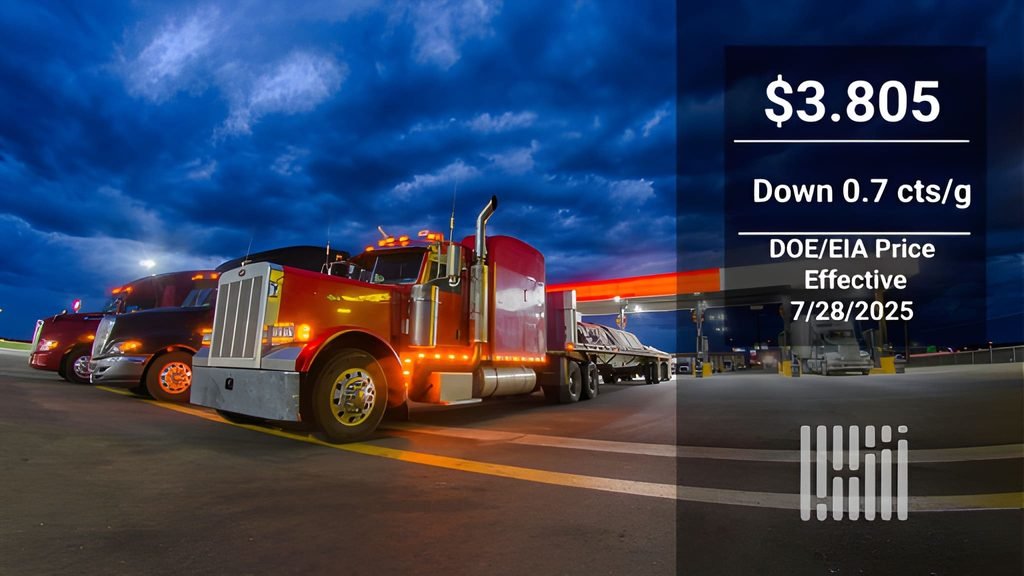
To put the current diesel price record high in perspective, a gallon of diesel cost $3.76 the day before the current U.S.-Iran war began. That means diesel prices have jumped by more than $2 a gallon, an increase of well over 50%, in roughly six months.
Patrick De Haan, a petroleum analyst at the fuel-tracking app GasBuddy, said the record is especially significant because of how deeply diesel is woven into the American economy. He pointed to what he called the “three t’s”: trains, tractors and trucks, nearly all of which rely heavily on diesel fuel to operate.
Why Diesel Prices Are Hitting a Record High
Several factors are combining at once to push diesel to this diesel price record high, according to energy analysts.
The main driver is the ongoing war between the United States and Iran, which began in late February and has repeatedly disrupted shipping through the Strait of Hormuz, a critical route for global oil exports. That disruption has pushed up prices for most types of petroleum products, not just diesel.
At the same time, Ukraine has carried out a series of long-range strikes on Russian oil refineries in recent months, knocking many of those facilities offline. As a result, Russia has cut back its own diesel exports and has even begun importing fuel from countries including India, Kazakhstan and Belarus to make up for the shortfall, according to earlier NPR reporting.
Diesel supply has also tightened because some refineries in Asia have limited how much diesel they export, further constraining the global supply available to the U.S. market.
The Diesel-Jet Fuel Connection
One less obvious factor behind the diesel price record high involves jet fuel. Prices for jet fuel have also risen sharply since the war began, and U.S. refiners have responded by shifting more of their production toward jet fuel to take advantage of those higher prices.
Jaime Brito, head of Dow Jones Energy, said that shift has a direct trade-off: when refiners produce more jet fuel, they inevitably produce less diesel. That squeeze on diesel supply has added further upward pressure on prices, even as demand for diesel across the economy has stayed relatively steady.
Why It Matters When Diesel Costs More
While most Americans notice regular gasoline prices because they fill up their own cars, diesel plays a much bigger role behind the scenes in how goods move through the economy.
“Diesel is the blood of the economy,” Brito said, describing how it powers the movement of food and agricultural products from farms to grocery store shelves.
Diesel and gasoline are both refined from crude oil, but they are processed differently and used in different types of engines, which is why their prices don’t always move in lockstep. Diesel’s central role in trucking, rail transport and farm equipment means that when its price rises, those higher costs tend to work their way into the price of many other things Americans buy.
Diesel’s Impact on Schools and Farms
The diesel price record high is already creating real budget pressure in some corners of the country. About 90% of the nation’s 500,000 school buses run on diesel fuel, and rising costs have stretched school district transportation budgets just as the new school year gets underway.
Farmers are also feeling the impact directly. Roughly 75% of agricultural equipment in the U.S. runs on diesel, according to the Engine Technology Forum, an industry group that tracks engine technology trends. That makes higher diesel prices an added cost for farmers heading into harvest season, when equipment use is at its highest.
Because diesel is used so heavily to move farm products afterward, from the field to processing plants to grocery stores, rising fuel costs at this stage of the supply chain risk pushing up food prices for consumers down the line.
How This Fits Into Broader Inflation
The diesel price record high is landing at a time when Americans are already dealing with elevated inflation across the broader economy. According to the latest Consumer Price Index data released in August, overall inflation was up 3.4% over the past year.
Energy costs specifically have risen even faster than the broader inflation rate, and an analysis from the Federal Reserve Bank of New York found that rising energy prices are eating further into household budgets, with the effect landing hardest on lower-income households that spend a larger share of their income on fuel and transportation-related costs.
Oil companies, meanwhile, have benefited from the higher prices tied to the war. Earlier NPR reporting found major oil companies posted unusually strong profits in the second quarter of 2026, a result directly tied to elevated wartime crude prices.
Will Diesel Prices Come Down Soon?
There are reasons to think diesel prices could stay elevated for a while longer, according to industry analysts. Diesel prices typically rise in the fall as farmers ramp up equipment use ahead of harvest season, adding seasonal demand on top of the current supply pressures.
Winter weather could add further strain. Heating oil, which is chemically similar to diesel, tends to rise and fall in price alongside it. As colder weather sets in and more households turn on their heat, that added demand could keep pressure on diesel prices as well.
A recent U.S. deal with Venezuela for access to a large volume of crude oil has drawn attention as a possible way to ease fuel costs, but energy experts have cautioned that deal is unlikely to bring meaningful relief to gas or diesel prices in the near term.
What Happens Next
As of now, there’s no clear timeline for when diesel prices might come down from this record high. Much depends on developments in the ongoing U.S.-Iran war, particularly whether shipping through the Strait of Hormuz stabilizes, and on whether Russian refineries damaged by Ukrainian strikes are able to resume normal production.
In the meantime, industries that rely heavily on diesel, including trucking, farming, school transportation and shipping, are likely to continue absorbing higher costs, some of which may eventually be passed along to consumers through higher prices on food, goods and transportation-related services.
What is the current price of diesel in the US?
The national average price for a gallon of diesel is $5.85, according to AAA. That marks an all-time high, surpassing the previous record of $5.81 a gallon set in June 2022.
Why are diesel prices at a record high?
Diesel prices are at a record high mainly because of disrupted oil shipping through the Strait of Hormuz tied to the ongoing U.S.-Iran war, along with Ukrainian strikes on Russian oil refineries that have cut global diesel supply. Refiners shifting production toward jet fuel has further reduced diesel output.
How much have diesel prices gone up since the Iran war started?
Diesel cost $3.76 a gallon the day before the current U.S>-Iran ear began in late February. Since then, prices have risen by more than $2 a gallon, an increase of over 50% , to reach the current record of $5.85
How does the diesel price record high affect regular consumers?
Diesel powers much of the supply chain that moves food, farm products and goods across the country. As diesel costs rise, those higher transportation and production costs often work their way into the prices consumers pay for groceries and other everyday goods.
Are school districts affected by rising diesel Prices?
Yes. About 90% of the nation’s roughly 500,000 school buses run on diesel fuel. Rising diesel costs have added financial strain to school transportation budgets as the new school year begins.
Will diesel prices go down soon?
There’s no clear timeline for relief. Diesel prices typically rise seasonally in the fall due to farm equipment demand, and winter heating oil demand could add further pressure. A recent U.S.-Venezuela oil deal is not expected to significantly lower fuel prices in the near term, according to energy experts.
Are oil companies profiting from higher diesel and gas prices?
Yes. Major oil companies reported unusually strong profits in the second quarter of 2026, which analysts linked directly to elevated crude oil prices driven by the ongoing war and its effects on global oil markets.