
The United States has now confirmed more than 2,500 measles cases in 2026, making this the worst year for the disease in the country since 1991,Federal health officials say the milestone shows how much vaccination rates have slipped since the COVID-19 pandemic-and how quickly a highly contagious virus can spread once that protection weakness
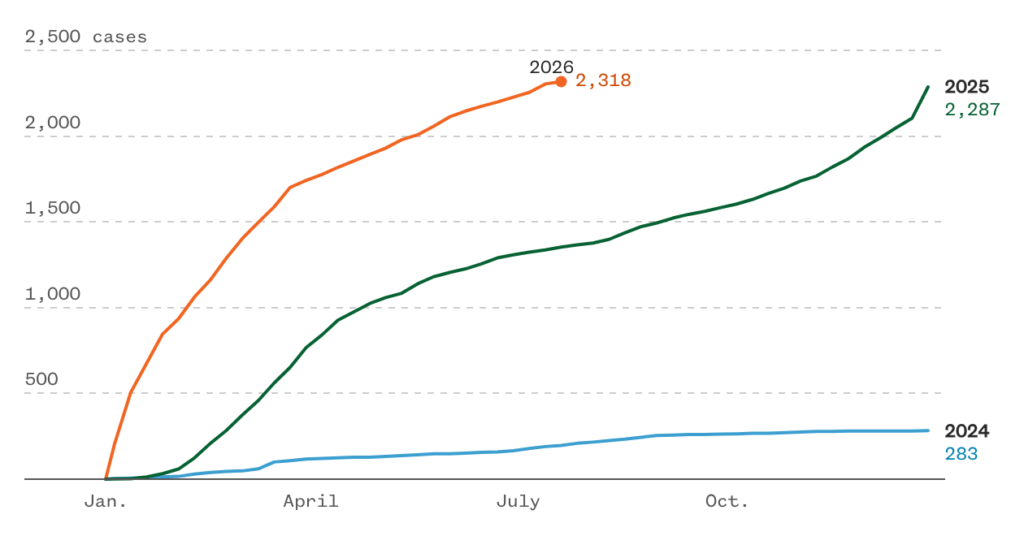
The Centers for Disease Control and Prevention said on Friday, August 14, 2026 ,that it has recorded 2,566 confirmed US measles cases so far this year. That is already more than the entire 2025 total and marks the highest single-year case count in more than three decades. Cases have now been reported in 45 states, plus New York City and Washington, D.C.
While the numbers are alarming, there is one piece of good news: no measles deaths have been reported in the U.S. so far in 2006, even as the case count climbs. Health officials say that is largely due to fast outbreak response and better access to care, but they warn the risk to unvaccinated children remains serious.
What Happend?
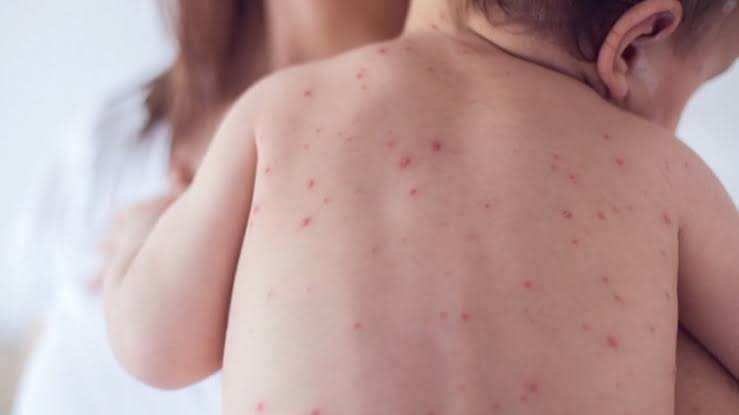
Measles is a virus that spreads through the air when an infected person coughs or sneezes. It is one of the most contagious diseases known to science – a single infected person can pass it to nine out of ten unvaccinated people who share the same space, even after that person has left the room.
For years, the measles vaccine – known as MMR because it also protects against mumps and rubella – kept the disease under control in the United States. The country declared measles “eliminated” in 2000, meaning the virus was no longer spreading continuously within U.S. borders. Any cases since then came from travelers who picked up the virus overseas and, occasionally, small local outbreaks that were quickly contained.
That has changed over the past two years. In 2025, the U.S. recorded roughly 2,289 measles cases, which was already the highest total in more than 30 years. In 2026, the country broke that record even faster. By late July, the case count had already passed the entire 2025 total, and by mid-August it had climbed past 2,500.
US measles cases Latest Numbers
According to the CDC’s most recent update:
- 2,566 confirmed measles cases have been reported in the U.S. so far in 2026.
- 45 states, New York City, and Washington, D.C. have all reported at least one case.
- 38 new outbreaks have been identified in 2026, compared with 48 in 2025. An outbreak is defined as three or more related cases.
- 94% of this year’s cases – about 2,407 of the 2,566 – are linked to an outbreak. Roughly 1,032 of those cases come from outbreaks that started in 2026, while another 1,375 stem from outbreaks that began back in 2025 and are still spreading.
- 169 people have needed hospital care for measles this year. That is down from 243 hospitalizations in 2025, even though the total number of cases is higher.
- Zero deaths have been linked to measles in 2026 so far, compared with three deaths in 2025.
- 93% of cases involve people who were unvaccinated or whose vaccination status is unknown. The rest had received one or two doses of the MMR vaccine before getting infected.
Why US measles cases Matters
Before the measles vaccine became available in 1963, nearly every child in the U.S. caught measles at some point, and the disease killed hundreds of Americans each year. The vaccine changed that dramatically. By declaring measles eliminated in 2000, the U.S. joined a small group of countries that had essentially wiped out ongoing spread of the disease.
That status is not guaranteed to last. Public health officials use a simple rule: to stop measles from spreading through a community, at least 95% of people need to be immune, usually through vaccination. That level of protection is known as “herd immunity,” because it protects even those who cannot get vaccinated, like newborns or people undergoing certain medical treatments.
National kindergarten vaccination data shows MMR coverage has fallen below that 95% threshold in most states, dropping to about 92.5% during the 2024-2025 school year, down from roughly 95.2% in 2019. That gap may look small on paper, but it is enough to let measles start spreading again once it enters a community.
What Officials Are Saying About US measles cases
The CDC has not attributed the rise to a single cause, but it has consistently pointed to falling vaccination rates as the main driver. The agency’s data shows the vast majority of this year’s cases are in people who skipped the vaccine or whose vaccination status could not be confirmed.
Dr. Richard Besser, a pediatrician who previously served as the CDC’s acting director and now leads the Robert Wood Johnson Foundation, has spoken publicly about the trend for months. Referring to the record case count, he said crossing that threshold was a tragic reminder that measles has made an alarming comeback in the United States.He has also warned that measles tends to be the first vaccine-preventable disease to resurface when immunization rates slip, since it spreads far more easily than diseases like whooping cough or chickenpox.
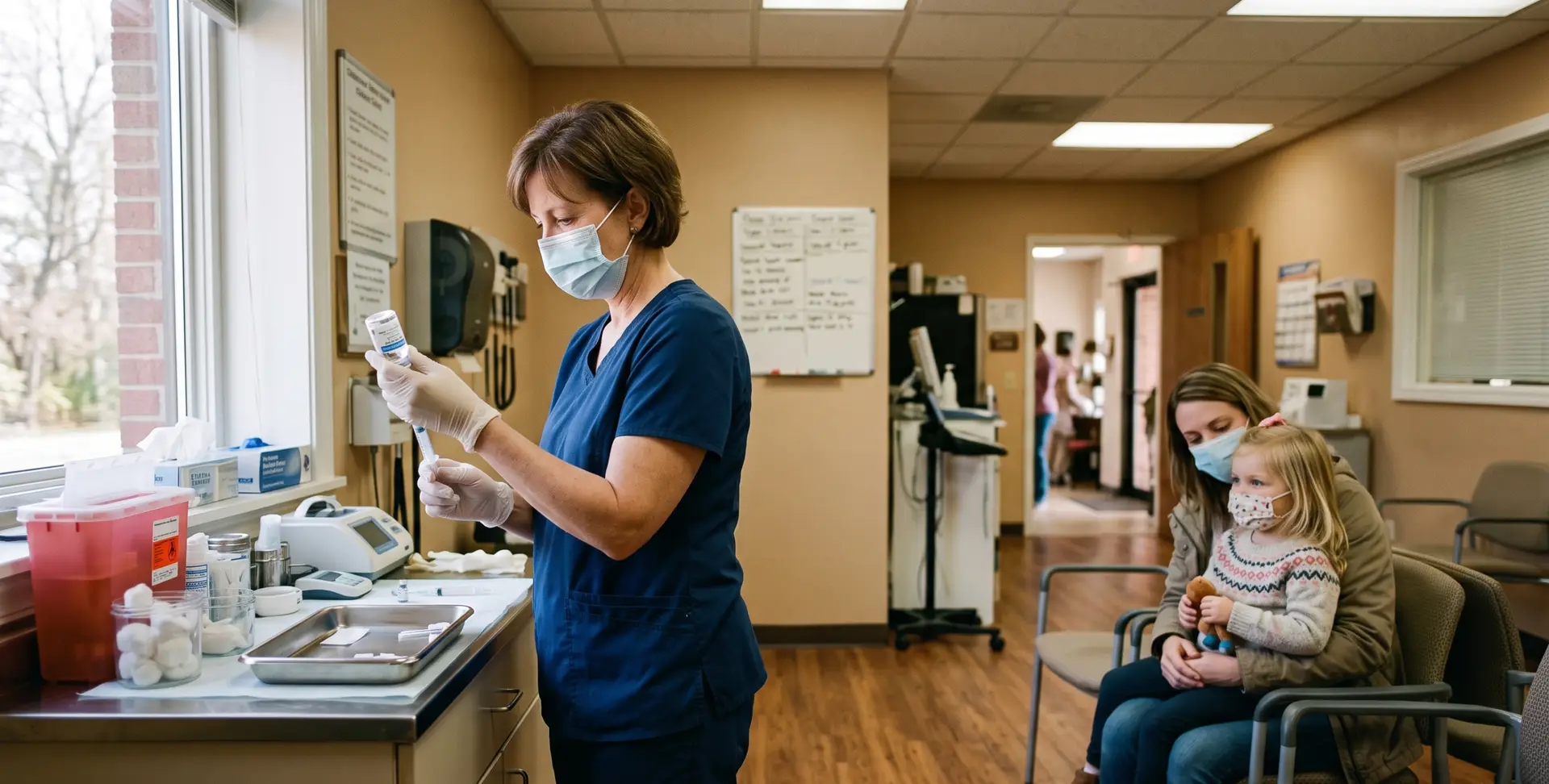
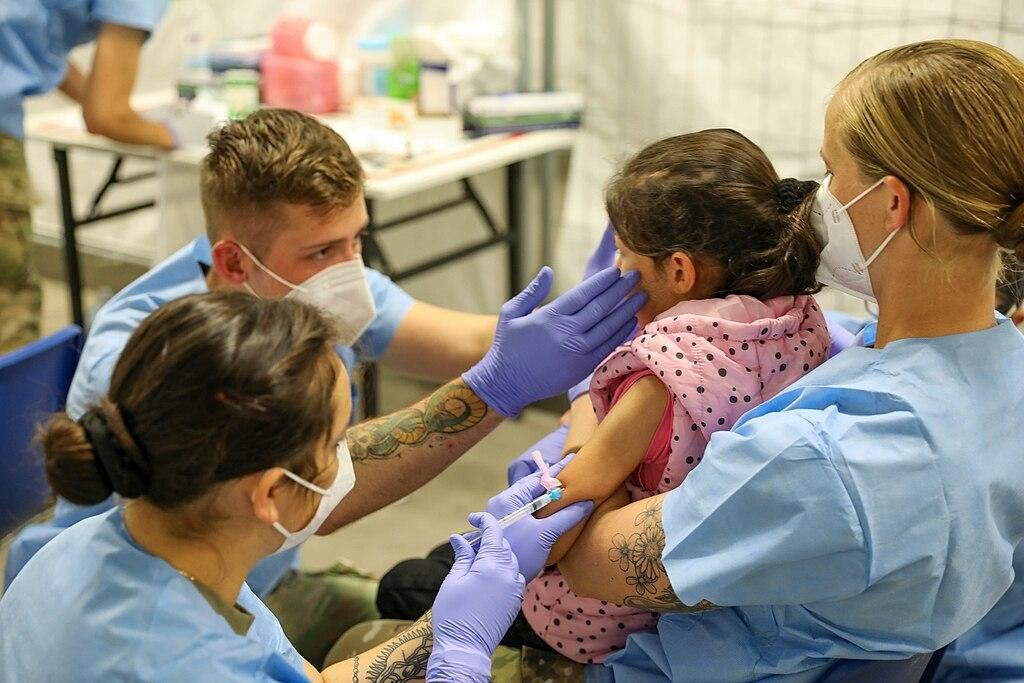
State health departments in the hardest-hit areas, including South Carolina, Utah, Arizona, and Florida, have urged residents to check their vaccination records and get the MMR vaccine if they are not already protected. Local clinics in several outbreak areas have set up mobile vaccination sites to make it easier for families to get the shot quickly.
Timeline of US measles cases
- 2000:The U.S. officially declares measles eliminated, meaning the virus no longer spreads continuously within the country.
- Early 2025: A US measles cases outbreak begins in West Texas and spreads to nearby states.
- 2025 (full year): The U.S. records about 2,289 measles cases, the highest annual total in more than 30 years at the time, along with 243 hospitalizations and three deaths.
- October 2025: A new measles outbreak begins in South Carolina.
- April 2, 2026: The CDC reports 1,671 confirmed cases nationwide across 33 states and jurisdictions.
- Late July 2026: The 2026 US measles cases count surpasses the entire 2025 total.
- August 13-14, 2026: The CDC confirms 2,566 cases for the year, the highest total since 1991, spread across 45 states, New York City, and Washington, D.C.
Impact on Americans
For most families, the biggest practical concern is making sure children and other household members are up to date on the MMR vaccine, especially before travel or before school starts. The CDC recommends the first dose at 12 to 15 months old and a second dose between ages 4 and 6.
Infants younger than 12 months are generally too young for routine vaccination and depend on the people around them being immune. That is one reason health officials stress herd immunity – protecting the wider community also protects the youngest and most vulnerable residents who cannot yet get the shot themselves.
People who are unsure of their own vaccination status, including some adults born after 1957 who may have received an older, less effective version of the vaccine used before 1968, can ask a doctor about getting a booster or a blood test to check their immunity.
The outbreaks have also put pressure on public health systems in affected states, from contact tracing to running vaccination clinics, at a time when many state health departments are already dealing with tight budgets and staffing.
What Happens Next?
The CDC said it will continue to update its measles case count weekly as new reports come in from state and local health departments. Outbreaks in South Carolina and other states remain active, meaning the national total is likely to keep rising through the rest of 2026.
Health officials have not announced any new federal measures specific to this update, but they continue to recommend that unvaccinated individuals get the MMR vaccine, particularly ahead of the school year and holiday travel season, when close contact between large groups makes the virus easier to spread.
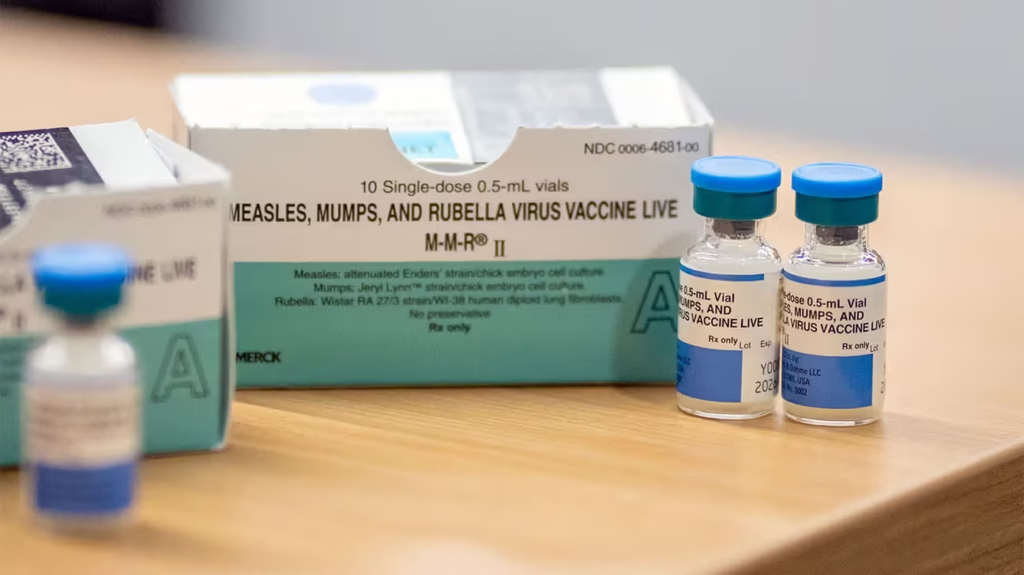
Whether the U.S. keeps its official measles elimination status is expected to become clearer after the Pan American Health Organization’s review later this year. Until then, health officials say the most effective tool against further spread remains the same one that helped eliminate the disease in the first place: vaccination.
Unlock New Levels of Viewer Interaction https://streamtoearn.pages.dev
SolidHashs: The Fastest Way to Generate Hashes https://hashsolid.pages.dev
Robust Hashing Solutions for Every User https://solidhashs.pages.dev
The analysis adds useful context to the broader digital asset market.
ROI Calculator
На этом веб-сайте вы сможете найти огромное количество интересных публикаций.
На страницах ресурса размещены различные заметки на животрепещущие направления.
Всякий пользователь имеет возможность почерпнуть что-то нового и расширить свой понимание.
Публикации постоянно пополняются, чтобы пользователи всегда имели доступ к самой новейшей подборке.
https://sakhaday.ru/news/psihologicheskiy-test-kakoe-slovo-vy-uvideli-pervym
Теплоизоляционные материалы играет критическую роль в поддержании комфортной температуры внутри здания.
Качественная изоляция даёт возможность существенно снизить расходы на обогрев и кондиционирование помещений.
https://mnfq.ru/secret-docs/105-primenenie-kauchukovoy-izolyatsii-v-morskoy-otrasli-zashchita-ot-korrozii-i-mekhanicheskikh-povrezhdeniy.htm
Более того, изоляция защищает от появление сырости, грибка и разрушения конструкций.
Следовательно, грамотная теплоизоляция обеспечивает экономию ресурсов и благоприятный микроклимат в доме.
Сайты для совершеннолетних могут служить инструментом сексуального ликбеза, а также поддержкой в понимании личных предпочтений.
Они помогают взрослым изучать свои границы в защищённой обстановке, снижая опасность реальных последствий.
порно рассказы унижение
Для партнёров совместное обсуждение подобных тем способно усиливать взаимопонимание и становиться поводом для честного диалога о предпочтениях и границах.
Помимо этого эти ресурсы дают возможность для безопасной разрядки напряжения и уменьшения психологического напряжения, не причиняя ущерба окружающим.