
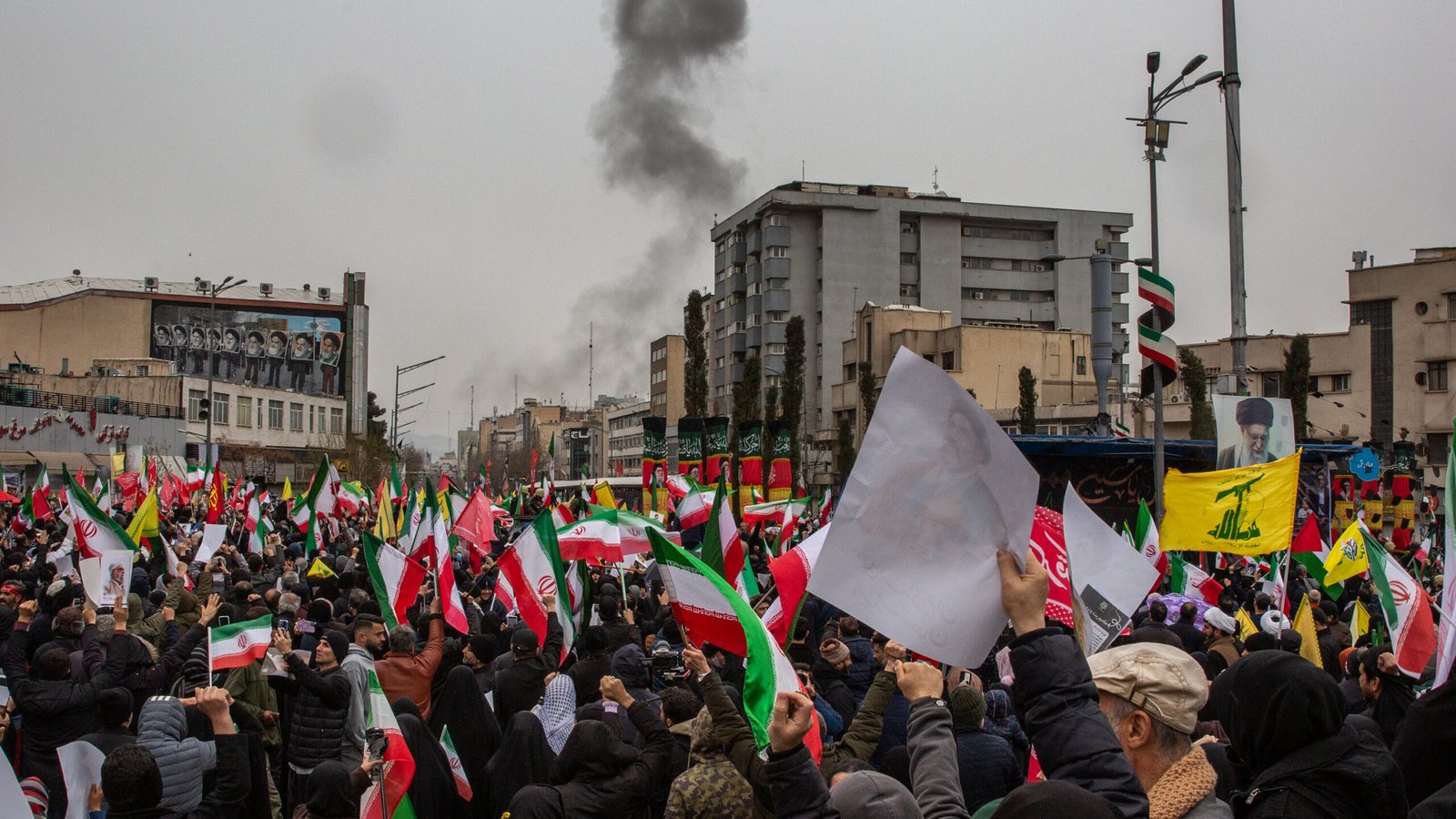
Iran has announced a serious new warning for ships crossing the Strait of Hormuz. The country’s new maritime authority says vessels that break its transit rules could be fined, detained, or have their cargo taken away. The Iran Strait of Hormuz fines warning was posted online on August 23, 2026, and it raises the stakes for shipping companies moving oil and other goods through one of the world’s busiest waterways.
The warning comes from the Persian Gulf Strait Authority, or PGSA. This is a body Iran recently created to control traffic through the strait. In a post on the social media platform X, the PGSA said any vessel that violates its rules “shall face restrictions on future passages, including fines, detention, or confiscation.”
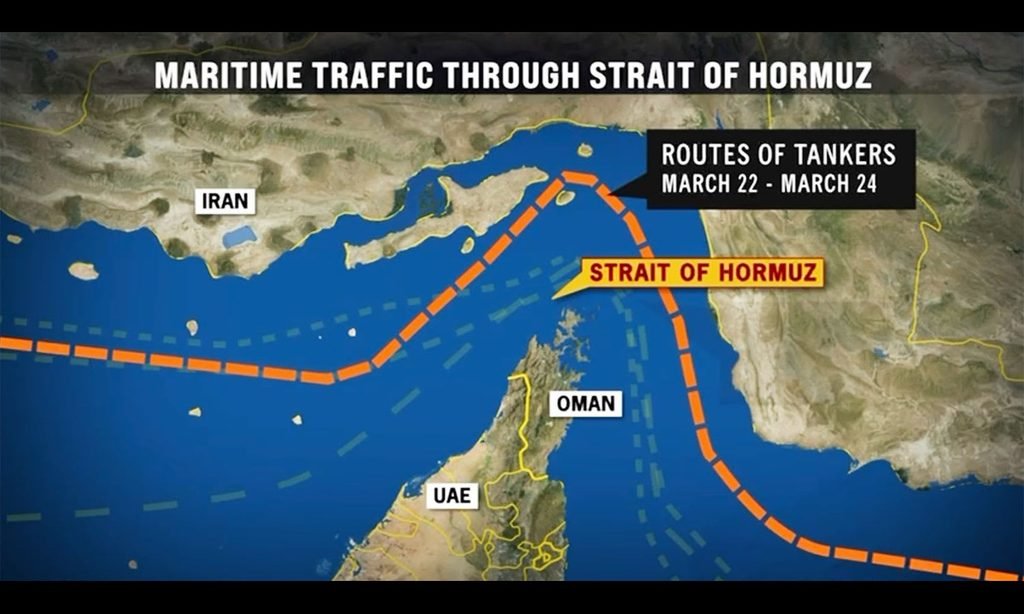
This matters to Americans because the Strait of Hormuz plays a huge role in the world’s eunergy supply. A large share of the planet’s oil and natural gas passes through this narrow waterway between Iran and Oman. When ships slow down or avoid the strait, gas prices and shipping costs can rise for people far away from the Middle East, including drivers and businesses in the United States.
What Happened?
On Sunday, August 23, 2026, Iran’s Persian Gulf Strait Authority posted a public warning on X. The authority said vessels that do not follow Iran’s rules for passing through the Strait of Hormuz will face penalties. Those penalties include money fines, having the ship held in port, or losing the cargo altogether.
The PGSA also told cargo owners shipping goods to or from the Persian Gulf to check an updated list before booking a ship. This list names vessels that Iran considers “non-compliant”. Companies are being told to review this list carefully before they hire, or “charter,” a ship for a Gulf voyage.
The authority added a second rule that could affect many more ships. Any vessel that works with a ship already on the non-compliant list, such as through a ship-to-ship fuel transfer, will also be added to the restricted list. This means one violation could spread to other vessels working nearby.
Shipowners who believe their vessel was wrongly added to the list can ask for it to be removed. To do this, they must send a formal written request with an explanation to Iranian maritime officials.
Background: Why Is This Happening Now?
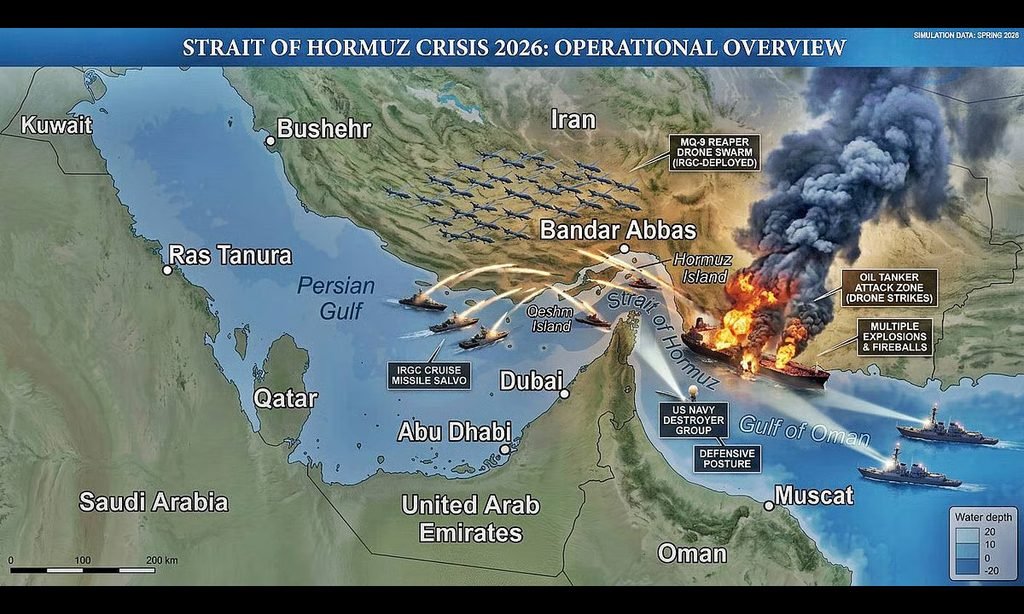
To understand this warning, it helps to know what has happened in the region this year. Fighting between the United States, Israel, and Iran broke out in early 2026. In response, Iran restricted traffic through the Strait of Hormuz, and the United States put its own naval blockade on Iranian ports.
In June 2026, US President Donald Trump and Iranian President Masoud Pezeshkian signed an agreement. It said the US would lift its naval blockade, and Iran would allow safe passage for commercial ships for 60 days without charging them. The agreement also said Iran, working with Oman and other Gulf nations, would eventually decide how the strait should be managed long-term.
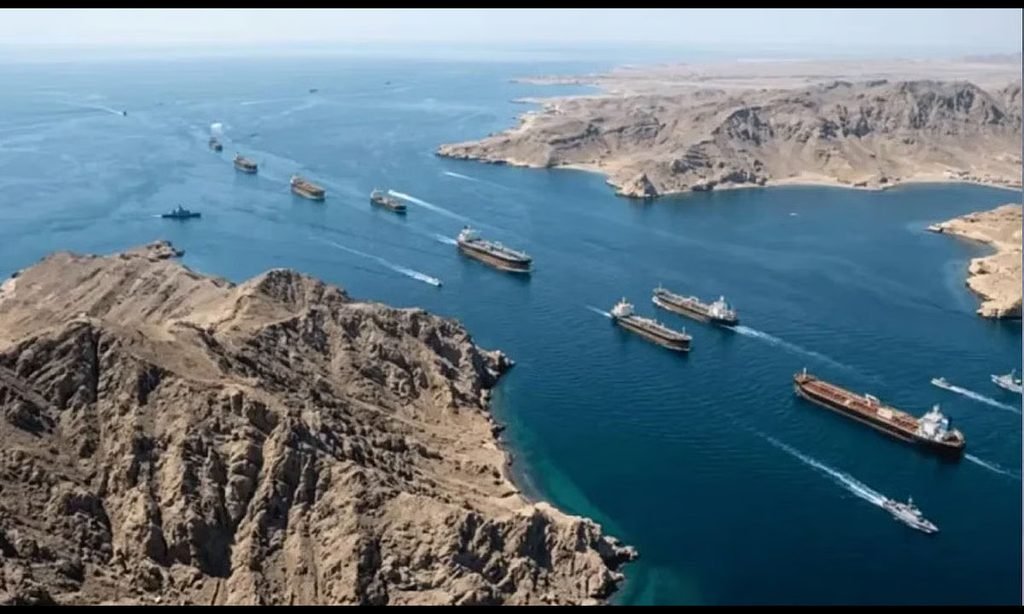
That 60-day window has since ended. Tensions rose again in July after Iran fired on commercial ships near Oman’s waters, and the US answered with military strikes. The United States reimposed its naval blockade on Iranian ports in mid-July. Since then, US Central Command, or CENTCOM, has reported redirecting dozens of commercial vessels and disabling several ships that tried to break the blockade.
Around the same time, Iran approved a plan called the “Strategic Action to Ensure the Security and Progress of the Strait of Hormuz.” Under this plan, ships from countries Iran considers “authorized” must now pay service fees to Tehran to pass through the strait. Iranian officials say the fees cover navigation, environmental protection, fueling, insurance, and safety services. The new fines-and-detention warning from the PGSA builds directly on this plan.
Latest numbers on Ship Traffic
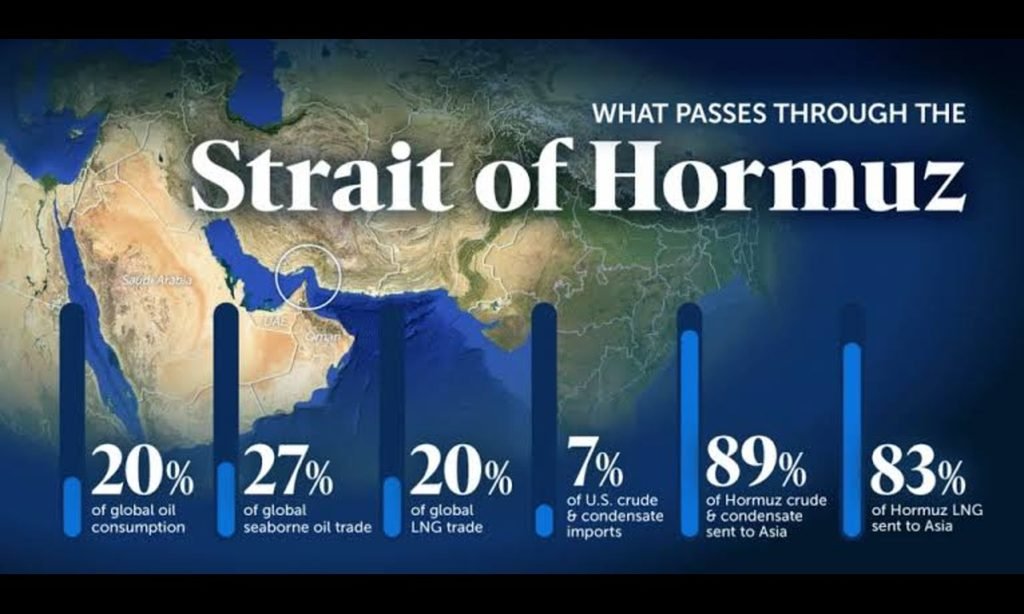
Shipping data shows just how much traffic through the Strait of Hormuz has dropped. Only four vessels crossed the strait on Sunday, August 23. That is far below normal levels for a waterway that historically carried about a quarter of the world’s seaborne oil trade and roughly a fifth of the world’s liquefied natural gas.
The day before, 13 vessels made the crossing, and 16 crossed on the Friday before that. These numbers can shift because some ships turn off their tracking devices while passing through the region, making it harder to get a full picture.
CENTCOM also reported that, as of August 23, US forces have redirected 70 commercial vessels since the blockade was reimposed. The US has disabled three vessels and boarded two others to enforce compliance with the blockade. These figures show that both the US military and Iranian authorities are actively controlling and monitoring who passes through the strait.
What Official Are Saying
The PGSA has been direct about its intentions. In its post, the authority stated that vessels violating its protocols “shall face restrictions on future passages, including fines, detention, or confiscation.” It also warned that any ship helping a non-compliant vessel, including through fuel transfers at sea, would immediately be added to the same restricted list.
On the American side, President Trump has repeatedly said the naval blockade against Iran is working. He has stated that the US Navy is in control of the strait and that the waterway has been cleared of mines. Iranian officials dispute the idea that Hormuz is fully open, and shipping data has shown much lower traffic than usual.
Iran’s parliamentary speaker, Mohammad Bagher Ghalibaf, has said the strait will stay closed until the US meets certain conditions. Those conditions reportedly include ending the blockade of Iranian ports, lifting oil sanctions, and unfreezing Iranian financial assets abroad.
Impact on Americans
Even though the Strait of Hormuz is thousands of miles from the United States, what happens there can still affect American wallets. Oil and gas prices are set on a global market. When a major shipping route becomes riskier or slower, it can push prices higher at gas stations across the country.
The new Iran Strait of Hormuz fines system could also make shipping companies more cautious. Some may avoid the strait entirely or pay more for insurance to cover the risk of fines, detention, or having their ship’s cargo seized. Those extra costs often get passed along to buyers, including American businesses that import goods carried through the Gulf.
US energy traders are already watching the situation closely. Oil prices have moved higher in recent weeks as traders price in the chance that disruptions to the strait could continue. Any American who drives a car, flies on a plane, or buys products shipped by sea has a stake in how this standoff plays out.
What Happens Next?
There is no confirmed timeline for when tensions around the Strait of Hormuz might ease. As of now, the US naval blockade on Iranian ports remains in place, and Iran’s new fine-and-detention system for the strait is active.
Cargo owners are expected to start checking the PGSA’s non-compliant vessels list before booking ships for Gulf routes. Shipping companies may also adjust their routes, insurance coverage, or pricing in response to the new rules. It remains unconfirmed how strictly, or how often, Iran will actually enforce fines, detentions, or confiscations against vessels going forward.
Diplomatic talks between the US and Iran have been on and off in recent weeks. Iranian officials have said conversations with Oman about the strait’s future management are ongoing, but no broader deal between Washington and Tehran has been announced. Until one is reached, both Iran’s rules and the US blockade appear likely to continue shaping traffic through this critical waterway.
What did Iran announce about the strait of Hormuz?
Iran’s Persian Gulf Strait Authority warned that ships violating its transit rules could face fines, detection, or confiscation of cargo. The warning was posted on X on August 23, 2026, and applies to vessels sailing to or from the persian Gulf.
What is the Persian Gulf Strait Authority(PGSA)?
The PGSA is a body Iran recently set up to manage traffic and enforce rules in the Strait of Hormuz. It maintains a public list of vessels it considers “non-compliat” and asks cargo owners to check that list before chartering a ship for the region.
Why is there an Iran Strait of Hormuz fines warning right now?
The warning follows Iran’s approval of a plan requiring authorized vessels to pay service feed to Tehran, along with months of rising tension between Iran, Israel, and the United States. Both the US naval blockade and Iran’s own rules have been shaping ship traffic through the strait.
How many ships are crossing the Strait of Hormuz currently?
Traffic has dropped sharply. Only four vessels crossed on August 23, compared with 13 the day before and 16 the previous Friday. Some ships also turn off tracking devices, which makes exact numbers hard to confirm.
Could this affect gas prices in the United States?
It’s possible. The Strait of Hormuz normally carries a large share of the world’s oil and natural gas shipments. Reduced traffic or higher shipping risk in the strait can contribute to higher global oil prices, which can affect prices at the pump in the US.
What happens if a ship is added to Iran’s non-compliant list by mistake?
According to the PGSA, shipowners can request removal from the list. They must submit a formal application explaining why the vessel should not be considered non-compliant to Iranian maritime authorities.
Is the Strait of Hormuz officially closed?
No single answer applies. US officials have said the strait is open and under American control, while Iranian officials say it remains effectively restricted. Shipping data shows traffic well below normal levels, suggesting the situation remains unsettled.
What is the US doing in response to Iran’s actions in the strait?
The United States reimposed a naval blockade on Iranian ports in July 2026. CENTCOM has reported redirecting dozens of commercial vessels and disabling or boarding several ships to enforce compliance with that blockade.
6 Replies to “Iran Strait of Hormuz Fines 2026: 5 Critical Facts About the New Warning”