
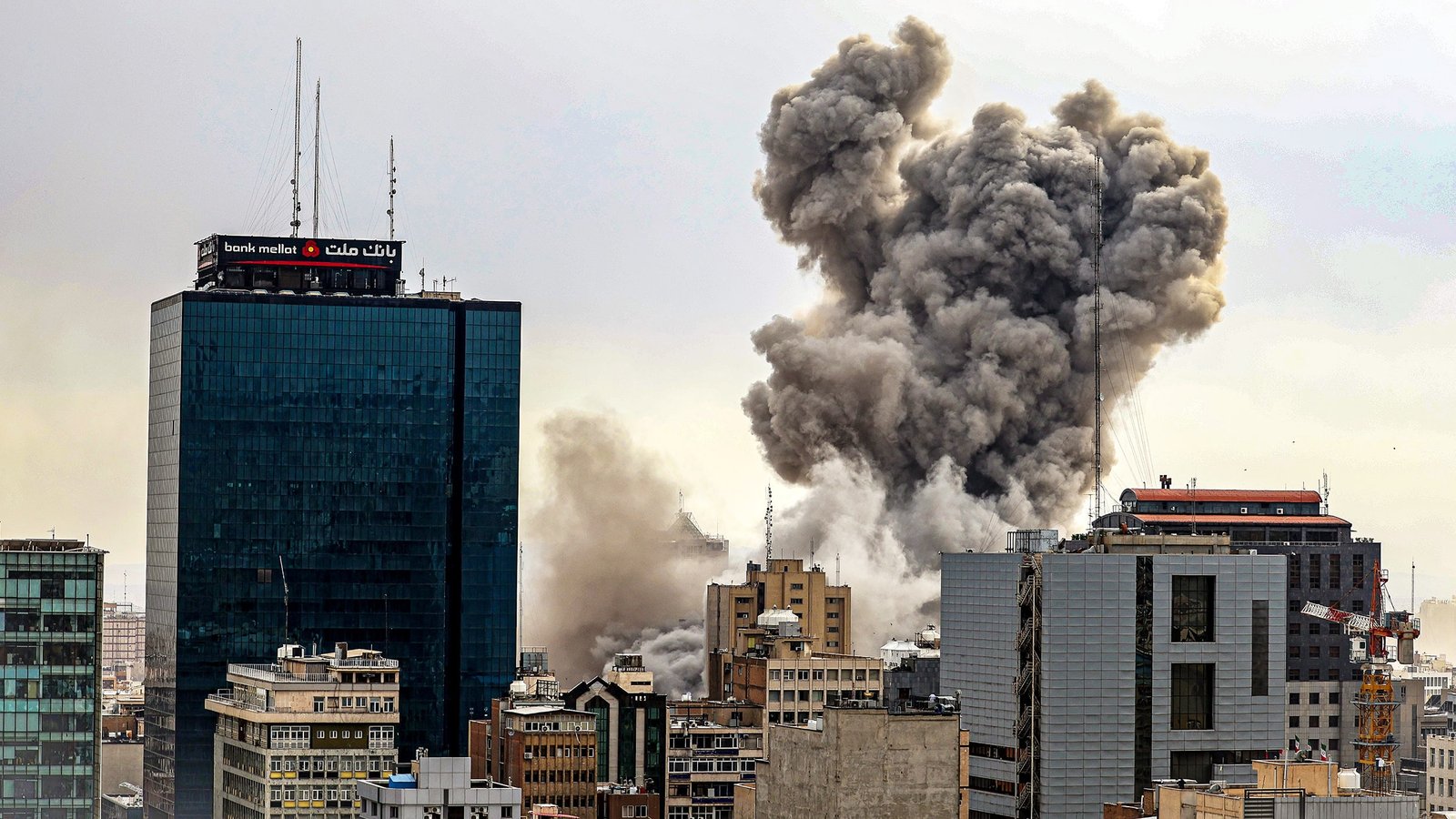
Friday marks six months since the United States and Israel launched military strikes on Iran, a conflict President Donald Trump initially predicted would last just four to five weeks. Instead, the US-Iran war has stretched on, expanded to several Gulf states, spiked gas prices nationwide, and left dozens of American troops dead or wounded.
The war began Feb. 28, when U.S. and Israeli forces struck Iranian military sites and leadership targets. Six months later, large-scale combat has slowed, but the two countries remain locked in a standoff that has shifted from the battlefield to economic pressure and stalled diplomacy.
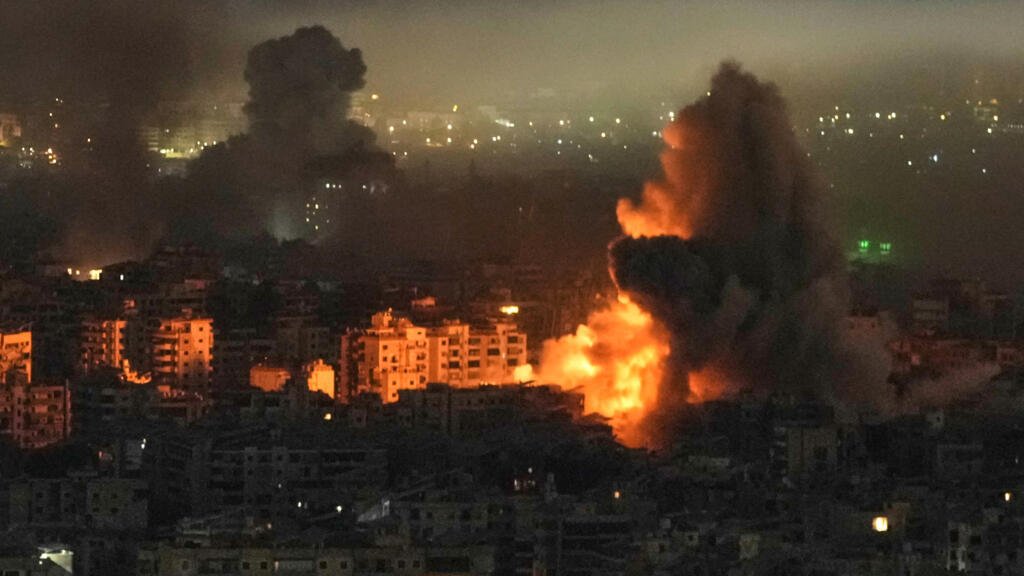
For everyday Americans, the US-Iran war has meant higher prices at the pump, growing unease in Washington, and no clear end in sight. Here’s a breakdown of how the war started, what it has cost, and where things stand heading into the fall.
How the US-Iran War Started
The war formally began on Feb. 28, 2026, when the United States and Israel carried out strikes that damaged key Iranian military sites and killed much of the country’s leadership. In a nationally televised address that day, Trump said the operation was meant to defend Americans by removing what he called imminent threats from Iran, including its pursuit of a nuclear weapon.
The strikes followed an earlier operation in June 2025, known as Operation Midnight Hammer, in which U.S. forces hit Iran’s underground nuclear facilities. At the time, the Trump administration said Iran’s nuclear program had been “obliterated.” Officials later acknowledged that Iran still had enriched uranium that could be used to build a weapon.
The war’s opening days were marked by one of its most devastating moments: an airstrike on an all-girls school in southern Iran that killed roughly 160 civilians, 120 of them schoolchildren. Iran has blamed the United States and Israel for the strike, though neither country has claimed responsibility. U.S. Central Command says it is investigating the incident and maintains that the U.S. does not target civilians, but the investigation has produced few public updates. International law bars the deliberate targeting of schools during armed conflict.
Iran responded to the initial strikes by attacking American military bases in Bahrain, Kuwait, Jordan and Iraq, using missiles and inexpensive attack drones on a scale U.S. officials say hasn’t been seen since the Vietnam War.
The Strait of Hormuz and the Global Economy
While the U.S. and Iran traded strikes across the region, Iran’s most disruptive move in the US-Iran war came at sea. Iran shut down commercial shipping through the Strait of Hormuz, a narrow waterway that carries a large share of the world’s oil exports. The blockade rattled global energy markets and effectively let Iran choose where the war’s economic front line would be.

U.S. Central Command says it has hit more than 13,000 Iranian targets since the war began, including military headquarters, naval vessels, air defense systems and drone launch sites. Despite that pace of strikes, reopening the strait and easing the economic fallout has become one of the administration’s central goals, six months into the war.
In early March, Defense Secretary Pete Hegseth told reporters Iran was showing “sheer desperation” over the strait closure and suggested it wasn’t a major concern. Six months later, U.S. strategy has shifted, with officials now treating the blockade’s economic impact as a top priority.
The Human and Financial Cost of the US-Iran War
The US-Iran War has come at a steep cost, both in lives and in dollars.
- 18 U.S. service members have died since the war began, and more than 750 have been wounded, according to Pentagon figures.
- Trump has attended three dignified transfer ceremonies for fallen troops, two in March and one in July, calling the task one of the hardest parts of the presidency.
- Global oil prices are up roughly 25% since the war began.
- The average price of gasoline nationwide is now above $4 a gallon, about a dollar more than before the war, according to GasBuddy.
- A Brown University tracker estimates the war has cost the average American household nearly $700 in extra fuel spending.
- The Pentagon has told Congress the war has cost more than $37.5 billion so far.
- The Defense Department is requesting an additional $67.1 billion in spending this year, citing the war as a major driver of that request.
- n April, the White House asked Congress for a record $1.5 trillion in defense spending for the 2027 fiscal year, a 42% increase that includes troop pay raises, new ship construction and faster production of munitions.
Trump has largely dismissed concerns about rising costs. In May, he described higher oil prices as a small price to pay to prevent Iran from obtaining a nuclear weapon, and said Americans’ financial situation was not a factor in his approach to ending the war. He has said he expects oil prices to fall sharply once the conflict is resolved.
Why the US-Iran War Is Increasingly Unpopular
Public support for the US-Iran war has declined steadily since it began, according to recent polling.
A Reuters/Ipsos poll conducted in late August found that only 31% of Americans approve of U.S. military strikes on Iran, down from 37% in March. Support among Republicans also slipped, falling from 77% in March to 69% in the same poll. Large majorities of Democrats (90%) and independents (67%) say they disapprove of the military action.
The same poll found that just 25% of Americans approve of how Trump is handling the situation with Iran, while 63% disapprove, a group that includes most Democrats and independents, along with 28% of Republicans. Trump’s overall approval rating in the August Reuters/Ipsos poll stood at 33%, matching a record low for his time in office.
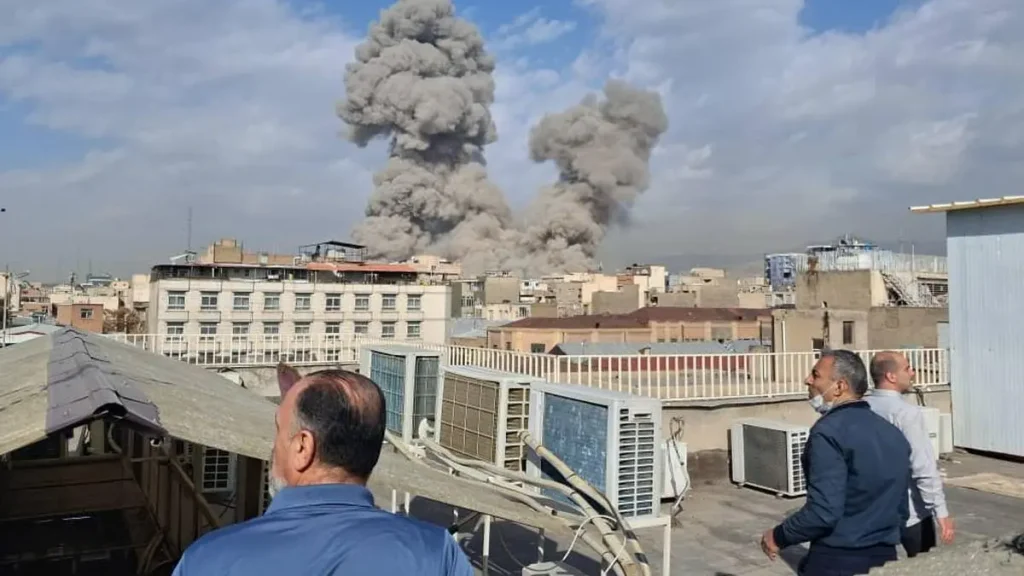
Even some Republican lawmakers who broadly support the president’s approach have grown uneasy as the midterm elections approach. House Speaker Mike Johnson said in late July that the U.S. needs to “wrap it up,” adding that ending the war before the midterms would help Republicans politically.
Throughout the war, Trump has repeatedly suggested it was close to ending, only for talks to collapse and fighting to resume. He has also threatened major military escalation on at least seven separate occasions, including one warning that Iran’s “civilization” would be destroyed, before pulling back toward negotiations that have yet to produce a lasting agreement.
What Diplomacy Has Achieved
The White House says diplomacy remains its preferred path out of the US-Iran war, and negotiators from both countries have held multiple rounds of talks over the past six months.
In April, U.S. and Iranian officials met in Islamabad, marking the first high-level, face-to-face talks between the two countries since before the Iranian Revolution decades ago. Those negotiations eventually produced a 14-point memorandum of understanding, signed by both countries’ presidents in mid-June, intended to serve as a framework for a broader nuclear agreement.
Within a week of taking effect, both sides accused each other of violating the memorandum. Trump declared the agreement dead just 22 days after it was signed, and fighting escalated again shortly after.
U.S. officials say lower-level contact between negotiators continues, but progress has largely stalled. As of late August, there is no indication that a new comprehensive agreement is close.
What’s Next in the US-Iran War
Six months in, large-scale U.S. military strikes on Iran have slowed significantly, with no major combat operations in nearly a month. Instead, the administration has shifted its focus back toward economic pressure, a strategy it used before the war began.
This week, the administration threatened significant sanctions on any country that continues doing business with Iran, an approach Trump has compared to an “economic D-Day.” Treasury Secretary Scott Bessent has said companies and countries still trading with Iran will get a “cure period” to wind down that activity, though he has not set a firm deadline or named China, Iran’s largest trading partner, directly.
Bessent has described the new economic pressure campaign as the “beginning of the endgame” for the conflict. Trump, for his part, has said he is in “no rush” to resolve the war and described the current approach as “low-keying it” in a recent interview.
Whether that strategy leads to a lasting resolution remains unclear. With the war now well past the timeline Trump originally predicted, and public approval near record lows, pressure is likely to keep building on the administration to show progress in the months ahead, particularly with midterm elections approaching in November.
What This Means for Americans
For most Americans, the US-Iran war has been felt less on the battlefield and more at the gas pump and in the federal budget. Rising fuel costs, a growing defense budget, and hundreds of billions of dollars in war-related spending requests are likely to remain points of debate in Washington as the conflict continues.
Families of the 18 service members killed and more than 750 wounded have also borne a direct human cost that polling suggests is weighing on public opinion, even among voters who initially supported the strikes.
As the war moves into its seventh month, the central questions remain the same ones that have shaped it from the start: whether economic pressure can succeed where military strikes have not, and whether renewed diplomacy can produce an agreement that holds.
When did the US-Iran war start?
The war began on Feb. 28, 2026, when the United States and Israel launched strikes on Iranian military sites and leadership targets. It followed an earlier U.S. strike on Iran’s nuclear facilities in June 2025, known as Operation Midnight Hammer.
How many US troops have died in the Iran war?
According to Pentagon figures, 18 U.S. service members have died and more than 750 have been wounded since the war began in February. President Trump has attended three dignified transfer ceremonies honoring fallen troops.
Why are gas prices so high right now?
Gas prices have risen largely because Iran blocked commercial shipping through the Strait of Hormuz, a key global oil route. Global oil prices are up about 25% since the war began, and the average U.S. gallon of gas is now above $4, roughly a dollar more than before the conflict.
How much has the US-Iran war cost taxpayers?
The Pentagon has told Congress the war has cost more than $37.5 billion so far. The Defense Department is requesting an additional $67.1 billion this year, and the White House has asked for a record $1.5 trillion defense budget for fiscal year 2027, citing the war as a major factor.
gerçekten çok yararlı bi konu teşekkürler