
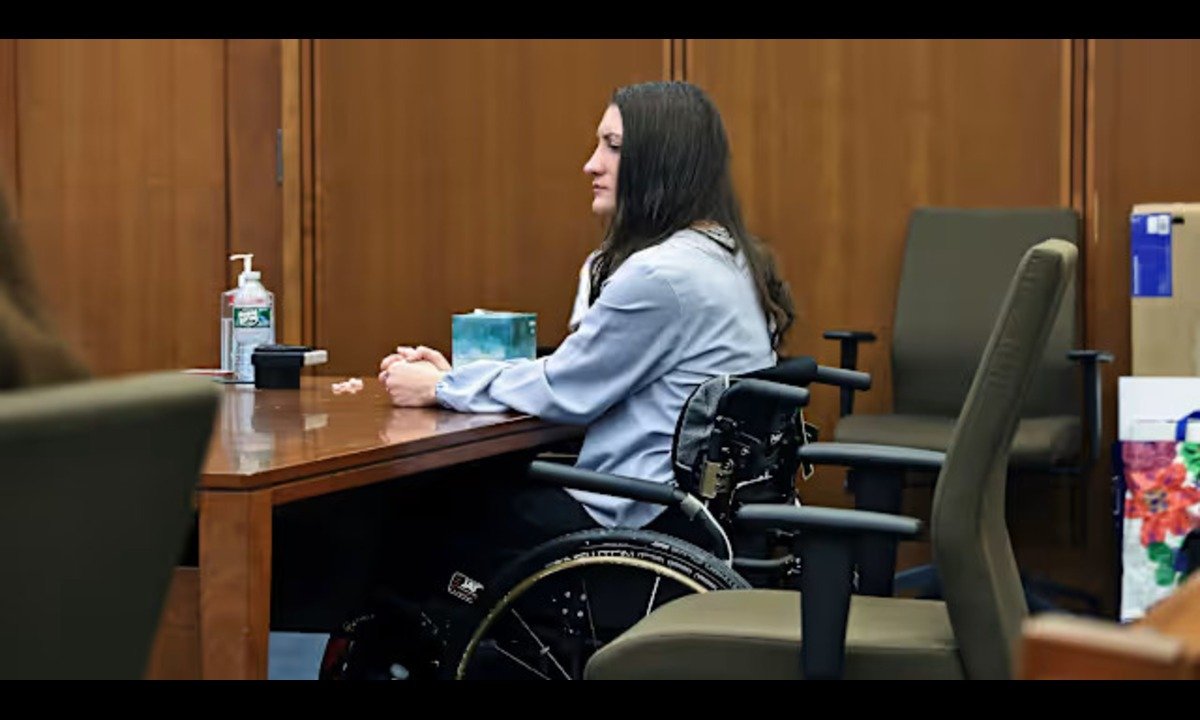
The Lindsay Clancy trial has reached its final stage. A jury in Plymouth Superior Court began deliberating Thursday after weeks of testimony in the case of the Massachusetts mother accused of killing her three young children in January 2023.
Clancy, now 36, has pleaded not guilty to three counts of first-degree murder in the deaths of her children, 5-year-old Cora, 3-year-old Dawson and 8-month-old Callan, in their Duxbury home. Her defense argues she was suffering from postpartum psychosis and should not be held criminally responsible. Prosecutors argue she acted “intentionally, rationally and swiftly.”
The Lindsay Clancy trial has drawn national attention because it raises hard questions about mental illness, motherhood and the legal system’s insanity defense. Deliberations, which began Thursday afternoon, were expected to continue into Friday.
Here is what to know about the case, the trial, and what could happen next.
If you or someone you know is struggling with thoughts of suicide, call or text 988 or chat at 988lifeline.org. Free, confidential help is available 24 hours a day, seven days a week.
What Happened to the Clancy Children
Lindsay Clancy trial :- According to prosecutors, on Jan. 24, 2023, Lindsay Clancy strangled her three young children inside the family’s home in Duxbury, a suburb south of Boston. Prosecutors say she used exercise resistance bands to carry out the killings.
Court records show that earlier that day, Clancy had taken one of her children to the pediatrician and played in the snow with her kids. She then asked her husband, Patrick Clancy, to pick up takeout food and a prescription from a nearby pharmacy. Witnesses said she appeared coherent at the time.
While her husband was away from the home, prosecutors allege Clancy killed the children and then attempted to take her own life by jumping from a second-story window. When Patrick returned, he found Lindsay semi-conscious and bleeding outside the house, and discovered their three children inside. Cora and Dawson were pronounced dead at the hospital that day; Callan, the youngest, was placed on life support and died three days later.
Clancy survived her suicide attempt but was left paralyzed from the waist down. She has been held at a state hospital receiving psychiatric and medical care since her arrest.
Background: A Mother’s Struggle With Mental Health
Testimony throughout the Lindsay Clancy trial has focused heavily on her mental health in the months leading up to the killings. Clancy, a former labor and delivery nurse, had reportedly sought help from multiple medical providers in late 2022, but was primarily diagnosed with generalized anxiety disorder rather than a more severe condition.
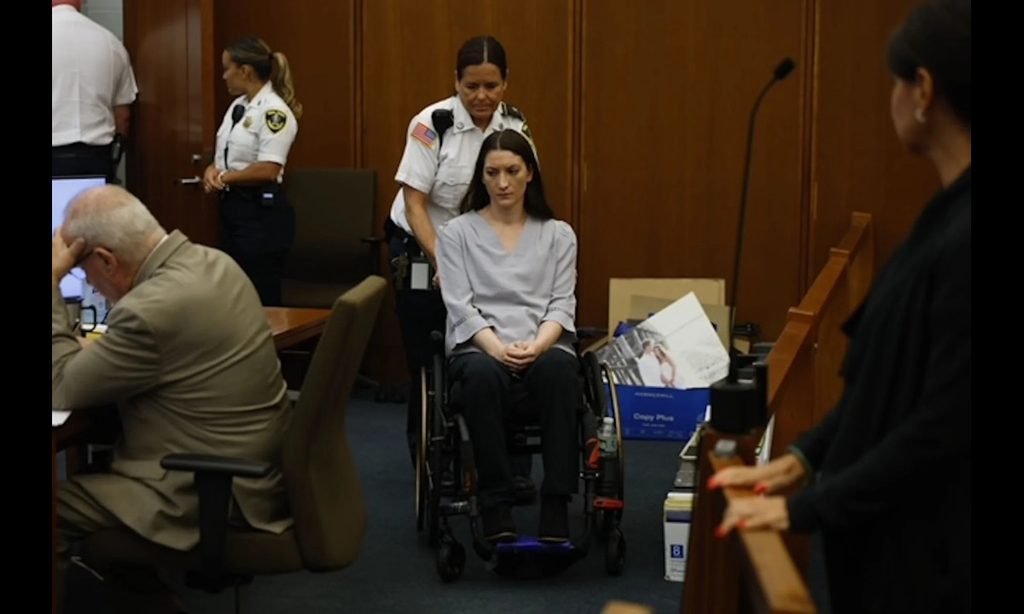
In December 2022, Clancy told a family member she needed to be hospitalized for mental health concerns. On Jan. 1, 2023, she was admitted to an inpatient program at McLean Hospital, a well-known psychiatric institution, but was discharged after just five days. Court testimony indicates the hospital believed her symptoms were more likely related to overmedication and misdiagnosis than postpartum depression, and recommended she taper off one of her prescribed medications.
According to evidence presented at trial, Clancy had been prescribed more than a dozen medications in the weeks before the killings as doctors tried to manage what they believed was depression. An analysis of her phone presented during testimony showed she had searched online for information about hallucinations, psychosis and the side effects of several of those drugs, along with searches related to postpartum depression and, separately, ways to die.
The defense has used this history to argue that Clancy was suffering from an undiagnosed and worsening mental health crisis. Prosecutors, meanwhile, have pointed to some of the same evidence, including her nursing background and her planning around her husband’s errand that day, to argue she understood what she was doing.
Timeline of the Lindsay
- Jan. 24, 2023: Cora and Dawson Clancy die; Lindsay Clancy is arrested and charged with murder.
- Jan.27,2023: Callan Clancy dies from his injuries three days after the incident
- 2023–2025: Pretrial hearings are repeatedly delayed as attorneys argue over medical records, expert witnesses and trial structure.
- July 20,2026:Jury selection begins in Plymouth Superior Court
- July 27,2026:Opening statements and testimony begin.
- Aug.26,2026:Closing arguments are delivered by both the prosecution and defense.
- Aug.27,2026:The jury begins deliberations after 21 days of testimony.
- Aug.28,2026:Deliberations continue into a second day.
What the Prosecution and Defense Argued
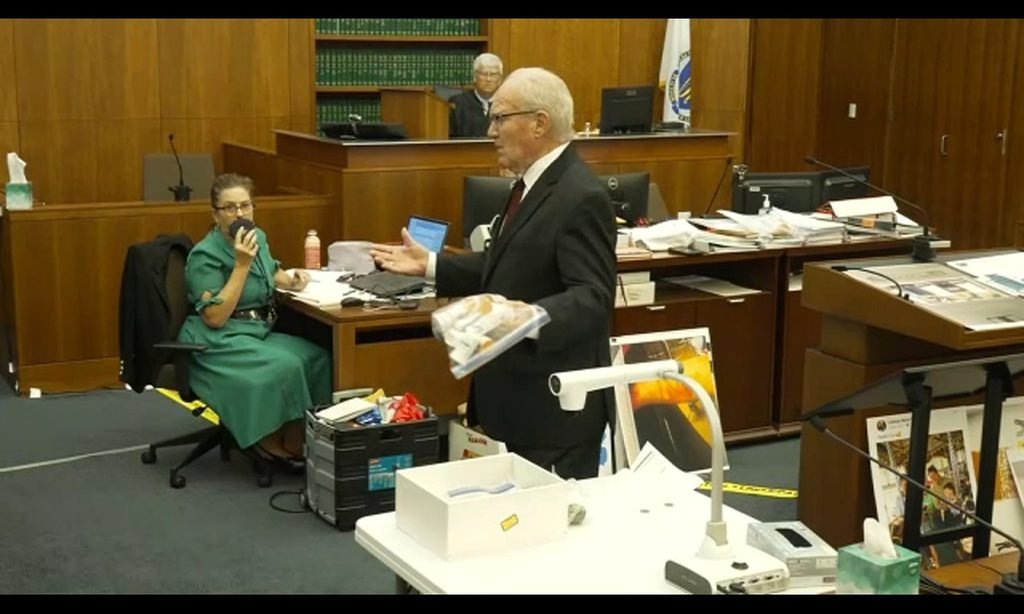
In closing arguments, defense attorney Kevin Reddington told jurors that Clancy repeatedly sought help from the medical system but was overmedicated and misdiagnosed. He showed jurors a photo of the Clancy family together next to a photo of an injured Lindsay Clancy in a hospital bed following her suicide attempt.
“This young lady did nothing wrong in her life. She was a nurse, a daughter, a wife, and a darn good mother,” Reddington said.
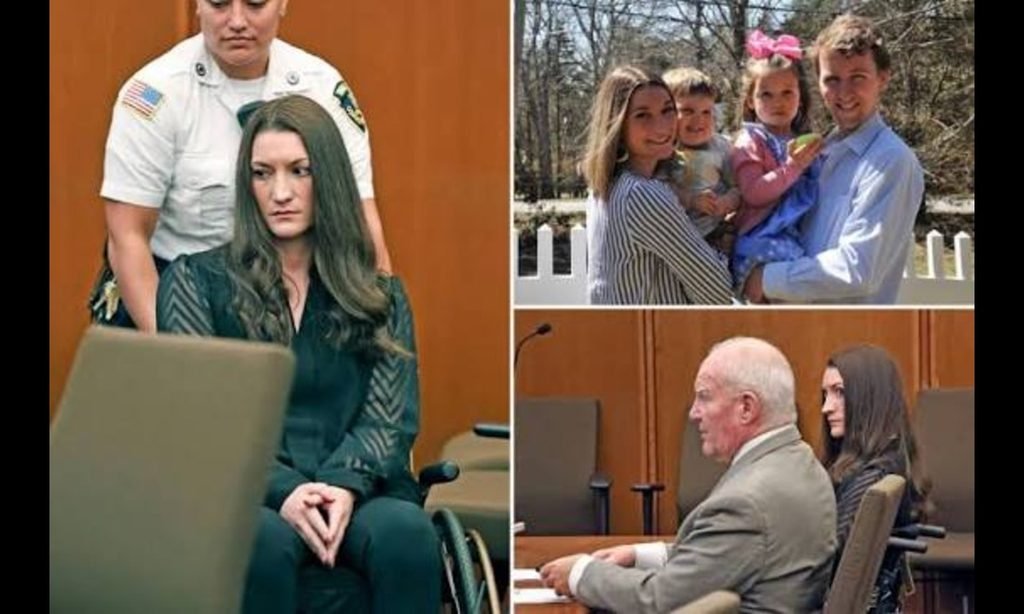
Prosecutor Jennifer Sprague countered by emphasizing Clancy’s medical background, arguing that as a former labor and delivery nurse, she understood the importance of following medication instructions and communicating accurately with her providers. Sprague argued Clancy “wanted to get better on her own terms” and moved between different doctors in a way that undercut the defense’s claims.
Presiding Judge William Sullivan gave jurors additional legal instructions before deliberations began, telling them, “Our system of justice is counting on you to render a fair decision based on the evidence and not on biases.”
What the Jury Must Decide
Jurors in the Lindsay Clancy trial have five possible verdicts to choose from, and they must reach a decision separately for each of the three children:
- Guilty of first-degree murder
- Guilty of second-degree murder
- Guilty of manslaughter
- Not guilty
- Not guilty by reason of lack of criminal responsibility
If Clancy is convicted of first-degree murder, Massachusetts law requires a mandatory sentence of life in prison without the possibility of parole. A conviction on a lesser charge could still carry significant prison time, but may leave open the possibility of parole at some point, according to legal analysts.
If jurors find Clancy not guilty by reason of lack of criminal responsibility, she would be committed to a state mental health facility rather than prison. That outcome would require the jury to conclude that Clancy suffered from a severe mental illness at the time of the killings and that she was unable to understand her actions were wrong.
Legal experts say the core question for jurors is not whether Clancy killed her children, which is not seriously disputed, but whether she understood right from wrong and could control her actions at the time.
What Experts Say
Forensic psychiatrists for both sides testified with differing conclusions about Clancy’s mental state at the time of the killings. Witnesses for the defense argued Clancy was in the grip of a psychotic episode. Prosecution experts, including an FBI forensic psychiatrist who testified near the end of the trial, argued her actions reflected planning rather than a break from reality.
One defense witness testified that Clancy described hearing a voice telling her to kill her children so that she could then kill herself, and recalled saying “go to God” as she strangled them. That same witness said Clancy’s psychosis appeared to be a continuation of months of depression during which she was still able to control her impulses and distinguish right from wrong, testimony that both sides have pointed to in support of their arguments.
Why the Lindsay Clancy Trial Matters
The Lindsay Clancy trial has become a closely watched case nationally because it touches on postpartum psychosis, a rare but serious mental health condition that is not widely understood by the public. Advocates say the case has already sparked broader conversations about maternal mental health screening and how the medical system responds to new mothers in crisis.
The case has also drawn scrutiny for how it has played out in public, including on social media, where some users have promoted unfounded conspiracy theories about who was responsible for the children’s deaths. Mental health advocates have raised concerns that intense public interest in the trial’s more graphic details could overshadow its broader message about postpartum psychosis and access to mental health care.
What Happens Next
As of Friday, the jury remains in deliberations, and no verdict has been reached. Massachusetts juries are not required to reach a decision within a set time frame, and deliberations in cases involving multiple serious charges and an insanity defense can take several days.
Once the jury returns a verdict, sentencing procedures will depend on the outcome. A first-degree murder conviction would result in an automatic sentence of life without parole. A finding of not guilty by reason of lack of criminal responsibility would send Clancy to a secure mental health facility rather than prison, where her case would be subject to ongoing psychiatric review.
Patrick Clancy, the children’s father, has since filed for divorce and remarried. Both he and Lindsay Clancy have also filed separate civil lawsuits against several of her former healthcare providers, alleging malpractice and negligence connected to her mental health treatment before the killings.
What is Lindsay Clancy accused of?
Lindsay Clancy is charged with three counts of first-degree murder in the January 2023 deaths of her three children in Duxbury, Massachusetts. She has pleaded not guilty, and her defense argues she was suffering from postpartum psychosis at the time and should not be held criminally responsible.
When will the Lindsay Clancy trial verdict come out?
As of Friday, the jury remains in deliberations, and no verdict has been announced. Deliberations began Thursday after 21 days of testimony. There is no fixed timeline for how long a Massachusetts jury must deliberate in a case like this.
What happens if Lindsay Clancy is found not guilty by reason of insanity?
If jurors find Clancy not guilty by reason of lack of criminal responsibility, she would be committed to a state mental health facility rather than sent to prison. That outcome requires jurors to conclude she had a severe mental illness and could not understand her actions were wrong at the time.
What is postpartum psychois?
Postpartum psychosis is a rare but serious mental health condition that can occur after childbirth, involving symptoms such as hallucinations, delusions and extreme confusion. It is distinct from the more common postpartum depression and is considered a medical emergency. It has been central to the defense’s argument in the Lindsay Clancy trial.
Did Lindsay Clancy survive her suicide attempt?
Yes. Prosecutors say Clancy attempted to take her own life shortly after the killings by jumping from a second-story window. She survived but was left paralyzed from the waist down and has been receiving psychiatric and medical care at a state hospital since her arrest.
What sentence does Lindsay Clancy face if convicted?
If convicted of first-degree murder, Massachusetts law requires a mandatory sentence of life in prison without the possibility of parole. A conviction on a lesser charge, such as second-degree murder or manslaughter, could carry a lengthy prison term with the possibility of parole.
Where did the Lindsay Clancy trial take place?
The trial has been held at Plymouth Superior Court in Plymouth, Massachusetts. Jury selection began July 20, 2026, with testimony starting a week later and closing arguments delivered on Aug. 26 and 27, 2026.
One Reply to “Lindsay Clancy Trial: 7 Key Facts as Jury Begins Critical Deliberations”