
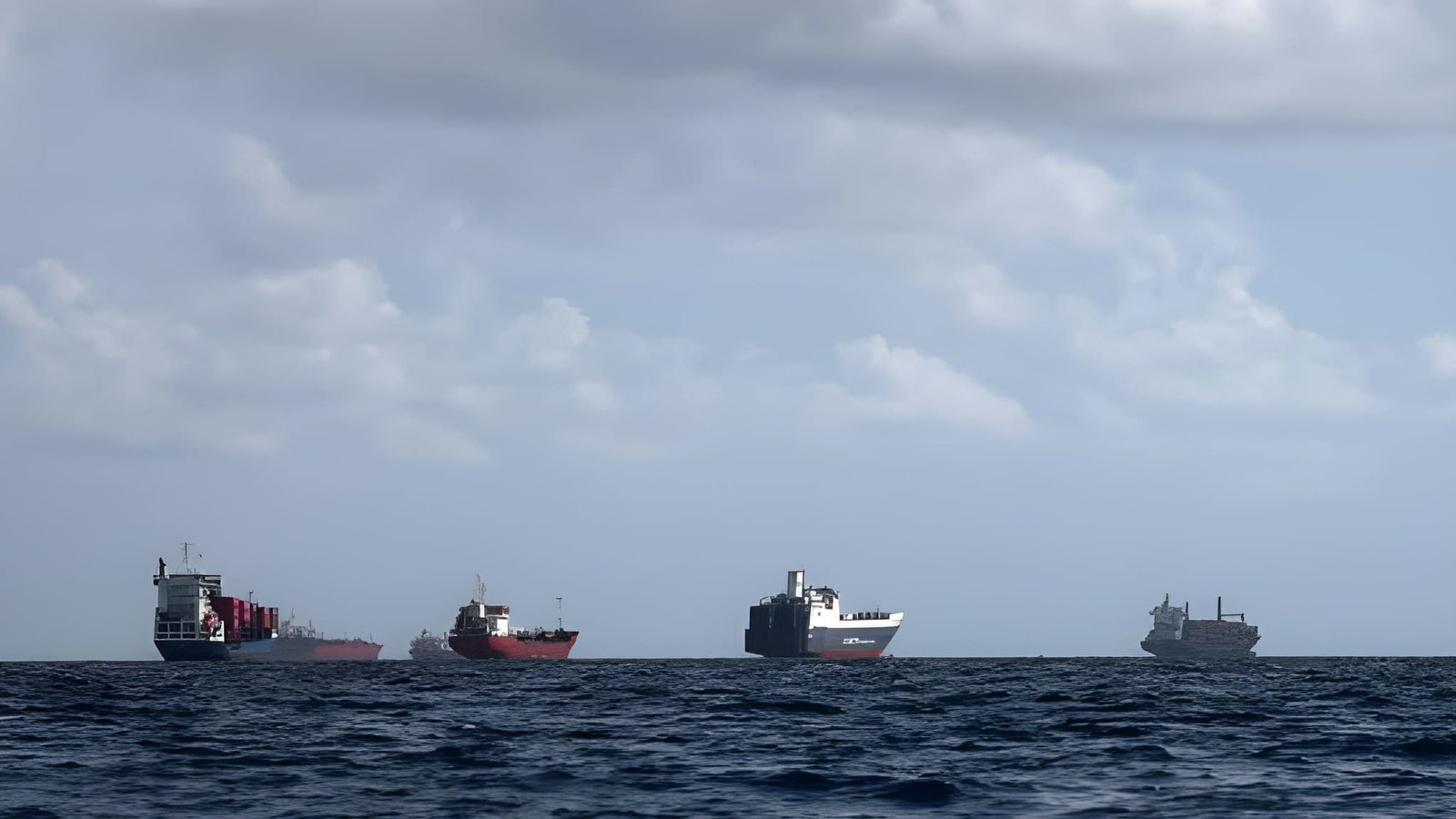
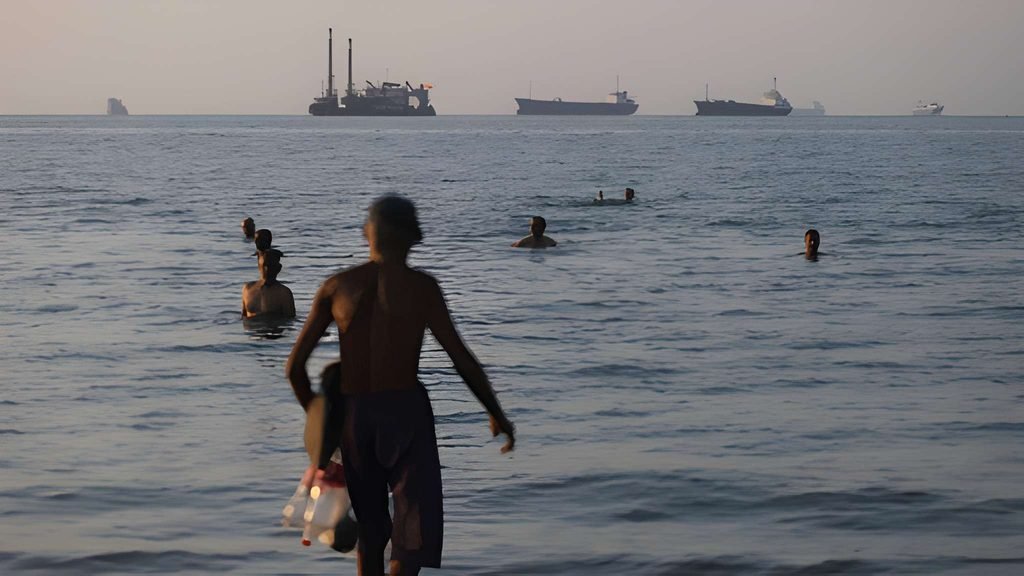
A new report of an attack on a vessel in the Strait of Hormuz emerged early Sunday, adding fresh worry to energy markets already on edge after Saudi Arabia shut down a major oil pipeline this week. The British navy-affiliated Maritime Trade Operations agency, known as UKMTO, said it received a report of a projectile hitting a ship as it moved through the strait, though the extent of the damage and the condition of the crew were not immediately known.
The reported strike comes one day after Saudi Arabia temporarily closed its East-West pipeline as a precaution, following a drone attack that both Baghdad and Riyadh said originated in Iraq, where Iran-backed militias operate. Together, the two incidents point to a widening Middle East war that is already pushing oil prices higher and could raise costs further for American consumers if the disruptions continue.
What Happened Sunday
UKMTO said it had received a report of a vessel being hit by a projectile while transiting the Strait of Hormuz. As of early Sunday, the agency said it did not yet know how badly the ship was damaged or whether anyone aboard had been hurt. The strait, which separates Iran from Oman and the United Arab Emirates, has been the site of dozens of similar attacks since fighting between the United States, Israel and Iran began in late February.
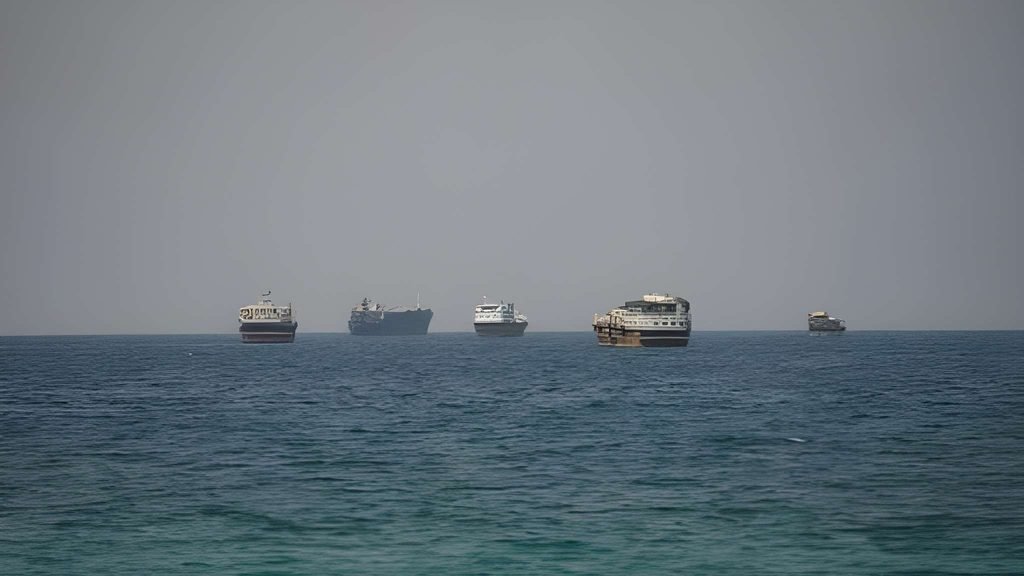
The report follows a difficult week for energy infrastructure across the region. On Thursday, drones struck Saudi Arabia’s East-West pipeline, also known as Petroline, in an area south of Medina. Satellite images showed black smoke rising from the site, and the Saudi Foreign Ministry said the attack caused some injuries and damage that officials were still assessing, though it did not detail the impact on the kingdom’s oil exports. No group has claimed responsibility for the pipeline strike.
Saudi Arabia’s energy ministry shut the pipeline down Friday as a precaution. Hours later, four Yemeni government sources told Reuters that Iran-backed Houthi rebels had seized Perim Island, which sits in the Bab el-Mandeb Strait at the southern entrance to the Red Sea, giving the group a stronger position to threaten shipping along the route Saudi Arabia has relied on to move oil around the blocked Strait of Hormuz.
Why the East-West Pipeline Matters So Much Right Now
The 1,200-kilometer, or roughly 745-mile, East-West pipeline has served as the main way for Middle East oil to reach world markets over the past six months, while fighting has largely shut down the Strait of Hormuz. The pipeline has been carrying 4 million to 5 million barrels of oil a day, equal to about 4% to 5% of global supply, and it had spared Saudi Arabia much of the disruption that has hit other Gulf oil and gas exporters during the war.
Losing that route, even temporarily, removes one of the few remaining ways to move large volumes of Gulf oil without sending tankers through a war zone. That is a key reason markets reacted quickly to the pipeline shutdown, and why a new attack report out of the Strait of Hormuz on the same weekend added to the sense that the conflict is spreading rather than easing.
How Bad Has the Disruption in the Strait of Hormuz Been?
Before the war began on February 28, roughly one-fifth of the world’s seaborne oil trade, and about 20% of global liquefied natural gas shipments, passed through the Strait of Hormuz, according to U.S. government analysis. Daily vessel crossings have at times fallen into the single digits since the war started, down from more than 130 a day beforehand, as Iran’s Revolutionary Guard Corps has laid mines, boarded ships and declared vessels linked to the United States, Israel or their allies to be legitimate targets.
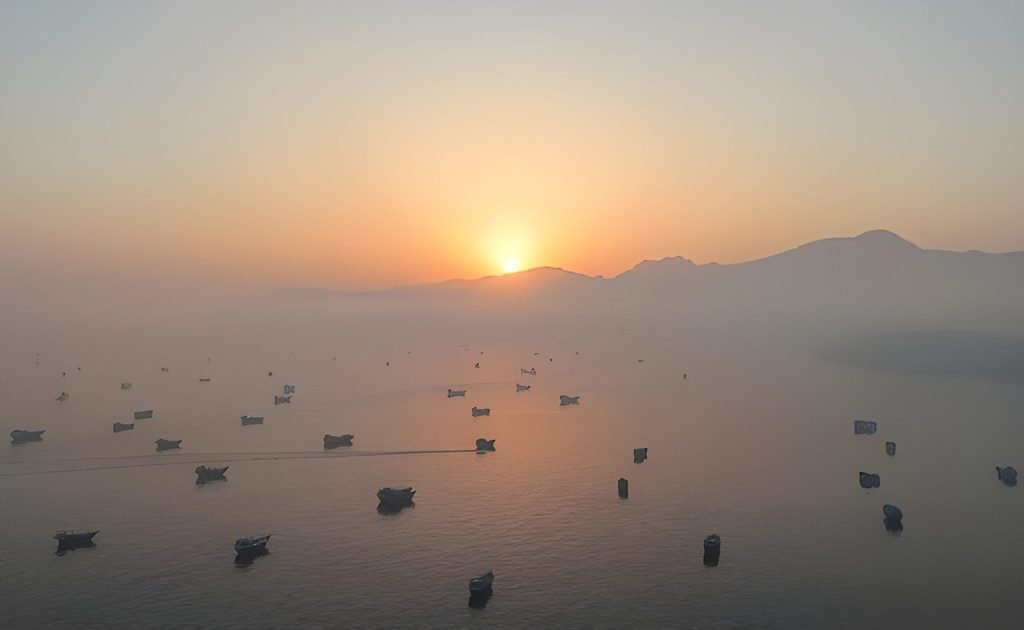
The conflict has caused significant loss of life at sea. According to tracking of the crisis, at least 20 seafarers and one port worker have been killed and at least 35 people injured in attacks on commercial shipping since the war began, with dozens of separate incidents recorded by UKMTO. Iran has periodically said the strait would remain restricted until the United States meets commitments it says Washington made under a June memorandum of understanding, while the U.S. has continued to press for unrestricted passage and, at times, pursued a naval blockade of Iranian ports.
Oil Prices Keep Climbing
Oil prices have surged repeatedly over the course of the war, and this week was no exception. Brent crude, the international benchmark, traded above $100 a barrel for much of the week, rising as much as 9.7% over a five-day stretch as the pipeline attack and the Houthi advance on Perim Island unfolded. Brent briefly touched roughly $104 a barrel on Friday before easing slightly after Iranian state media said Tehran planned to meet Gulf Arab states for talks in Oman.
Analysts at Goldman Sachs have warned that Brent could rise above $120 a barrel next year if Gulf oil output remains millions of barrels a day below pre-war levels, citing intensified shipping attacks in both the Strait of Hormuz and the Red Sea as the most likely driver of that scenario. Other forecasters see prices easing over time: the U.S. Energy Information Administration’s most recent outlook projects Brent averaging around $90 a barrel in the second half of 2026 as Middle East exports gradually recover, though that forecast was published before this week’s pipeline attack and Houthi advance.
What This Means for American Drivers and Business
Higher oil prices tend to show up quickly at the gas pump and in the cost of diesel, which powers most of the trucks that move goods across the United States. Diesel prices have already climbed to record levels in recent days, and gasoline prices have risen as well. Since the war began, rising fuel costs have been a recurring drag on American households, arriving at the same time as broader inflation concerns.
The political stakes are also real. Public opinion polling has shown Americans reacting negatively to the broader Middle East conflict, and rising prices at the pump have become a visible, ongoing reminder of the war’s economic cost heading into the November congressional midterm elections. Continued attacks on shipping and energy infrastructure raise the chance that fuel costs stay elevated, or climb further, in the weeks ahead.
What Official Are Saying
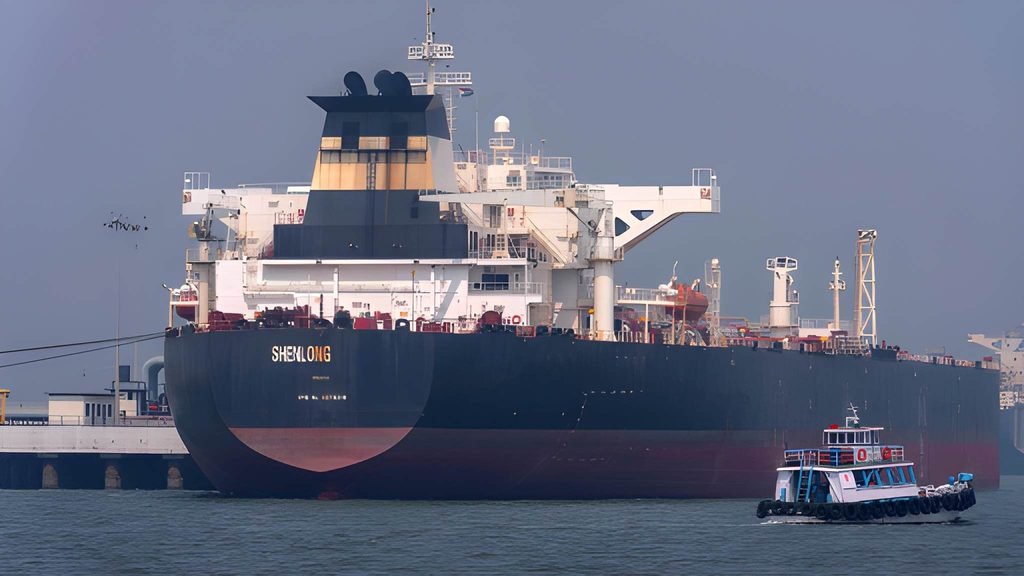
Saudi Arabia’s energy ministry has described the pipeline shutdown as a precautionary step rather than confirmation of long-term damage, though it has not said when the line might reopen. Saudi Arabia has also asked Washington for military help in countering the Houthis, according to sources familiar with the request, but the United States has told Riyadh it is not willing to take direct military action against the group at this time.
Iraq’s government dismissed a military commander Saturday in response to the drone strikes, which Saudi and Iraqi officials both said were launched from Iraqi territory linked to Iran-backed militias. No group has publicly claimed responsibility for either the pipeline attack or Sunday’s reported strike on a vessel in the Strait of Hormuz.
President Trump has repeatedly said in recent months that the Strait of Hormuz should remain open to shipping and has at times declared that mines in the waterway have been cleared, even as attacks have continued. Iran’s government has argued it has the right to control passage through waters off its own coast and has said in the past that management of the strait “will never return to the way it was before the war,” according to comments from a senior Iranian parliamentary official earlier this year.
Background: A War Now Past Six Months Old
The current crisis began on February 28, when the United States and Israel launched a military campaign against Iran’s nuclear program. Iran responded by restricting traffic through the Strait of Hormuz, and the U.S. countered in April with a naval blockade of Iranian ports that lasted through mid-June. Washington and Tehran signed a memorandum of understanding on June 17 aimed at reopening the strait, but that arrangement later expired without a lasting resolution, and fighting has continued in bursts ever since, including tit-for-tat strikes on tankers and warships as recently as this month.
Throughout the conflict, Iran has established what it calls a Persian Gulf Strait Authority and has claimed ships need its permission to pass through the waterway, a position the U.S. and its allies reject given that the strait includes both Iranian and Omani territorial waters. The Houthis’ capture of Perim Island this week adds a second major flashpoint on the other side of the Arabian Peninsula, raising the possibility that Saudi Arabia’s Red Sea export routes could face the kind of disruption that has plagued the Strait of Hormuz for months.
What Happens Next
Diplomacy has not entirely stalled despite the latest escalation. Top diplomats from the six-member Gulf Cooperation Council were expected to meet their Iranian counterpart in Oman as soon as Monday to discuss a possible temporary arrangement for managing shipping through the Strait of Hormuz. It remains unclear whether those talks will also address the newer threat to Red Sea shipping posed by the Houthi takeover of Perim Island.
Saudi Arabia has not given a timeline for reopening the East-West pipeline, and investigators have not identified who was behind either the pipeline attack or Sunday’s reported strike on a vessel in the strait. Energy analysts say further attacks, a breakdown in the Oman talks, or a prolonged pipeline closure could all push oil prices higher still, while a diplomatic breakthrough or a swift Saudi repair effort could ease some of the pressure that has built up over the past week.
What happened in the latest Strait of Hormuz attack?
UKMTO said it received a report early Sunday of a projectile hitting a vessel as it moved through the Strait of Hormuz. The agency said the extent of the damage and the condition of the crew were not immediately known, and no group has claimed responsibility.
Why does the Strait of Hormuz attack matter for oil prices?
The strait normally carries about one-fifth of the world’s seaborne oil trade. Attacks there, combined with this week’s shutdown of Saudi Arabia’s East-West pipeline, remove key routes for moving Middle East oil to global markets, which is a major reason Brent crude has traded above $100 a barrel.
Why did Saudi Arabia shut down its oil pipelines?
Saudi Arabia’s energy ministry closed the East-West pipeline as a precaution after drones struck it on September 10 near Medina. The pipeline had been carrying 4 million to 5 million barrels of oil a day, making it one of the kingdom’s main routes around the blocked Strait of Hormuz.
How will this affect gas prices for Americans?
Diesel and gasoline prices have already risen in recent days as oil prices climbed. Continued disruption in the Strait of Hormuz or a prolonged Saudi pipeline closure could keep pushing fuel costs higher for U.S. drivers and businesses that rely on trucking.
What is happening with the Houthis in the Red Sea?
Iran-backed Houthi rebels captured Perim Island in the Bab el-Mandeb Strait this week, giving them a stronger position to threaten shipping at the southern entrance to the Red Sea, the same route Saudi Arabia has used to work around problems in the Strait of Hormuz.
Is there any diplomacy underway to ease the crisis?
Yes. Gulf Cooperation Council diplomats were expected to meet their Iranian counterpart in Oman as soon as Monday to discuss a possible temporary arrangement for shipping through the Strait of Hormuz, though it is unclear whether the talks will also address the Houthi advance in the Red Sea.
How long has the Strait of Hormuz crisis been going on?
The crisis began February 28, when the United States and Israel launched strikes against Iran’s nuclear program, and Iran responded by restricting passage through the strait. The conflict is now more than six months old and has included a U.S. naval blockade of Iranian ports, a since-expired memorandum of understanding, and dozens of attacks on commercial vessels.