
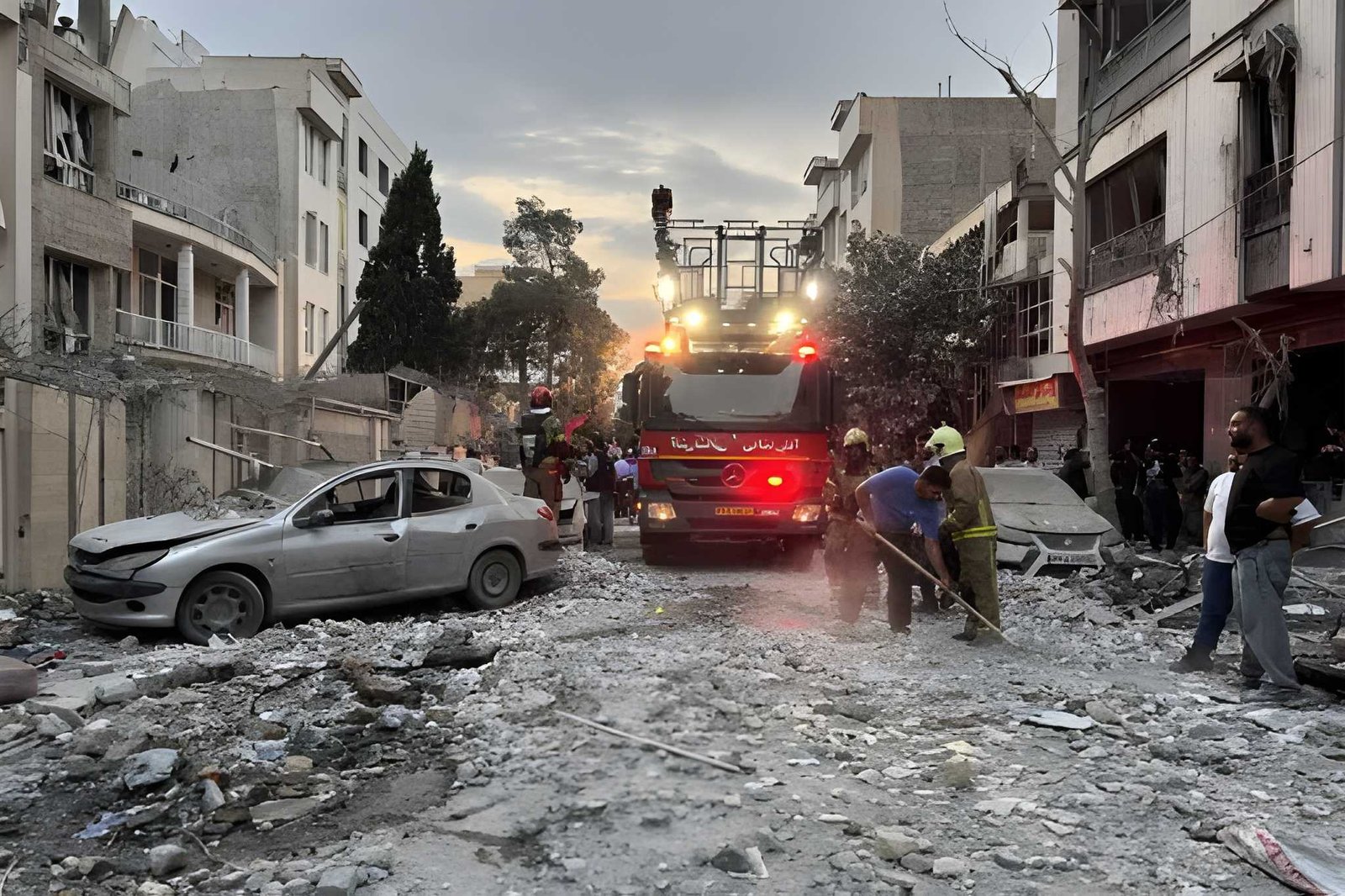
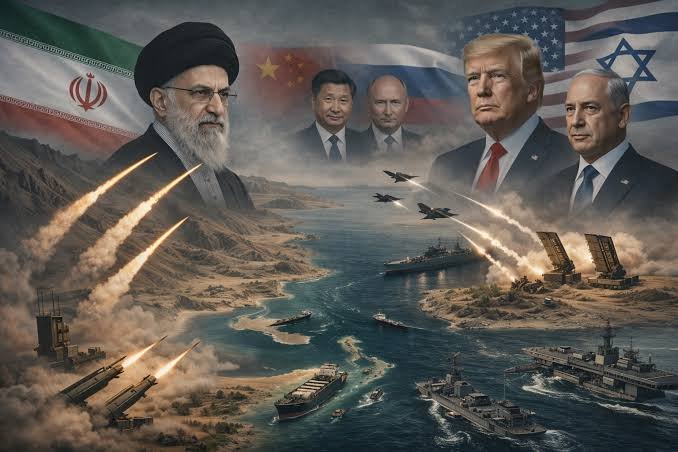
US Iran War:- The US Iran war intensified this week after American forces carried out new strikes on Iranian military targets, prompting Iran to fire missiles and drones at three U.S.-allied countries in the region. President Trump said Wednesday that the United States is ready to strike Iran again “anytime we want.”
The renewed fighting comes after a period of on-and-off hostilities between the two countries. It has also reignited a disputed and troubling claim: Iranian officials say a U.S. strike hit a wedding celebration in the country’s south, killing several people and wounding dozens more. American military officials say they are looking into the reports and maintain that U.S. forces do not target civilians.
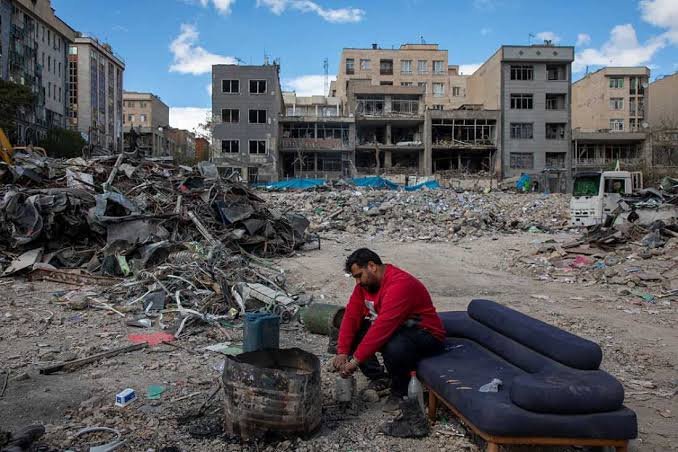
Here’s a clear breakdown of what’s confirmed, what’s disputed, and why the latest escalation in the US Iran war matters for the region and for global energy markets.
What Happened This Week?
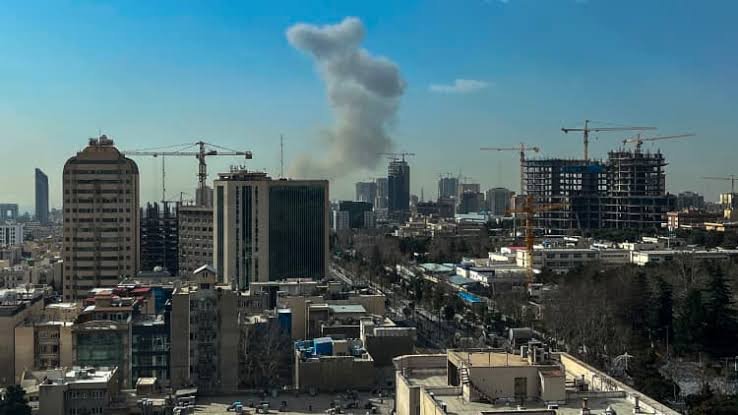
Fighting between the U.S. and Iran flared back up over the weekend after American forces struck what a military spokesperson described as Iranian Revolutionary Guard personnel preparing to place more sea mines in the Strait of Hormuz, a critical shipping route for global oil. That strike set off a fast-moving exchange of attacks across the region.
On Tuesday, the U.S. military’s Central Command, known as CENTCOM, said it had completed another round of strikes on Iranian targets, including air defense sites, radar systems, communications facilities and equipment used for laying mines. President Trump said the strikes were a response to an earlier Iranian attack in Jordan, calling the American operation “a very heavy attack.”
Iran responded overnight by launching missiles and drones at Jordan, Kuwait and the United Arab Emirates, all of which host U.S. forces or are considered close American allies in the region. Jordan’s military said it intercepted 10 of 13 incoming ballistic missiles, with the rest landing in remote areas and causing no casualties. Kuwait’s military said its air defenses intercepted incoming drones and missiles, though one strike sparked a residential fire in Kuwait City that was later brought under control without injuries. Bahrain confirmed it also intercepted Iranian drones aimed at a military base.
The Disputed Wedding Strike in US-Iran War
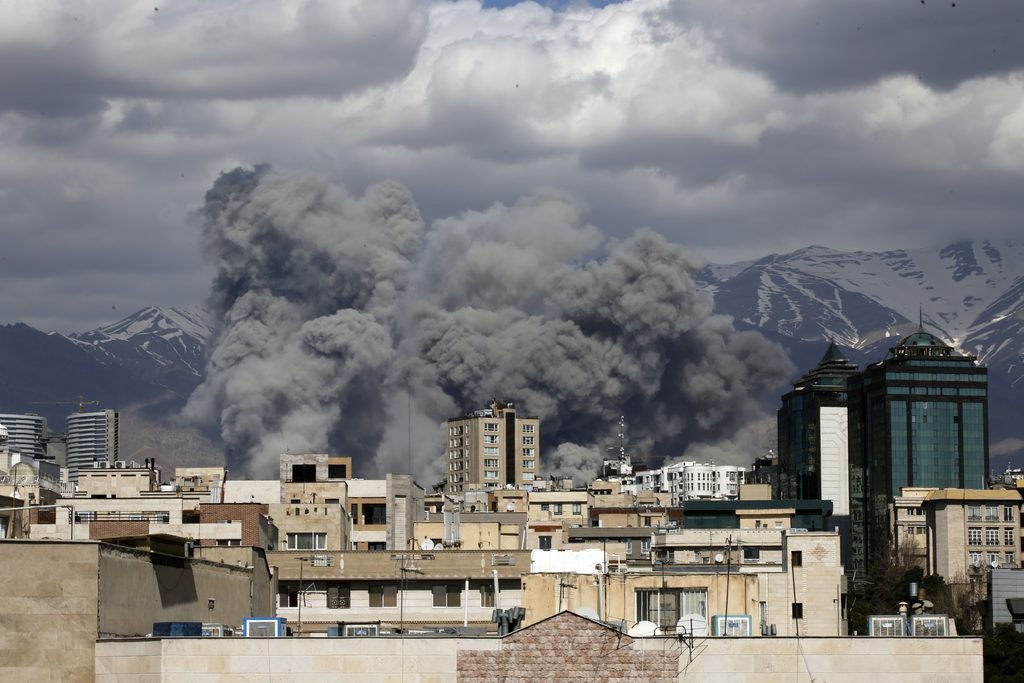
One of the most serious and unresolved claims from this week’s fighting involves a wedding celebration in southern Iran. Iranian state television and the country’s foreign ministry say a U.S. strike hit a private home in the Sirik district of Hormozgan province on Tuesday evening while a wedding party was underway.
Casualty figures differ depending on the source. Iran’s foreign ministry initially said the strike killed or wounded more than 50 people. Iranian state broadcaster IRIB later reported that at least four people were killed and put the total number of dead and wounded at just under 70, with six people described as being in critical condition. None of these figures have been independently confirmed by outside observers.
Video shared by the Iranian Red Crescent showed a damaged home with a hole in the roof and debris scattered across nearby alleyways. Iranian state media also aired footage described as showing wounded children in hospital beds, along with interviews with people who said they were injured in the blast. One man told local media that debris struck him and knocked him unconscious as he approached the wedding. The bride’s father, identified as Ali Mallahi, called the incident “a very saddening incident” in a video carried by state media.
U.S. Central Command has not confirmed or denied that the strike happened. Spokesman Capt. Tim Hawkins said the military was aware of the reports, which he said originated from Iranian state media, and that it was looking into them. He added that “the U.S. military never targets civilians, unlike the IRGC,” referring to Iran’s Revolutionary Guard.
This is not the first time civilian casualties have been alleged during the conflict. Earlier in the war, a strike hit a school in the city of Minab, killing dozens of children. A person briefed on the U.S. military’s internal assessment told CBS News in March that American forces were likely responsible for that strike but did not intend to hit the school, possibly due to outdated intelligence that mistakenly identified the area as still part of an Iranian military site.
Why the Wedding Strike Claim Matters
US Iran War Strike :Allegations of civilian casualties carry serious weight in any armed conflict, both for humanitarian reasons and because they can shape public opinion and diplomatic pressure. Iran’s foreign ministry spokesman, Esmaeil Baqaei, described the reported strike as part of a broader pattern he called a “chain of atrocities,” and warned that normalizing such incidents carries its own danger.
For American officials, unresolved civilian casualty claims complicate the broader military and diplomatic picture, particularly as the U.S. continues to argue its strikes are limited to military targets. Independent verification of what happened in Sirik has not yet been possible, which is why officials on both sides continue to dispute basic facts of the incident.
What Trump Is Saying about US Iran War
President Trump has taken an increasingly forceful public tone on the conflict in recent days. Speaking to reporters in the Oval Office on Wednesday, he said American forces “hit them very hard last night” and confirmed the U.S. was prepared to strike again “anytime we want.”
In a social media post Tuesday, Trump also called on the Iranian public to “rise up and fight,” language that echoed comments he made when the war first began. He has shifted his public position on regime change several times during the conflict, at one point saying he “never cared about regime change,” while at other times encouraging Iranians to challenge their government.
The president also suggested this week that the U.S. should rename the Strait of Hormuz after himself, posting on his Truth Social platform that the waterway could be called “Trump Strait” now that it is under American control. Last month, Trump said he intended to declare the strategic waterway U.S. territory.
Impact on Oil Prices and the Economy
The renewed fighting has pushed oil prices higher this week. International benchmark Brent crude was trading around $95 a barrel, while U.S. crude, West Texas Intermediate, traded above $90 a barrel. Both benchmarks have climbed roughly 40% compared to a year ago, largely because of disruptions to tanker traffic through the Strait of Hormuz since the war began.
The rising cost of oil has translated into higher prices at the pump for American drivers. The national average price for a gallon of regular gasoline stood at $4.12 as of Wednesday, according to AAA, nearly a dollar more than the same time last year. Trump told reporters Wednesday that he had discussed price gouging with oil industry executives during a meeting focused on expanding U.S. refining capacity, saying he wants retail gas prices to come down.
Blockade and Shipping Disruptions
US Iran War: The U.S. Navy has maintained a blockade on Iranian ports since Iran closed the Strait of Hormuz earlier in the conflict. CENTCOM said this week it has redirected 86 commercial vessels away from the blockade zone, disabled three vessels and boarded two others to enforce compliance.
Iran, in turn, has continued targeting shipping traffic. Saudi Arabia’s national shipping company, Bahri, confirmed that two Filipino sailors were killed in an attack on one of its oil tankers in the Strait of Hormuz earlier this week. Saudi Arabia’s foreign ministry condemned the attack and called on all sides to de-escalate the conflict.
Iran has also faced fuel shortages inside the country because of the ongoing blockade. State television reported this week that authorities arrested 11 foreign nationals suspected of trying to smuggle fuel out of the country using a tugboat carrying nearly 100,000 gallons of diesel.
Background: How the US Iran War Began
The current conflict began in late February, when hostilities broke out between the two countries following months of rising tension. Trump initially predicted the war would last only a few weeks, but fighting has continued on and off for months, including a ceasefire that began in early April.
The Trump administration formally declared an end to major combat operations, known internally as “Operation Epic Fury,” in early May. Then-Secretary of State Marco Rubio told reporters at the time that the operation was over and that the U.S. was moving into a new phase. However, newly obtained internal Air Force communications show the Pentagon was still instructing personnel as recently as last month to stop referring to ongoing operations by that name, three months after the administration said it had ended.
Since May, the U.S. and Iran have continued to exchange fire periodically, with the current escalation representing one of the most intense rounds of fighting since the declared end of major operations.
What Happens Next?
For now, both countries appear to be continuing military operations rather than pursuing renewed diplomacy. Trump said this week that he does not believe an agreement with Iran’s current government “isn’t worth the paper it’s written on,” suggesting talks are unlikely in the near term.US Iran War
Questions remain about the wedding strike allegations, and it is not yet clear whether U.S. Central Command will issue a more detailed public assessment. Oil markets and shipping companies are also likely to continue monitoring the security situation in the Strait of Hormuz closely, given the direct impact on global energy prices.
What is happening in the US Iran War right now?
Fighting between the U.S. and Iran escalated this week after American strikes on Iranian military targets prompted Iran to fire missiles and drones at Jordan, Kuwait and the United Arab Emirates. President Trump said the U.S. is prepared to strike Iran again “anytime we want.”
Did the U.S strike a wedding party in Iran?
Iranian officials say a U.S. strike hit a wedding celebration in southern Iran’s Hormozgan province, with casualty estimates ranging from four to nearly 70 people killed or wounded, depending on the source. U.S. Central Command has not confirmed the strike and says it is looking into the reports, adding that American forces do not target civilians.
Why did oil prices go up because of the US Iran war?
Renewed fighting has disrupted shipping through the Strait of Hormuz, a key route for global oil transport. Brent crude oil is trading around $95 a barrel, about 40% higher than a year ago, driving up gas prices at U.S. pumps as well.
What countries were attacked by Iran this week?
Iran launched missiles and drones at Jordan, Kuwait and the United Arab Emirates. Jordan’s military intercepted most of the incoming missiles, Kuwait intercepted drones and missiles though one strike caused a residential fire, and Bahrain also reported intercepting Iranian drones.
Is the US Iran officially over?
No. Although the Trump administration declared an end to major combat operations, called “Operation Epic Fury,” in May, the U.S. and Iran have continued exchanging fire periodically since then, including the intense fighting seen this week.
What did President Trump say about renaming the Strait of Hormuz?
Trump suggested on social media that the U.S. should rename the Strait of Hormuz “Trump Strait” now that American forces control it. He previously said he intended to declare the waterway U.S. territory.
Is a ceasefire or peace deal expected soon?
There is no confirmed timeline for a ceasefire. Trump said this week he does not believe an agreement with Iran’s government would be worth signing, suggesting renewed diplomacy is unlikely in the immediate future.
One Reply to “US Iran War 2026: 7 Critical Developments as Fighting Escalates Again”