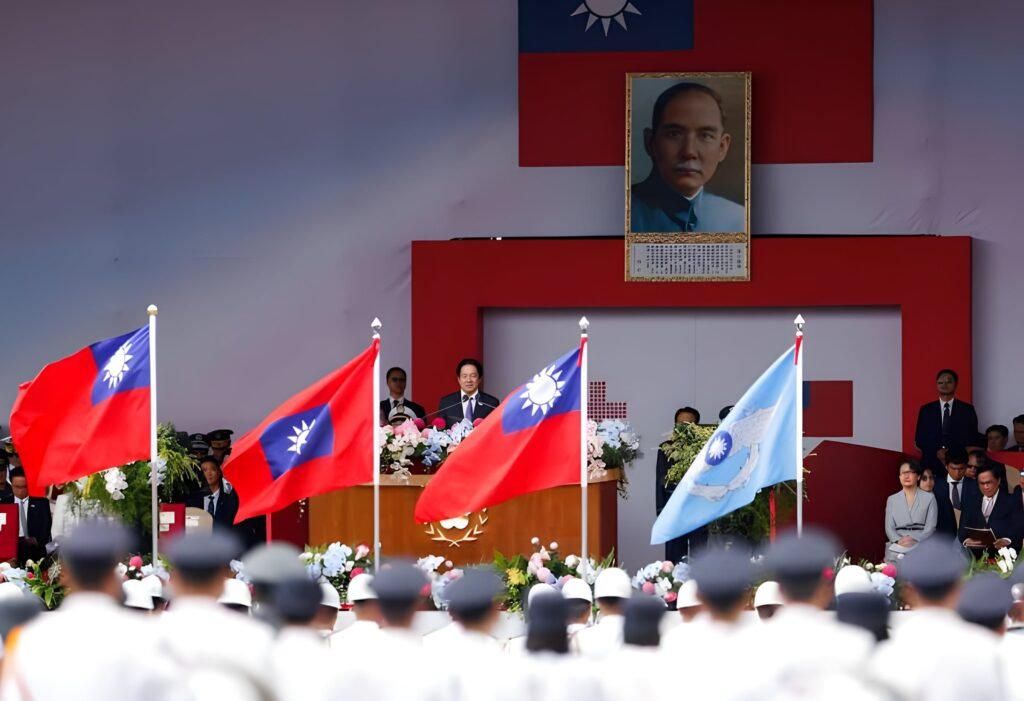
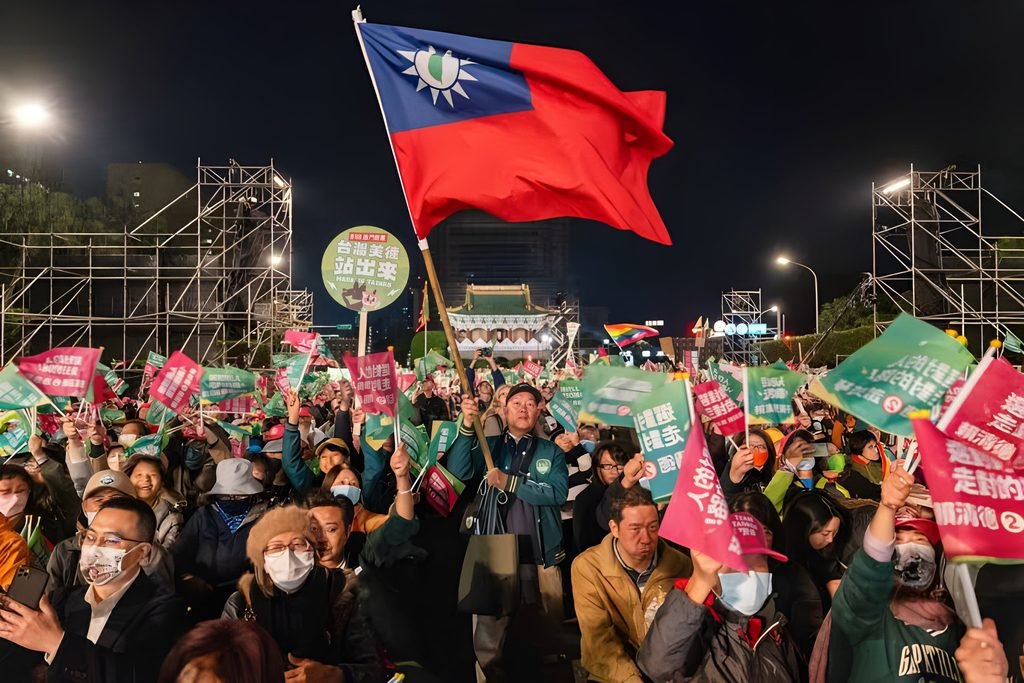
Voters across Taiwan cast ballots on Saturday in the island’s nine-in-one local elections, a contest that will measure support for the main political parties ahead of the 2028 presidential vote. The Taiwan local elections are also being watched closely in Beijing, even though China is not a central campaign issue and the results will not directly change Taiwan’s China policy.
About 11,000 positions are up for election in Taiwan’s 22 cities and counties, according to Al Jazeera and Taiwan’s Central News Agency. Polls opened at 8 a.m. and close at 4 p.m. local time, which is 8 a.m. GMT and 3 a.m. Eastern Time, with results expected in the early evening, Reuters reported.
The race that has drawn the most attention is for mayor of Taipei, the capital. There, the governing Democratic Progressive Party (DPP) is trying to take a seat that has long belonged to the opposition Kuomintang (KMT).
What Is on the Ballot
The elections are called “nine-in-one” because voters in each city and county choose from nine types of local offices. These include city mayors, county magistrates, city and county councilors, township mayors and councilors, and village chiefs. Voters cast ballots at schools, temples, and community centers.
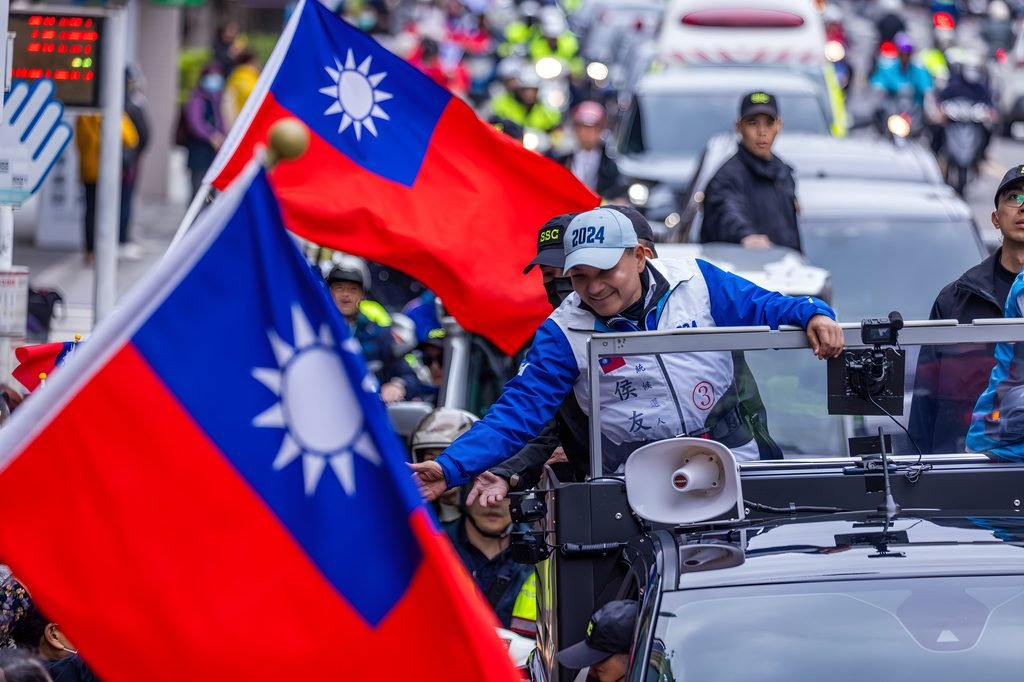
Campaigns have centered on local issues such as transportation, childcare, and the environment, according to Reuters and Al Jazeera. Both parties put most of their energy into Taipei and the other five biggest cities.
The last local elections were held four years ago. Then, the KMT won 14 cities and counties, the DPP won five, and other parties or independents won three, according to Reuters. The KMT generally favors closer ties with Beijing. The DPP rejects China’s claim of sovereignty over Taiwan.
The Taipei Mayor Race
Incumbent Taipei Mayor Chiang Wan-an of the KMT is running for a second term against DPP lawmaker Puma Shen. Chiang won the last election by a double-digit margin and is seen as a possible future presidential candidate, Al Jazeera reported. Shen is an academic who became a legislator and is an expert on China’s information warfare.
Taipei has been a KMT stronghold. Since direct mayoral elections began in 1994, only two mayors have come from outside the KMT, according to Asian News Network: the DPP’s Chen Shui-bian (1994 to 1998) and independent Ko Wen-je (2014 to 2022), who later founded the Taiwan People’s Party.
Shen entered the race as the underdog but has drawn large crowds at rallies, Al Jazeera said. Polls released in recent weeks have shown him ahead of Chiang, though margins have varied widely between pollsters. Taipei Times reported leads of about four to five points in some surveys and larger leads in others. Polls can be wrong, and the KMT chairwoman said different surveys had the two candidates alternating in the lead. Chiang told supporters the race was very close.
On the eve of the vote, Shen canceled a final rally over traffic concerns and held an online event instead. Al Jazeera said it drew more than 500,000 viewers on YouTube. President Lai Ching-te, of the DPP, urged voters to back the party’s candidates at a rally in neighboring New Taipei City.
Other Races to Watch
Two other contests are being closely watched. New Taipei, Taiwan’s most populous city, is now held by the KMT. Kaohsiung, in the south, is a traditional DPP stronghold where the KMT has campaigned hard, Reuters reported.
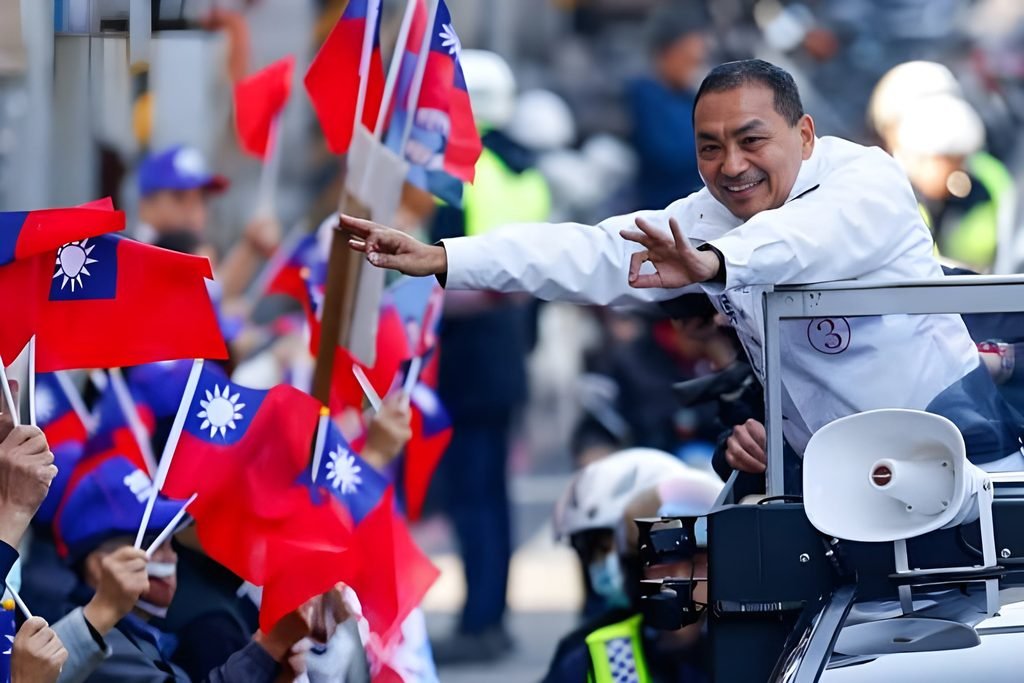
Local results do not always predict national outcomes. Asian News Network noted that Taichung and New Taipei elected KMT mayors in the last two local elections but voted overwhelmingly for President Lai in the 2024 presidential race. Analysts told Al Jazeera that local results are an unreliable guide to the next presidential election.
Why China Is Paying Attention
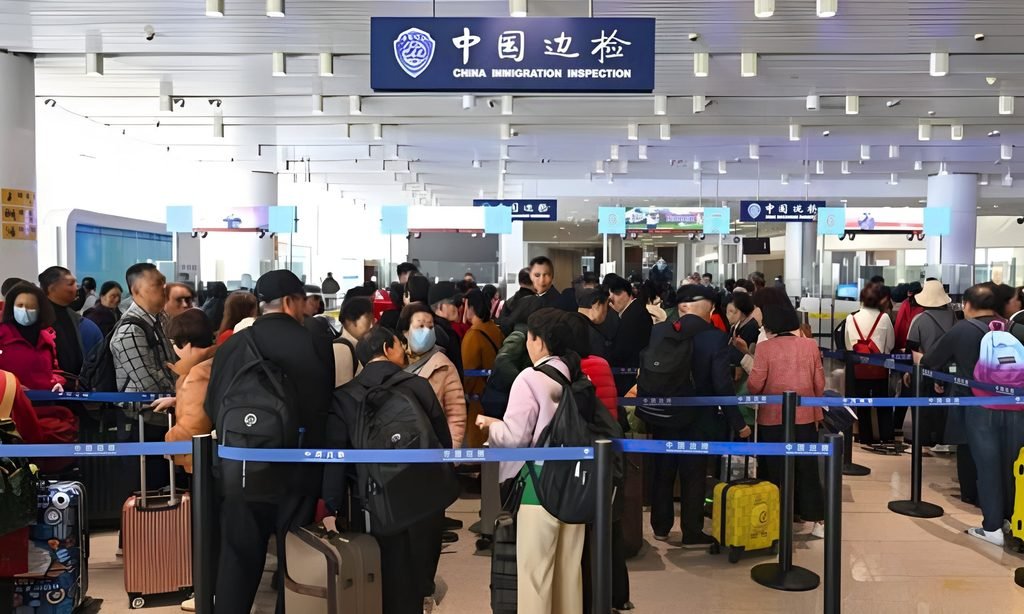
Beijing claims Taiwan as its own territory and has stepped up pressure on the island to accept its sovereignty claims. Taiwan’s government rejects those claims. Beijing refuses to talk to Lai, whom it labels a separatist. Lai says only Taiwan’s people can decide their future.
China has also singled out Shen. Chinese police say he is wanted for “separatism.” Shen told Reuters this month that Chinese police had never contacted him and that, whoever wins, the Taipei election would be a victory for democracy in the face of pressure from China. Austin Wang, a political scientist at the University of Nevada, told Al Jazeera that a Shen win in the KMT’s heartland could be seen in Beijing as “quite shameful.”
The military backdrop has been tense. Taiwan’s Defense Ministry said it detected 30 Chinese military aircraft around the island on Friday, and that 26 of them crossed the median line of the Taiwan Strait during a “joint combat readiness patrol” with warships. Al Jazeera, citing the ministry, reported about 33 Chinese warplane sorties between Friday and Saturday. China’s Defense Ministry did not respond to a Reuters request for comment. Earlier this week, it said reunification is an unstoppable trend and that Taiwan’s people could feel safer with a “heroic people’s army” to protect them.
Taiwan’s government also says Beijing is trying to influence the vote. The Mainland Affairs Council has warned of “cognitive warfare” and “transnational repression,” according to Al Jazeera. DPP officials have also urged voters to guard against Chinese influence efforts, including through organized crime groups or local collaborators, Taiwan’s Central News Agency reported. These are Taiwanese officials’ allegations, and the reports reviewed did not include independent confirmation of specific cases.
What the Result Could Mean
The results will not directly change Taiwan’s China policy, but they will shape the politics ahead of the 2028 presidential and parliamentary elections. Reuters said maneuvering for those races will begin in earnest after Saturday’s vote.
Lai will almost certainly seek a second term, the maximum allowed by the constitution. The KMT has not confirmed its candidate. Reuters said the likely frontrunner is Lu Shiow-yen, the mayor of Taichung. Al Jazeera listed Lu and parliamentary speaker Han Kuo-yu as likely candidates.
KMT chairwoman Cheng Li-wun, who met Chinese President Xi Jinping in April, is also seen as a possible challenger, Al Jazeera said. It added that she could face pressure to step down if the party does badly on Saturday.
Why It Matters to Americans
The United States does not formally recognize Taiwan as a country, but it is closely tied to the island by trade, security concerns, and technology. Taiwan is a major producer of advanced computer chips, which is one reason U.S. policymakers watch its political stability.
Taiwan also came up in last week’s meeting between President Donald Trump and Xi Jinping in China. According to Reuters coverage of that summit, Xi repeated a long-standing demand that the United States keep doing the right thing on Taiwan. Public accounts gave few details of any response.
This week’s vote is a local election, and a result in either direction would not change U.S. policy on its own. Still, how the two main parties perform can influence the direction of Taiwan’s national politics heading into 2028.
What Happens Next
Polls closed at 4 p.m. Taiwan time, with results due early in the evening. The reports reviewed for this article were published before results were available. Readers should check Taiwan’s Central Election Commission and major news outlets for official counts.
After the results, party leaders are likely to assess what they mean for the 2028 races. The KMT could begin debating its presidential ticket soon after the vote, Al Jazeera reported. China’s reaction will also be closely watched, though Beijing has not said how it will respond.
What are Taiwan’s local elections?
Taiwan’s local elections, known as the “nine-in-one” elections, choose about 11,000 local officials across 22 cities and counties. Posts include mayors, county magistrates, councilors, township leaders, and village chiefs. The vote was held on Saturday, November 28, 2026.
When do the Taiwan local elections results come out?
Polls closed at 4 p.m. Taiwan time, which is 8 a.m. GMT, with results expected in the early evening, according to Reuters and Al Jazeera. The reports reviewed were written before results were available, so check official sources for final counts.
Who is running for Taipei mayor?
Incumbent Chiang Wan-an of the Kuomintang (KMT) faces Puma Shen of the Democratic Progressive Party (DPP). Taipei has long been a KMT stronghold, but several polls have shown Shen competitive or ahead. Chiang has said the race is very close.
Why does China care about the Taiwan local elections?
China claims Taiwan as its territory and has criticized Shen, whom Chinese police say is wanted for “separatism.” The vote will not change Taiwan’s China policy directly, but it shows party strength ahead of the 2028 presidential election and could influence the next race.
Did China take military action around the election?
Taiwan’s Defense Ministry said it detected 30 Chinese military aircraft on Friday, 26 of which crossed the Taiwan Strait median line in a “joint combat readiness patrol.” Al Jazeera reported about 33 sorties between Friday and Saturday. China’s Defense Ministry did not comment to Reuters.
What happened in the last Taiwan local elections?
Four years ago, the KMT won 14 cities and counties, the DPP won five, and other parties or independents won three, according to Reuters. The KMT generally favors closer ties with Beijing, while the DPP rejects China’s sovereignty claims.
How do the Taiwan local elections affect the 2028 presidential race?
Local results are seen as a test of party strength but are not a reliable predictor of the presidential outcome, analysts told Al Jazeera. President Lai Ching-te is expected to seek a second term, and the KMT has not yet named a candidate.