The United States and China are both building weapons designed for combat in orbit, according to a new investigation that traces how satellites are shifting from passive tools into active fighting machines. The findings raise serious questions about what a future conflict between the two countries could look like – not just on Earth, but hundreds of miles above it.
This deep dive into US-China space warfare is based on a review of documents, space-tracking data and interviews with current and former military officials. It shows that both nations are developing “hunter” satellites capable of chasing, inspecting and even capturing other spacecraft, along with ground-based weapons that can jam or disable enemy systems from a distance.
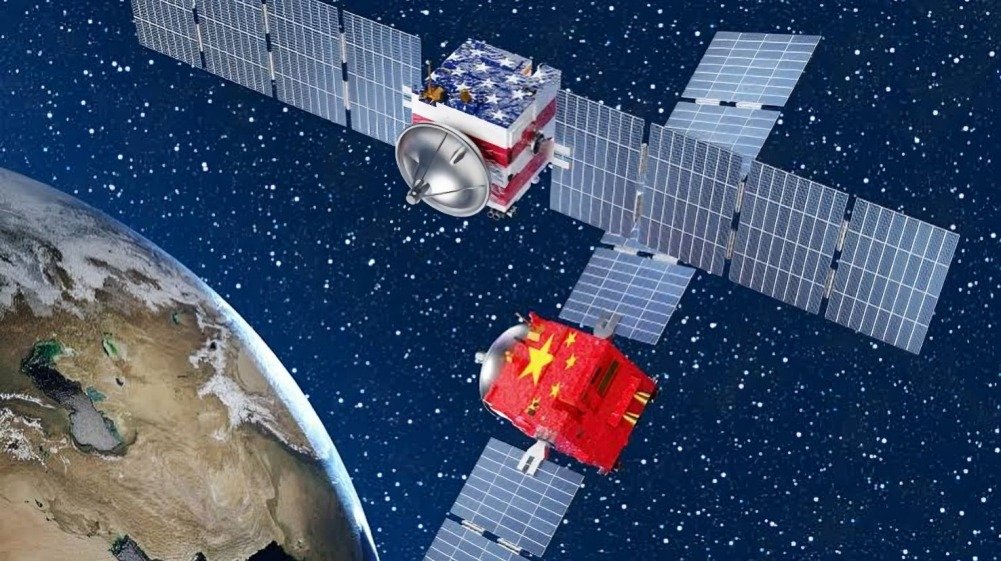
Here’s what everyday Americans need to know about the escalating competition in orbit, why officials say it matters, and what could happen next.
What Happened in US-China Space?
US-China Space:-In June 2026, a secretive Chinese spaceplane released a small satellite in a crowded orbital region several hundred miles above Earth. According to U.S. space-tracking firm LeoLabs, that satellite looped around another Chinese satellite before heading back toward the spaceplane. Little is publicly known about the satellite’s mission.
The event is one small piece of a much bigger picture. Chinese researchers linked to the country’s military are working on satellites built to pursue and capture other spacecraft, along with systems that could refuel them while in orbit. At the same time, the U.S. military operates its own secretive, uncrewed spaceplane that resembles a small shuttle.
The U.S. is not working alone. In a separate operation, U.S. and British forces carried out their first known joint military maneuver in space, directing satellites to fly near each other as a Chinese satellite passed close by. Officials described it as a signal to Beijing about allied cooperation in space.
Why US-China Space Warfare Matters to Americans
Satellites already play a massive role in daily American life and national defense. They support GPS navigation, weather forecasts, internet service, banking systems and military communications. For the armed forces specifically, satellites provide surveillance, missile warning and precision-guided targeting.
Everett Dolman, a former professor at the U.S. Air Force’s Air War College, said losing access to space capabilities would seriously damage America’s broader military strength on the ground. That’s because so many systems used by soldiers, ships and aircraft depend on data relayed from orbit.
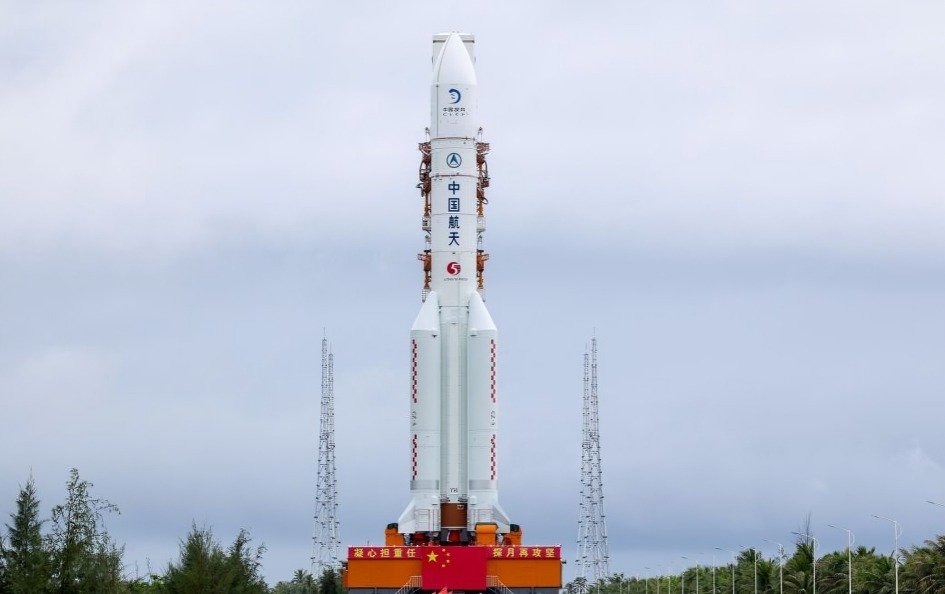
This is why the shift from satellites as passive tools toward satellites as active weapons platforms is such a big deal. A satellite that can jam signals, blind another satellite’s sensors with a laser, or physically grab hold of an adversary’s spacecraft changes the entire calculation for military planners. Conflicts in Ukraine and the Middle East have already shown how central satellite technology has become to modern warfare.
China’s Growing Space Capabilities
U.S. officials say China is moving quickly. General Chance Saltzman, the U.S. Space Force’s Chief of Space Operations, said in July that “the Chinese are rapidly developing capabilities,” including both ground- and space-based weapons meant to interfere with or destroy targets. He described the threat from China as substantial.
Chinese satellites have shown what U.S. officials call orbital “dogfighting,” where multiple satellites move together in a synchronized way while close to one another. Chinese spacecraft have also demonstrated the ability to grab a defunct satellite and shift it into a different orbit.
Last year, China likely carried out an on-orbit refueling attempt, according to a U.S. Space Force official. That would mark a significant technical step forward, since satellites are normally limited by the fuel they carry into space at launch. Being able to refuel a satellite could determine whether it stays a “hunter” or ends up becoming the “hunted.”
Patent-related documents reviewed as part of the investigation show that a maker of some of China’s most advanced military aircraft has acquired technology allowing satellites to calculate fuel-efficient paths while chasing another spacecraft. Separately, a notice from the National University of Defense Technology described a system capable of managing hundreds of satellites at once for both defensive and operational purposes. Researchers at another major Chinese university with close military ties are also reportedly working on pursuit satellites, including designs that use nets to capture targets.
China’s foreign ministry said it was not familiar with the specific details of the recent U.S.-British operation or the Chinese spaceplane and satellite activity. More broadly, the ministry has said Beijing opposes putting weapons in space and supports using space peacefully, while accusing Washington of fueling an arms race through programs like its missile defense system. State media has described the Chinese spaceplane and Shiyan 12-01 satellite as tools for peaceful research and space environment surveys.
What the U.S Is Doing in Response
U.S. Space Command head General Stephen Whiting has repeatedly stressed that adversaries are building capabilities designed to cut off U.S. access to key space-based systems early in any conflict. He argues the United States needs a more active approach to defending its satellites – one that includes being ready to threaten or strike hostile spacecraft if necessary, not just protect its own.
In April, Whiting told a conference that the U.S. must be ready to fight in space if deterrence efforts fail. He has also called for the country to develop orbital interceptors and other space-based weapons.
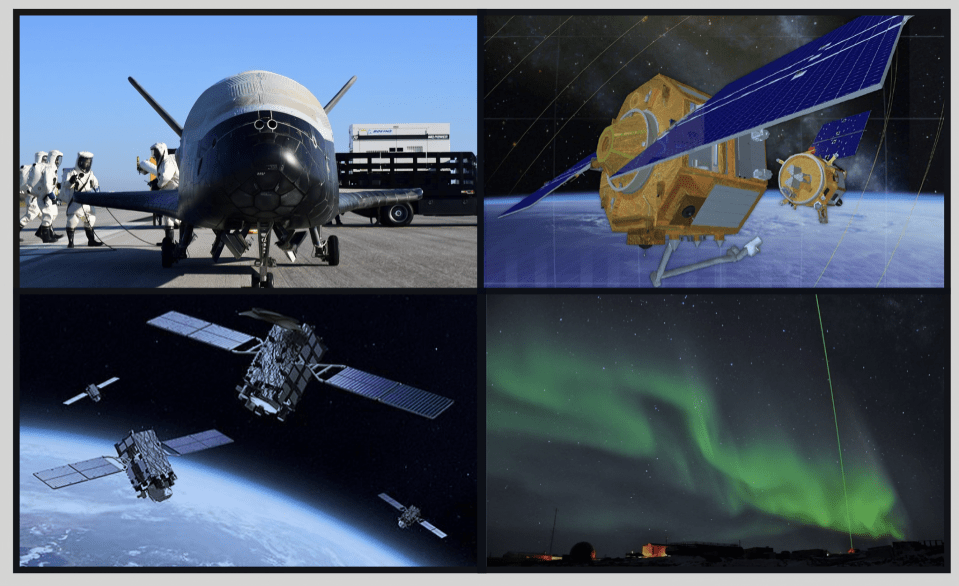
In a rare public disclosure, the U.S. Space Force announced in June that it had deployed a new earthbound electromagnetic weapon built by L3Harris Technologies. The system is designed to disable or disrupt satellites belonging to an adversary. The U.S., China and Russia all currently operate maneuverable satellites that can approach and inspect other spacecraft – technology that could, in theory, be adapted to carry weapons like lasers or projectiles.
Timeline: How the Standoff Has Escalated
- September 2025: U.S. and British forces conducted a joint operation in orbit, directing a U.S. military satellite to move close to a British one while a Chinese satellite passed nearby, according to space intelligence firm Slingshot Aerospace.
- April 2026: General Whiting called for a more active U.S. warfighting posture in space and pushed for new orbital weapons systems.
- June 2026: The U.S. Space Force announced a new ground-based electromagnetic weapon designed to disrupt enemy satellites. That same month, a Chinese spaceplane released a small satellite that maneuvered near another Chinese spacecraft.
- July 2026: General Saltzman publicly warned that China’s space weapons capabilities are advancing rapidly and pose a substantial threat.
The Bigger Picture: A Crowded and Contested Orbit
Earth’s orbit is becoming more crowded every year, which adds another layer of complexity to the US-China space warfare story. SpaceX alone operates roughly 11,000 Starlink satellites and has plans for a larger network of AI-enabled data centers in space. China is building its own rival satellite networks. Meanwhile, President Donald Trump’s Golden Dome missile defense program envisions using space-based interceptors as part of the country’s defense system.
The U.S. has also accused Russia of developing an anti-satellite weapon designed to carry a nuclear device, an allegation Moscow has denied. Western officials broadly warn about a range of threats beyond satellite-on-satellite combat, including ground-based lasers, electronic jammers, cyberattacks and anti-satellite missiles.
Some specialists note that, in practice, disrupting an enemy satellite from Earth using jamming or cyberattacks remains easier than staging a spacecraft-on-spacecraft attack. Still, officials on both sides say the ability to maneuver, inspect and potentially disable another country’s satellites has become a core part of military planning.
What Officials Are Saying
Andrew Turner, a retired senior British air force officer now working as a space consultant, said the U.S.-British satellite operation was “almost certainly a strategic signal to China,” meant to demonstrate allied unity and capability.
U.S. Space Command told Reuters the joint mission showed the country’s ability to work with allies in space, while Britain’s defense ministry said space is increasingly central to military operations and that the UK and its partners are carrying out advanced operations to protect their national and military interests. Neither government commented on how close the operation came to the Chinese satellite.
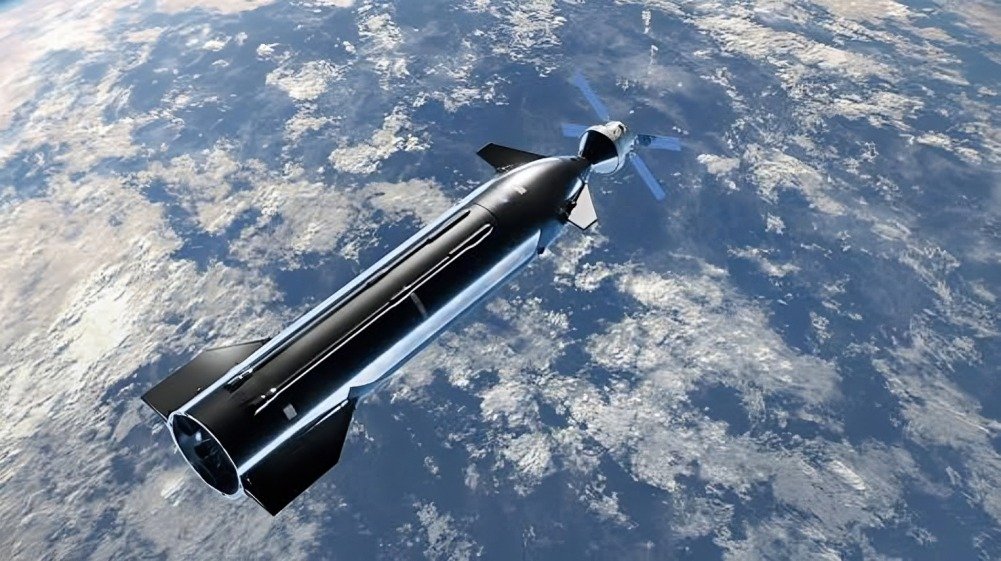
Former U.K. Space Command chief Major General Paul Tedman, who has since retired from the military, said in April that satellites are now viewed as weapons systems that need to be able to maneuver and, if necessary, fight.
What Happens Next in What Happened in US-China Space?
US-China space:Much of what happens next in the US-China space competition will likely remain classified, since so much of military space activity involves sensitive intelligence operations. Analysts expect both countries to continue testing new maneuvering, refueling and inspection technologies in orbit.
The U.S. has signaled it plans to keep expanding its network of allied operations, following the model of the joint mission with Britain. Meanwhile, China’s continued investment in pursuit satellites, refueling technology and large-scale satellite management systems suggests Beijing intends to keep closing the gap with U.S. capabilities.
For now, officials on both sides publicly say they favor a peaceful, stable environment in orbit. But the pace of new technology, along with rising military rhetoric from figures like Saltzman and Whiting, suggests that space is increasingly being treated as a potential battlefield rather than simply a platform that supports operations on the ground.
What is happening with US-China space warfare right now?
Both countries are developing satellites and weapons designed for potential combat in orbit. This includes “hunter” satellites that can chase and capture spacecraft, ground-based jammers, and lasers that can disable or blind enemy satellites. The U.S. and Britain also recently conducted their first known joint military operation in space.
Why does US-China space warfare matter to regular Americans?
Satellites support GPS, weather forecasting, banking, internet access and military operations. If an adversary disabled key U.S. satellites during a conflict, it could disrupt both everyday technology and the military’s ability to operate effectively, according to experts cited in the investigation.
What are “hunter” satellites?
Hunter satellites are spacecraft designed to approach, inspect, chase or even capture other satellites. China has demonstrated satellites that can grab defunct spacecraft and move them into new orbits, while patent documents show Chinese researchers are developing technology to help satellites calculate fuel-efficient paths while pursuing targets.
Has the U.S deployed any new space weapons?
Yes. In June 2026, the U.S. Space Force announced it had introduced a new ground-based electromagnetic weapon built by L3Harris Technologies. It is designed to disable or disrupt satellites operated by an adversary.
What did the U.S. and Britain do together in space?
In a joint operation, U.S. and British forces directed satellites to move close to each other while a Chinese satellite passed nearby. Experts described the move as a signal to China demonstrating allied cooperation and capability in orbit.
How has China responded to the reporting on its space activities?
China’s foreign ministry said it was not familiar with the specific operations described. The country has said it opposes weaponizing space and supports peaceful use of orbit, while accusing the United States of fueling an arms race through programs like its missile defense system.
Is Russia also involved in the space weapons competition?
Yes. Western officials say Russia has demonstrated technologies that could threaten satellites, and the U.S. has accused Moscow of developing an anti-satellite weapon designed to carry a nuclear device. Russia has denied developing such a weapon.


Pingback: Kirk Cousins Ashton Jeanty Update: 5 Key Facts to Know