At least 22 people are dead and more than 380 others are missing after a massive flash flood tore through several valleys in northern Nepal on Wednesday, according to Nepali authorities. Three American tourists are among the missing, based on figures released by Nepal’s Tourism Board.
The disaster struck the Bhote Koshi River in Nepal’s Rasuwa district, a mountainous region that borders Tibet. Within hours, the surge of water and debris spread downstream into the neighboring Nuwakot and Dhading districts, wiping out homes, roads, bridges and power plants along the way.
This Nepal flash flood is one of the deadliest natural disasters to hit the region in recent memory, and the situation is still changing quickly. Officials warn the death toll and the number of missing people could rise as rescue teams reach areas that are still cut off.
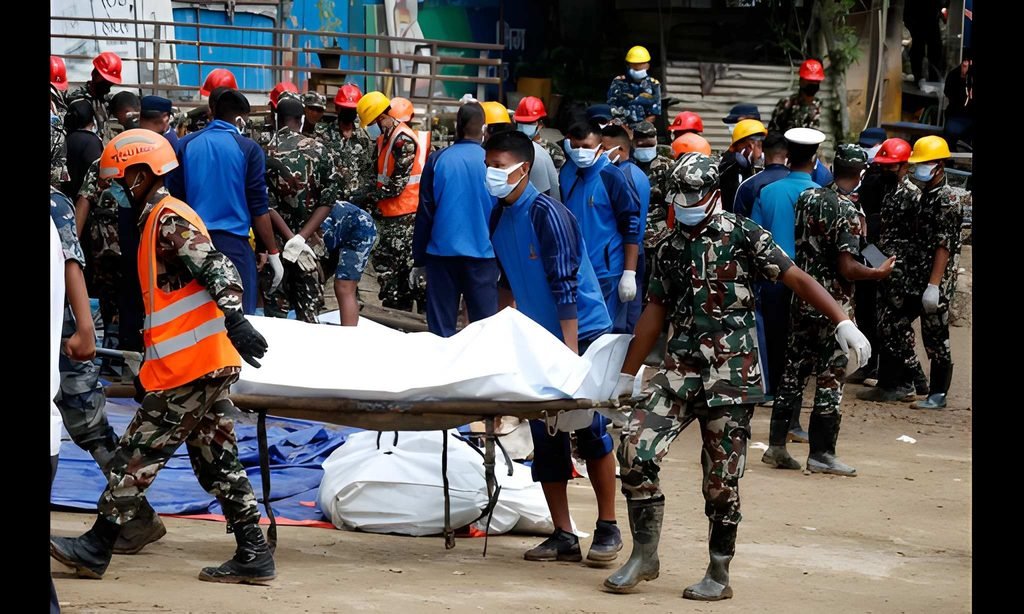
Here is what we know so far about the Nepal flash flood, why it happened, who is affected, and what officials are doing to respond.
What Happened in Nepal?
Just after 8:30 a.m. local time on Wednesday, a sudden and powerful surge of water rushed down the Bhote Koshi River in Rasuwa district, north of Nepal’s capital, Kathmandu. The flood entered Nepal from the Tibetan side of the border and quickly overwhelmed the towns of Syabrubesi and Timure.
Videos shared by regional news outlets and on social media show fast-moving brown floodwater tearing through narrow mountain valleys. The footage shows homes collapsing, a metal bridge being ripped away, and cars floating in the current. Witnesses told Reuters that entire villages were swept away in minutes.
“There is devastation everywhere we look,” Tula Bahadur BK, a health worker in Rasuwa, told Reuters. “The settlements next to the river have been completely swept away.”
As the water moved downstream, it also hit the neighboring Nuwakot and Dhading districts, damaging homes and infrastructure there as well. Nepal’s Foreign Minister, Shishir Khanal, said the flood was triggered by an earthquake that set off a large landslide, which then blocked the Bhote Koshi River. When that natural dam gave way, it sent a wall of water rushing downstream.
Nepal’s Wikipedia-documented flood records and local reporting note that officials had described unusually dry conditions in the area just before the river rose without warning, adding to the confusion in the disaster’s early hours.
Latest Numbers on the Nepal Flash Flood
The numbers connected to this disaster have shifted several times in a single day, which is common in the early stages of a fast-moving emergency like this.
- Nepal police said at least 22 people have been confirmed dead, though earlier reports on Wednesday put the death toll at 8, then later at 17 and 18, as rescue crews reached more areas.
- More than 380 people are listed as missing, according to Nepal’s Tourism Board.
- Of those missing, 291 are foreign nationals and 93 are Nepali citizens, based on preliminary data compiled from tour companies, guides and travel agencies.
- Three Americans are among the missing.
- Other missing foreign nationals include 142 Indian citizens, 17 Malaysians, 12 British nationals, eight South Koreans, four South Africans, one Australian and one Dutch national. The nationalities of about 111 other missing people had not yet been confirmed.
- Nine members of Nepal’s Armed Police Force stationed at the Timure border post were also reported missing.
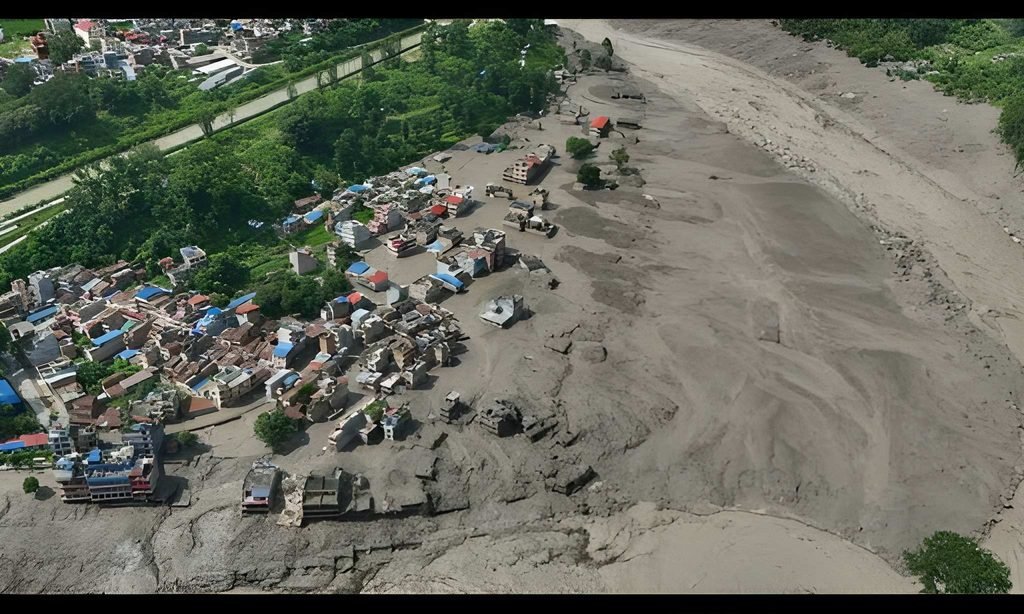
Officials caution that these are preliminary figures. Because phone and internet service is down in parts of the disaster zone, many people currently listed as “missing” may simply be unreachable, not necessarily harmed. Authorities are working to confirm each name on the list.
Why the Nepal Flash Flood Matters to Americans
Three U.S. citizens are currently unaccounted for, which is why this Nepal flash flood is drawing close attention from American news outlets and families back home. Rasuwa district, and the trail toward Syabrubesi and the Tibet border, is a popular route for foreign trekkers, including Americans visiting Nepal’s Himalayan region.
Most of the missing foreign visitors were reportedly traveling with organized tour or trekking groups, according to Nepal’s Tourism Board. That means travel companies may hold key information that can help authorities and families confirm who is safe and who is still missing.
As of Wednesday, U.S. officials had not released the names or hometowns of the three missing Americans. Family members and loved ones of anyone traveling in Nepal are encouraged to contact the U.S. Department of State for the latest guidance and assistance.
What Officials Are Saying
Nepali President Ramachandra Paudel said in a statement that he was “extremely saddened” by the “loss of lives and property caused by the sudden flood.” He called on the national government, political parties, aid agencies and the public to step up rescue and relief work.
Prime Minister Balen Shah said in a social media post that recovery efforts were already underway “in coordination with the medical team, scouts, and Red Cross.”
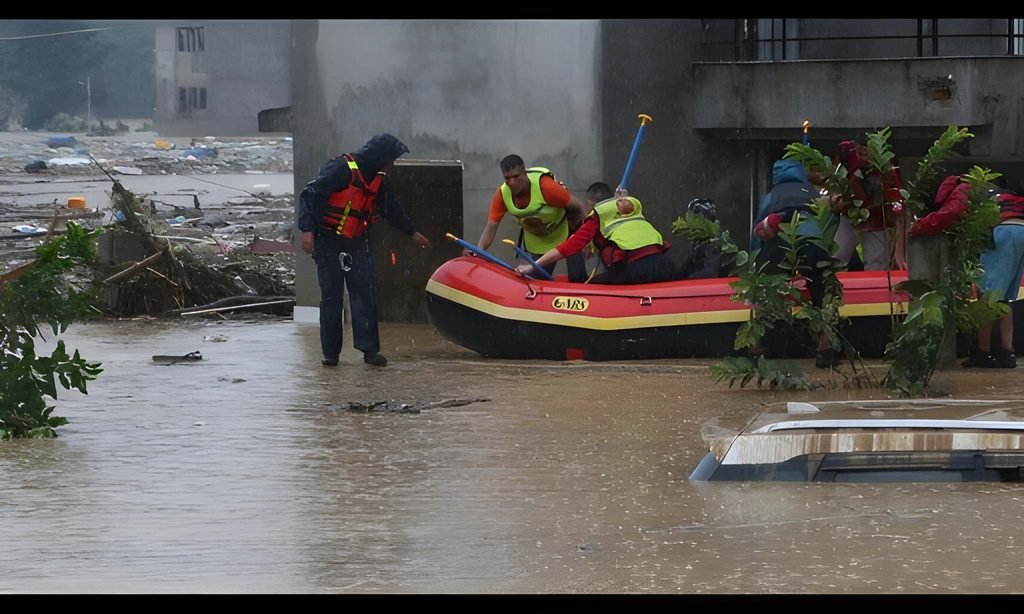
Rasuwa’s district administrator, Narendra Pariyar, told Reuters that “there could be heavy casualties or loss of property,” and urged everyone living near the Bhote Koshi River to move to higher ground immediately.
Nepal Police spokesperson Abi Narayan Kafle told the French news agency AFP that officials do not yet know the full extent of the damage. “The flood is big, and it could have damaged many settlements,” Kafle said. “We have alerted people who are staying near the riverside to relocate… and deployed all our resources.”
Across the border, Chinese state media reported that the flood also caused a mudslide near the Gyirong border crossing on the Tibetan side, warning of possible “major casualties” there as well.
India’s government has ordered authorities in states bordering Nepal to remain on high alert in case flooding spreads further downstream through connected river systems, including the Trishuli and Narayani rivers.
Why Rescue Efforts Are So Difficult
Nepal’s terrain is part of what makes this disaster so hard to manage. Rasuwa district sits deep in the Himalayas, with narrow gorges, steep slopes and limited road access even in normal conditions.
Rescue helicopters have not been able to land in some of the worst-hit areas, including Syabrubesi and Timure, because of ongoing dangerous conditions and blocked or destroyed landing areas. That has slowed efforts to reach survivors and assess the damage firsthand.
The Nepal Army and the Armed Police Force have been deployed to search for survivors and reach isolated communities. Aid groups, including the Red Cross, are also involved in the response.
Adding to the challenge, the Nepal Electricity Authority confirmed that six major hydropower and transmission facilities were damaged in the flooding. That means some of the affected areas may also be without reliable power, which can complicate communication and rescue coordination even further.
Background: A History of Flash Flooding in This Region
This is not the first time the Bhote Koshi River has flooded suddenly. According to available reporting, a similar flash flood hit the same river a year earlier and was linked to water draining from a “supraglacial lake,” a lake that forms on top of a glacier, in Tibet.
Rivers that flow down from glaciers and high mountain lakes in the Himalayas are known to be vulnerable to this kind of sudden flooding. When a natural ice or landslide dam breaks, or when a glacial lake overflows, the water has nowhere to go but down through narrow valleys, hitting communities with little to no warning.
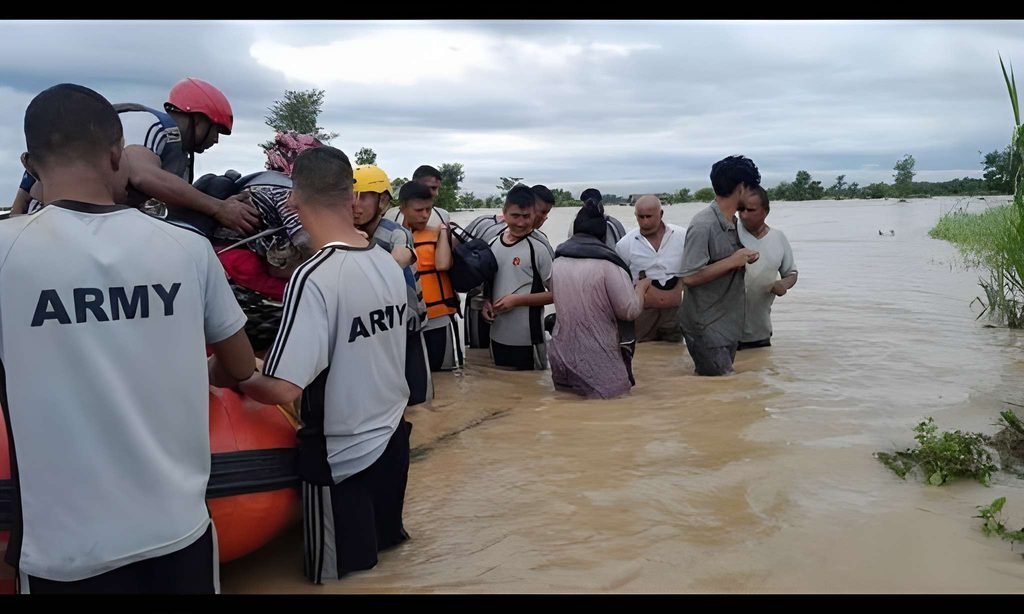
As of now, Nepali authorities have not confirmed the exact underlying cause of this week’s flood beyond the reported earthquake and landslide that blocked the river. Investigators are expected to examine the event further once rescue operations ease.
What Happens Next?
Rescue and recovery work is expected to continue for days, if not longer, given the terrain and the number of people still unaccounted for. Authorities have not said when they expect to reach every affected village.
Officials are likely to keep updating the death toll and missing-persons count as more information comes in from remote areas. Families of missing foreign nationals, including the three Americans, should expect updates through Nepal’s Tourism Board, tour operators and, for U.S. citizens, the State Department.
Downstream areas along the Trishuli and Narayani rivers remain on alert for possible additional flooding, and residents in those zones have been told to stay ready to move to higher ground if conditions change.
Longer term, this disaster is likely to renew attention on flood-warning systems in Nepal’s mountain districts, especially in river valleys that have flooded before.
What caused the Nepal flash flood?
Nepal’s Foreign Minister, Shishir Khanal, said an enrthquake triggered a large landslide that blocked the Bhote Koshi River. When that natural blockage failed, it released a sudden, powerful surge of water downstream into Rasuwa, Nuwakot and Dhading districts.
How many Americans are missing in the Nepal flash flood?
At least three U.S. nationals are listed among the missing, according to Nepal’s Tourism Board. Their identities have not been made public. Families with concerns about a loved one traveling in Nepal are encouraged to contact the U.S. Department of State for guidance.
How many people have died in the Nepal flash flood?
Nepal Police have confirmed at least 22 deaths, though earlier reports on the day of the disaster cited lower figures of 8, then 17 and 18, as rescue teams reached more remote areas. Officials expect the confirmed death toll may continue to change.
Where exactly did the Nepal flash flood happen?
The flood struck the Bhote Koshi River in Rasuwa district, in northern Nepal near the Tibet border, before spreading downstream into the neighboring Nuwakot and Dhading districts.
Why are so many foreign tourists missing?
Rasuwa is a popular trekking and travel region, and many of the missing foreign nationals were traveling with organized tour groups when the flood hit. Nepal’s Tourism Board is working with travel companies to confirm the safety of everyone on its preliminary list.
Is this the first time this river has flooded like this?
No. Reports indicate a similar flash flood hot the Bhote Kodhi River a year earlier, reportedly linked to water draining from a glacial lake in Tibet. Authorities have not yet confirmed all details behind this week’s event.
What is being done to help those affected?
Nepal’s Army and Armed Police Force have deployed search-and-rescue teams, alongside the Red Cross and medical personnel. Officials have urged people near the Bhote Koshi, Trishuli and Narayani rivers to move to higher ground as a precaution.