
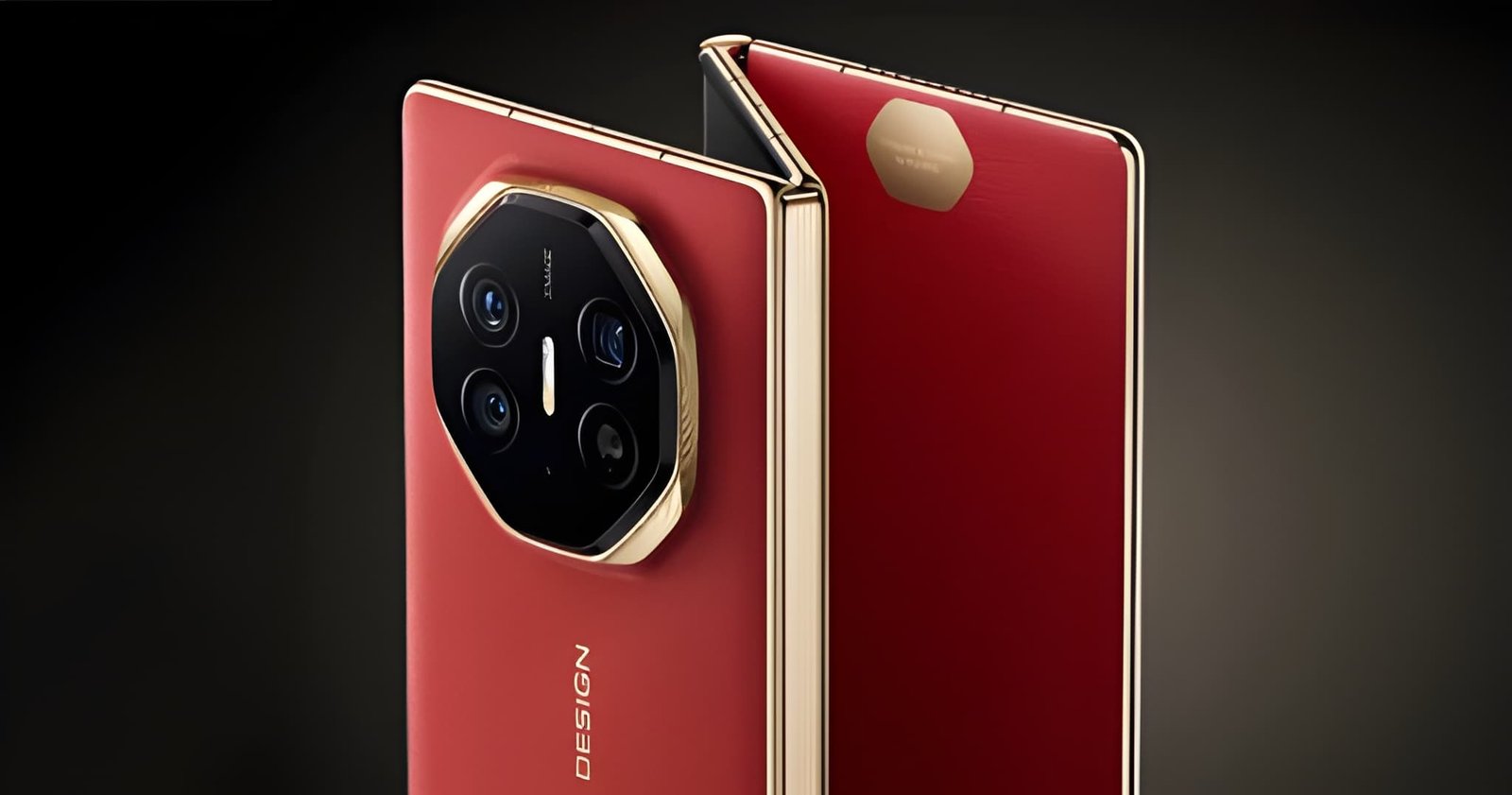
China’s two biggest smartphone makers just raised the stakes in the global foldable phone race. Huawei and Xiaomi both launched new flagship foldable phones on Monday, just two days before Apple is expected to unveil its own first-ever folding iPhone. The timing was no accident – both Chinese companies used their launch events to argue that their hardware already beats what Apple is about to offer.
The dueling announcements came out of China, where Huawei debuted the Mate XT2, a next-generation tri-fold phone, and Xiaomi introduced the Xiaomi 18 Fold, its most expensive phone yet. Apple, meanwhile, is preparing for a September 9 event in Cupertino, California, where analysts widely expect the company to show off its first foldable iPhone alongside new iPhone 18 Pro models.
For American consumers, the story matters even though Huawei’s devices are not for sale in the United States. The race among Huawei, Xiaomi, Samsung, and now Apple is reshaping what a premium phone looks like worldwide, and it’s putting pressure on Apple to prove its long-awaited foldable can compete with devices that have already gone through several design generations overseas.
What Happened This Week
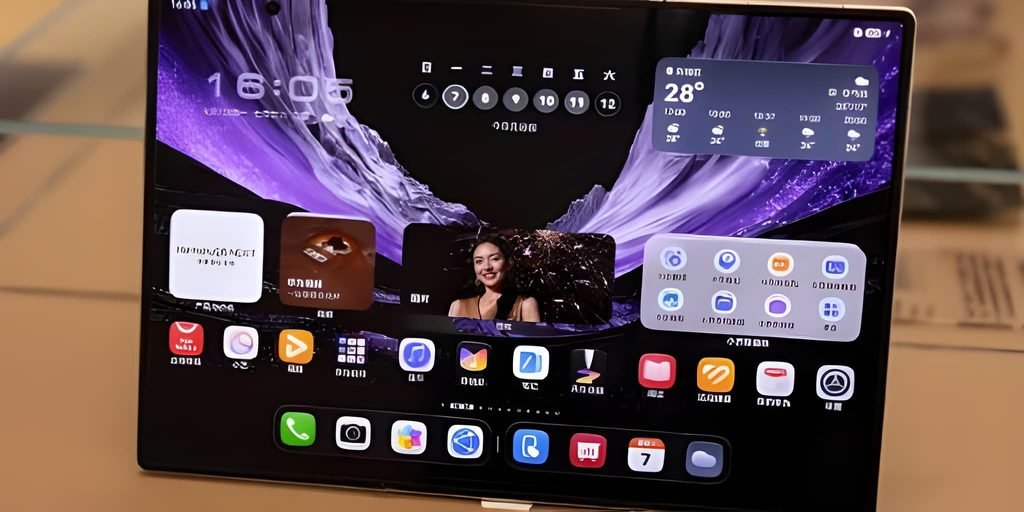
Huawei held its launch event first, unveiling the Mate XT2 as the second generation of the tri-fold phone it originally introduced in 2024. Unlike the first version, which used a Z-shaped fold, the new Mate XT2 folds with a G-shaped design that brings both side panels inward. When fully opened, the phone unfolds twice into a screen roughly the size of a small tablet.

The Mate XT2 runs on Huawei’s new Kirin 9050 Pro chip and includes a redesigned hinge, improved water resistance, and a privacy screen that blocks people nearby from seeing what’s on the display. Pricing starts at 19,999 yuan, or roughly $2,980, and rises to 24,999 yuan, about $3,725, for the top configuration. Sales are set to begin September 12. Huawei said preorders, which opened in late August, sold out almost immediately.
A few hours later, Xiaomi held its own event to introduce the Xiaomi 18 Fold, describing it as the most premium phone the company has ever made. Xiaomi calls it a “medium-fold” device: it stays about the size of a passport when closed but opens wide enough to run three apps side by side. It’s priced well below Huawei’s tri-fold, starting at 10,999 yuan (about $1,540) and topping out at 14,999 yuan (roughly $2,100).
Why the Timing Matters
Both launches were scheduled deliberately close to Apple’s own event. Apple has confirmed it will hold a hardware event on Wednesday, September 9, at its Apple Park campus, with widespread reporting pointing to the unveiling of a book-style foldable iPhone alongside the standard iPhone 18 Pro and Pro Max models. It would be Apple’s first new iPhone form factor since the original iPhone X launched in 2017.
By launching first, Huawei and Xiaomi got to frame the conversation before Apple even took the stage. Xiaomi CEO Lei Jun spent a large part of his presentation directly comparing the Xiaomi 18 Fold to Apple products, arguing that his phone is thinner and lighter than the iPhone Pro Max and that its processor responds faster than Apple’s current A19 Pro chip.
Both executives also pointed to a shared industry headache: memory prices. Huawei executive director Richard Yu told reporters that rising memory costs made pricing the Mate XT2 difficult, saying the company “adopted a lot of new technology” and that “the cost pressure has been enormous.” Lei made a similar point about the Xiaomi 18 Fold, saying, “Nowadays, memory is very, very expensive. We don’t say it is cheap, but it is value for money.”
The Technology Behind the New Chips
Huawei has been under years of U.S. trade restrictions that block it from buying advanced American chip-making technology, and the company has leaned on the Mate XT2 launch to argue it is finding workarounds. Huawei says its new chip design, built around what it calls “LogicFolding” architecture, delivers more computing power while using less electricity than earlier designs.
The approach is tied to a concept Huawei calls the “Tau Scaling Law,” which the company introduced in May. Rather than shrinking transistors further, the design folds circuits vertically to cut down the time it takes signals to travel across the chip. In simple terms, Huawei is trying to squeeze more performance out of existing manufacturing methods since it cannot access the newest chip-making tools available to companies like Apple and Samsung.
Xiaomi took a different approach with its own chip, the XRing O3, which the company designed in-house. Xiaomi also said the Xiaomi 18 Fold’s memory chips come from CXMT, a Chinese semiconductor supplier, rather than the South Korean firms that typically dominate global memory production. That choice reflects a broader shift among Chinese tech companies toward domestic suppliers as geopolitical tensions with the U.S. continue to affect the tech supply chain.
Where Huawei and Xiaomi Stand in the Market
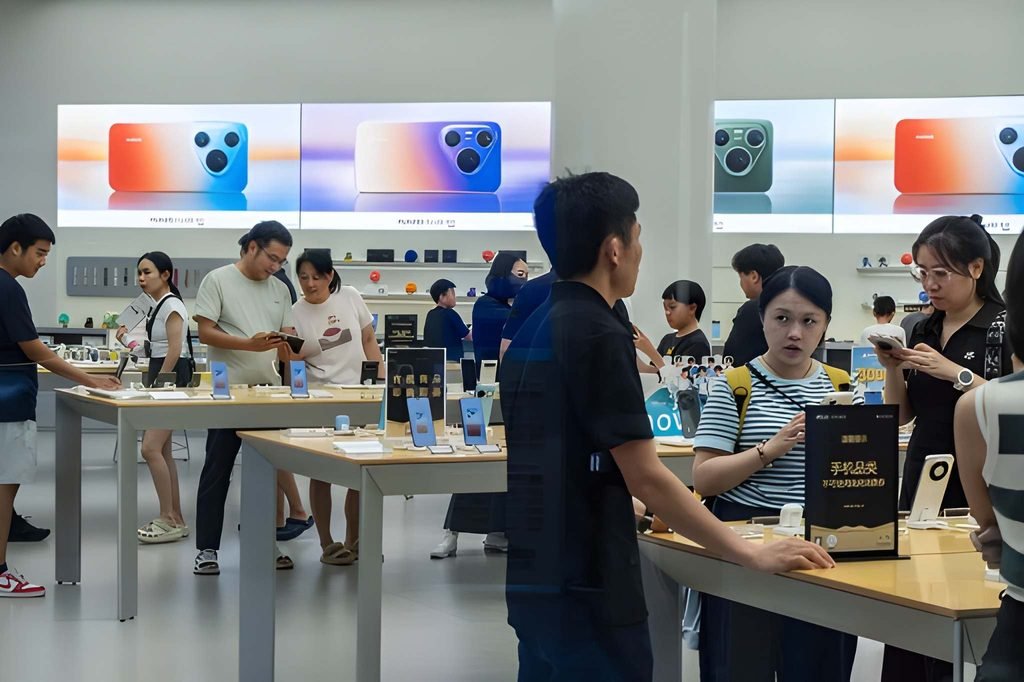
The launches come as Huawei continues to dominate China’s smartphone market. According to research firm IDC, Huawei held a 22.6% share of China’s smartphone market in the second quarter of 2026, ahead of Apple’s 18.1% share and Xiaomi’s 12.4% share. Huawei’s lead is even larger in the folding phone category specifically, where the company accounted for 68% of shipments in China during the same period.
Huawei remains the only major smartphone maker currently selling a tri-fold device to consumers. The company cannot sell any of its phones in the United States because the U.S. government has determined Huawei poses a national security risk, a restriction that has been in place for several years and affects the company’s access to American chip technology as well as retail sales.
South Korea’s Samsung, which is still the world’s largest seller of foldable phones overall, tried its own tri-fold device in December but reportedly pulled it from sale after roughly three months. Samsung has instead expanded its foldable lineup in other directions, including a smaller, passport-sized foldable phone it introduced in July.
What This Means for Apple
Apple has never sold a foldable device, making Wednesday’s expected announcement a significant moment for the company. Widespread reporting, including from Reuters, indicates Apple’s foldable iPhone will use a book-style design that opens into a larger display, roughly comparable in size to a small tablet, similar in concept to Samsung’s larger foldables.
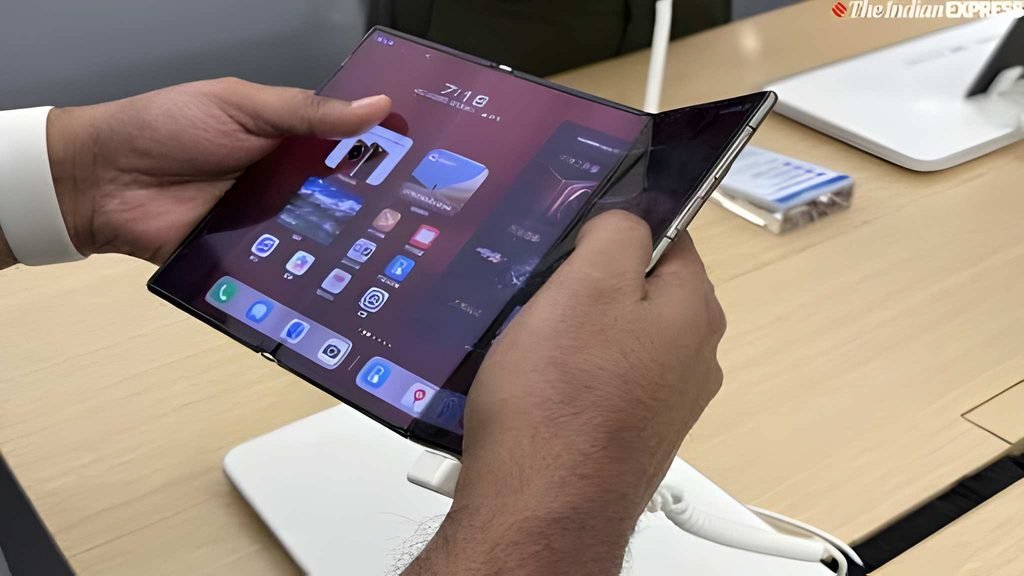
Multiple outlets covering Apple’s supply chain have reported the device could measure around 5.3 to 5.5 inches when closed and about 7.6 inches when unfolded. To keep the phone thin, reports suggest Apple may use Touch ID instead of Face ID on the foldable model and may leave out a telephoto camera lens that’s standard on its other Pro-tier phones. Apple has not confirmed any of these details publicly, and specifications could change before or even after the announcement.
Separately, at least one industry report from a South Korean outlet has suggested Apple’s first production run of the foldable device may be limited, citing manufacturing challenges tied to hinge components and folding-display yields. That claim has not been independently confirmed by Apple or by other major outlets, and it should be treated as an early, unverified report rather than a confirmed production figure.
Impact on American Shoppers
Most Americans won’t be able to buy the Huawei Mate XT2 or the Xiaomi 18 Fold, since neither company sells phones through official retail channels in the United States. But the competition still affects U.S. consumers in a couple of ways.
First, it puts pressure on Apple to price and design its foldable competitively, since global reviewers and tech buyers will inevitably compare it to devices already sold in China and other markets. Second, rising global memory prices — the same issue both Huawei and Xiaomi executives raised at their launch events — are a broader trend affecting phone, laptop, and computer prices worldwide, including in the U.S., as manufacturers compete for a limited global memory chip supply.
Whatever Apple announces on September 9, the folding phone category is no longer a niche product. With Samsung, Huawei, and Xiaomi all fielding multiple foldable models, Apple is entering the segment years after competitors already worked through early design problems like hinge durability and screen creasing.
What Happens Next
Huawei’s Mate XT2 goes on sale September 12, while pricing and availability for markets outside China have not yet been announced. Xiaomi has not detailed international release plans for the 18 Fold beyond its home market launch.
Apple’s event is scheduled for September 9 at 10 a.m. Pacific time and will be streamed on Apple’s website, YouTube, and the Apple TV app. The company is expected to confirm pricing, specifications, and release timing for its foldable iPhone, along with the standard iPhone 18 Pro and Pro Max models, during that presentation. Until Apple’s event takes place, all details about its foldable phone remain based on reporting and industry leaks rather than official confirmation.
What did Huawei and Xiaomi just announce?
Huawei launched the Mate XT2, a second-generation tri-fold phone that opens into a tablet-sized screen, while Xiaomi introduced the Xiaomi 18 Fold, a passport-sized foldable that opens wide enough to run three apps at once. Both launched on the same day, just before Apple’s own event.
How much do the new Huawei and Xiaomi foldable phones cost?
The Huawei Mate XT2 starts at 19,999 yuan, about $2,980, and goes up to 24,999 yuan, roughly $3,725. The Xiaomi 18 Fold is less expensive, starting at 10,999 yuan (about $1,540) and reaching 14,999 yuan (around $2,100) for the top model.
One Reply to “Huawei and Xiaomi Foldable 2 Phones Launch in Major Challenge to Apple’s Upcoming Reveal”