
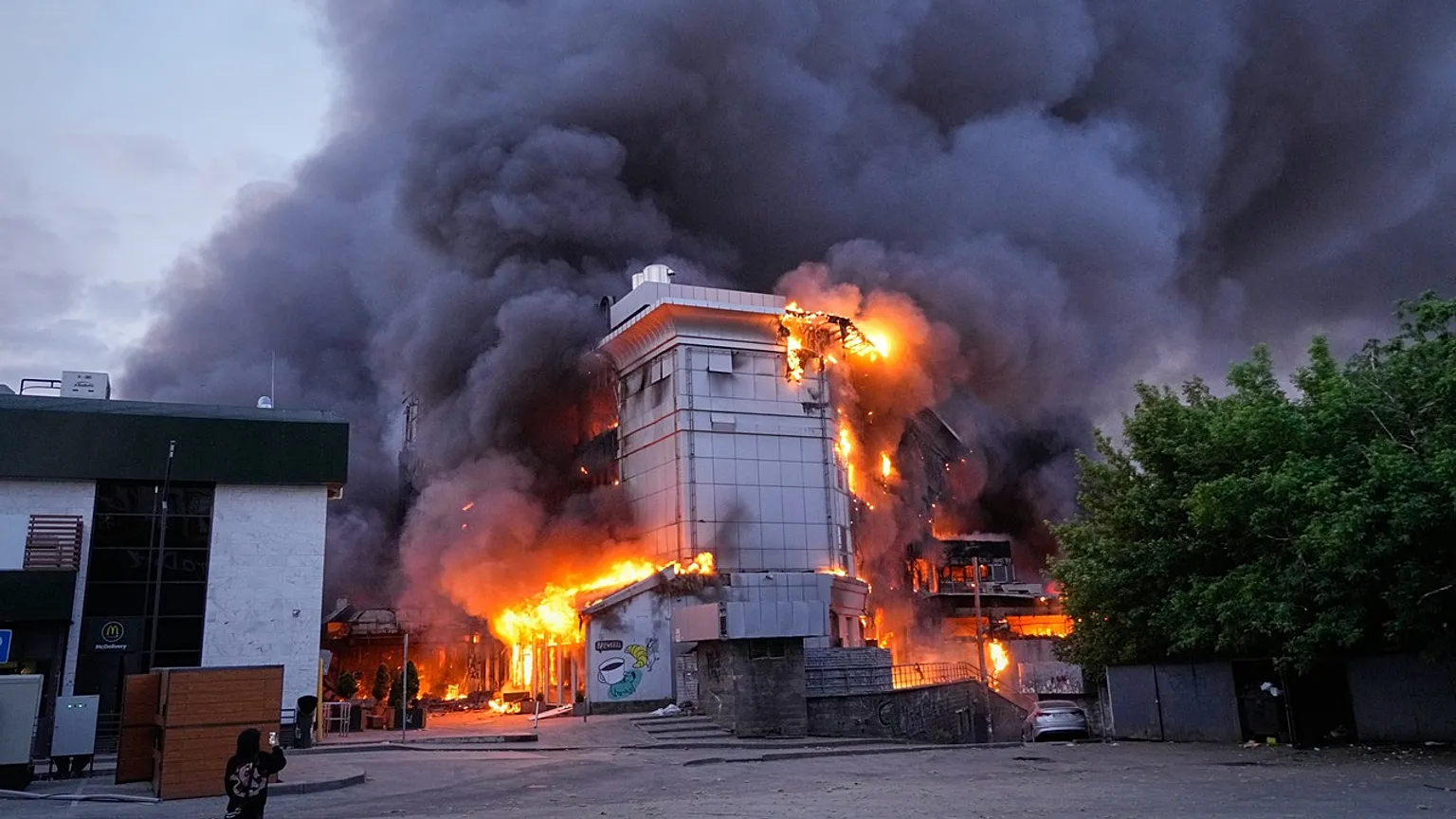
Kyiv drone attacks have become a near-constant part of daily life in Ukraine’s capital, and residents say the disruption is only getting worse as a fifth full winter of war approaches. Commuters are getting stranded, schoolchildren are being rushed into shelters mid-class, and grocery shopping has become unpredictable, according to residents and officials in the city.
For years, Kyiv has found ways to keep functioning despite the war that began with Russia’s full-scale invasion in February 2022. But over the past 10 days, the intensity and timing of Russian drone strikes have shifted in a way that is making it much harder for the city’s roughly 3 million residents to maintain any sense of normal life.
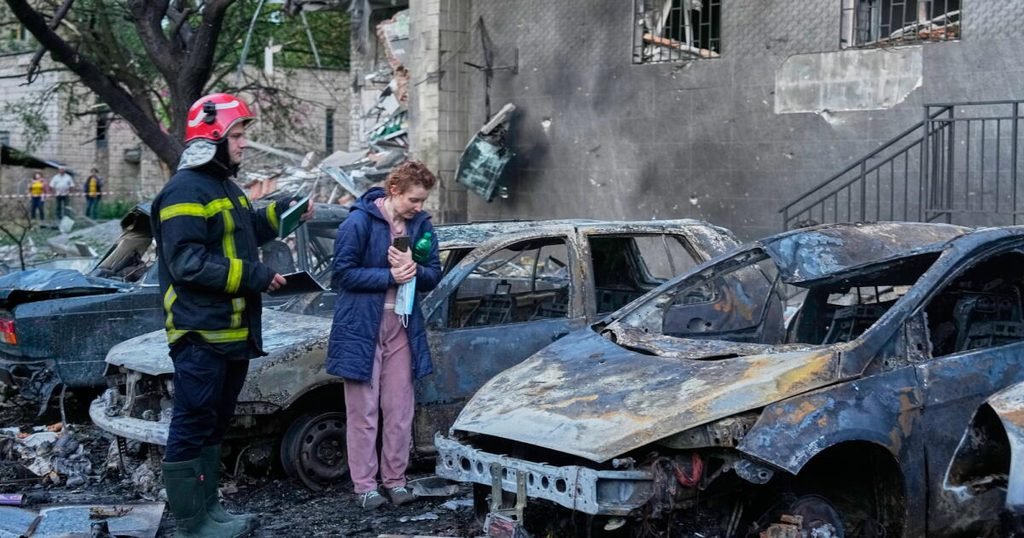
Here’s a look at how the latest wave of Kyiv drone attacks is reshaping everyday routines, what officials are saying about the changing nature of the threat, and why the timing matters as diplomatic efforts continue.
What’s Changed in the Latest Wave of Attacks
For most of the war, Russian drone and missile strikes on Kyiv mainly happened at night. That pattern has shifted. For the past 10 days, air attacks have been happening around the clock rather than mostly after dark, according to Reuters reporting from the city.
Part of the change comes down to new technology. Over the summer, Russia began deploying jet-propelled drones that fly at much higher speeds than the older, propeller-powered drones used earlier in the war. These faster drones are described as more destructive and considerably harder for Ukrainian air defenses to intercept.
Ukraine’s air force says Russia fired more than 2,800 of these jet-powered drones in August alone, after increasing their use roughly fivefold in July compared with June. Interception rates for the newer drones are only around 60%, compared with more than 90% for the slower, older-style drones.
Why the Timing Matters
The shift toward round-the-clock Kyiv drone attacks comes at a sensitive moment. Ukraine says the increased strikes appear designed to break civilian morale and pressure the government into giving up territory, particularly at a time when the U.S. government appears to be pushing for a new round of peace efforts.
Russia has said its attacks serve a military purpose, and both Moscow and Kyiv say they do not deliberately target civilians. Even so, dozens of civilians in Kyiv and the surrounding region have been killed since Aug. 27, according to reporting from the city. The United Nations has verified more than 16,000 civilian deaths across the broader conflict since it began, the vast majority of them in Ukraine.
Meanwhile, frontline fighting between Russian and Ukrainian forces continues to cause hundreds of casualties a week without producing major territorial changes for either side. That stalemate on the ground appears to be part of why both countries have shifted toward a more intense air campaign targeting each other’s energy grids and logistics networks.
Real Stories From Kyiv Residents
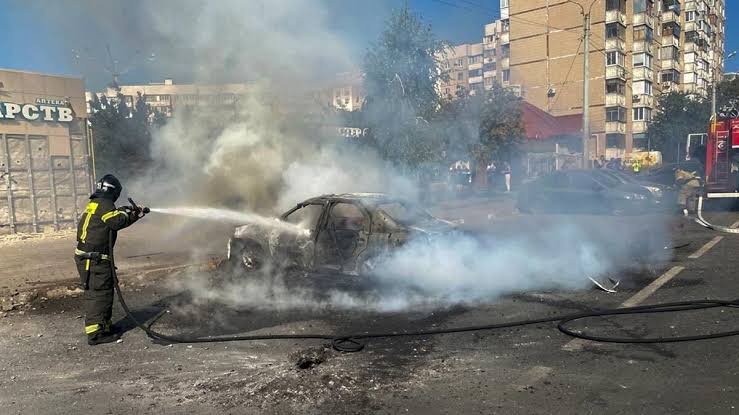
The human impact of the escalation has shown up in ordinary moments turned dangerous. Vitaliia Poliakova, 35, and her partner were driving near a bridge over the Dnipro River on Thursday when a jet-powered drone struck the road close to their car, injuring them both.
“We were driving, talking about our own things,” Poliakova said from inside an ambulance, describing cuts to her hand while her partner suffered injuries to his face and leg.
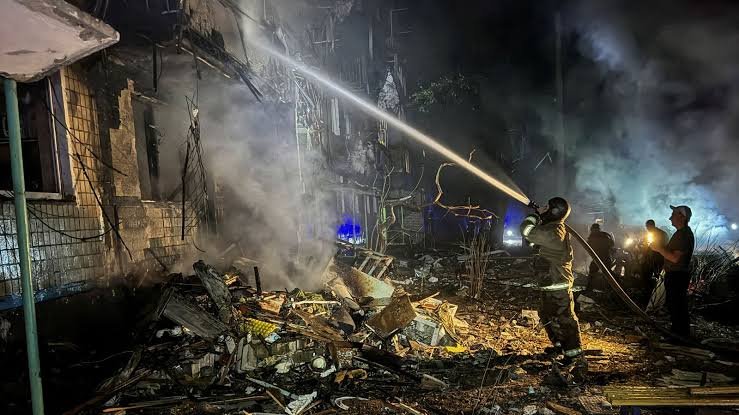
Elsewhere in the city, residents are grappling with the aftermath of damaged homes. Bohdan, 29, surveyed his apartment block this week after it was struck in a Russian attack. He said the past year has already been difficult, and that after this latest strike, he and his family are planning to move elsewhere.
Commuting and Grocery Shopping Get Harder
Daily routines that once felt manageable are becoming increasingly difficult to plan around. On Monday, repeated air raid alerts forced a halt to metro service linking the two sides of the Dnipro River, which splits the city in two. Roads leading into central Kyiv have become clogged, bus stops are overcrowded, and many residents are walking long distances just to get to and from work.
At one packed metro platform, nurse and psychologist Yulianna Oliynyk waited with her two sons for an air raid alert to lift. She said she has started thinking about bringing sleeping bags so the family could stay overnight near a metro station close to her children’s school if needed.
Grocery shopping has also become harder to plan. Large supermarkets in the city now close whenever air raid sirens sound, forcing shoppers to leave mid-errand. Some dairy products have also become harder to find as supply chains are disrupted and warehouses are damaged in strikes. Natalia Petrivska, executive director of the Ukrainian Food Retail Alliance, appeared on television this week to reassure residents that panic buying was not necessary.
Schools Reopen Despite the Danger
Ukraine’s new school year began this week, even as the Kyiv drone attacks continued. At one school in the city, students had just finished their first class of the year when air raid sirens sounded, sending them into underground shelters to continue their lessons.
Headmaster Roman Feshchuk said the disruption is difficult for students but that children are adapting. He told Reuters that around 400 students enrolled at the school this year, though fewer first-graders signed up compared with previous years. The school itself was damaged in an earlier Russian attack back in May.
One young student, Oleksandra, wore a traditional Ukrainian dress and carried flowers to mark the first day of school. Asked what she dreamed of, she said simply that she hoped the war would end.
A Harder Winter Ahead
Russian attacks have caused power and water outages in Kyiv since early in the war, but the intensity of the past 10 days suggests this coming winter could bring even greater disruption to basic services. For many of Kyiv’s residents, that possibility is now front of mind as colder weather approaches.
Despite the toll of the war, public opinion in Ukraine appears to be hardening rather than softening toward potential territorial concessions. Polling conducted in August by the Kyiv International Institute of Sociology found that 69% of respondents opposed ceding the unoccupied part of the Donbas region, a demand Russian President Vladimir Putin has repeatedly pushed for. That figure is up from 62% in April, suggesting continued strikes have not shifted public sentiment toward compromise.
Background: Nearly Four Years of War
Russia launched its full-scale invasion of Ukraine in February 2022, and Kyiv has weathered repeated waves of attacks in the years since. Residents adapted over time to earlier forms of attack drones and ballistic missiles, managing to maintain something resembling ordinary daily life even amid regular alerts and strikes.
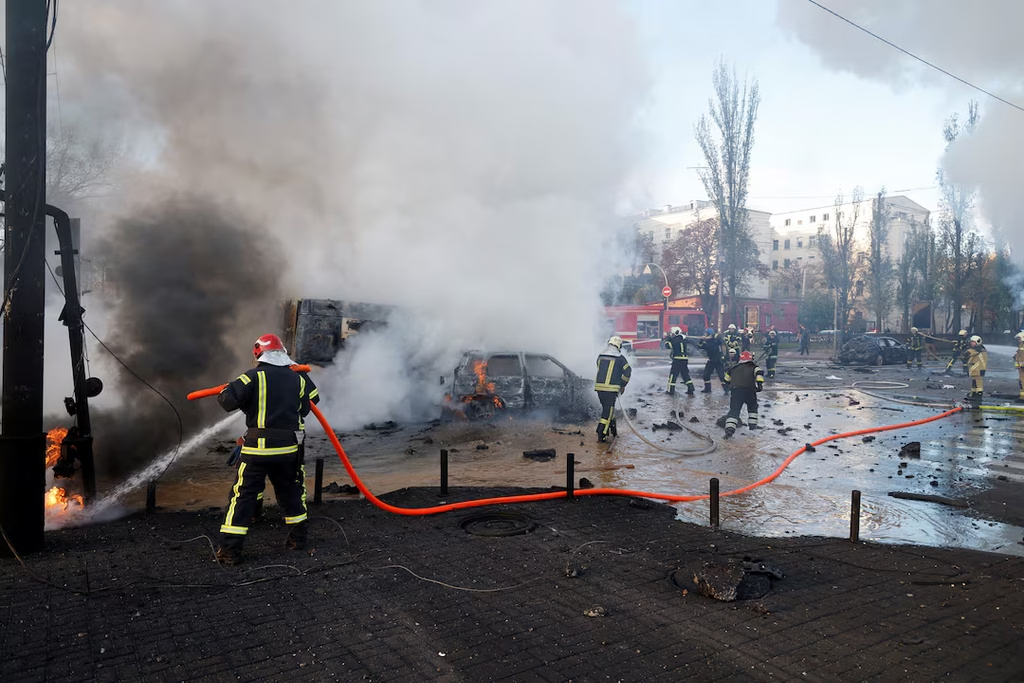
That adaptation is now being tested in new ways by the faster, more destructive jet-propelled drones introduced this summer, along with the shift to continuous, round-the-clock attacks rather than primarily nighttime strikes. The change comes as both Russia and Ukraine continue an intensified air campaign against each other’s infrastructure, even as ground fighting along the front lines remains largely stalemated.
What Happens Next?
It remains unclear whether the current pace of Kyiv drone attacks will continue through the winter or whether diplomatic efforts involving the U.S. will lead to any reduction in hostilities. For now, residents like Bohdan are making practical decisions, such as relocating away from damaged neighborhoods, while officials like Petrivska work to prevent panic over shortages.
Ukraine’s military will likely continue working to improve interception rates against the newer, faster drones, given how much lower current success rates are compared with older drone models. Meanwhile, schools, transit systems and grocery retailers across Kyiv are adjusting operations day by day as the security situation evolves.
Why are Kyiv drone attacks happing around the clock now?
Over the past 10 days, Russian air attacks on Kyiv have shifted from mostly nighttime strikes to a round-the-clock pattern. This follows Russia’s introduction of faster, jet-propelled drones over the summer, which are harder for Ukraine’s air defenses to intercept than older models.
How is daily life in Kyiv being affected?
Kyiv drone attacks are disrupting commutes, grocery shopping and school schedules. Metro service has been halted during air raid alerts, supermarkets close mid-shopping when sirens sound, and students have been sent into shelters during class. Roads into the city center are also more congested as residents adjust their routines.
How many drones has Russia used in recent attacks on Ukraine?
Ukraine’s air force says Russia fired more than 2,800 jet-powered in August 2026, after increasing their use roughly fivefold in July compared with more than 90% for older, slower drones.
How many civilians have been killed in the broader war?
The United Nations has verified more than 16,000 civilian deaths in the conflict overall, the vast majority in Ukraine. In Kyiv and the surrounding region specifically, dozens of civilians have been killed since Aug. 27, 2026
Do Ukrainians support giving up territory to end the war?
Polling from August 2026 by the Kyiv International Institute of Sociology found that 69% of Ukrainians opposed ceding the unoccupied part of the Donbas region, up from 62% in April. This suggest public opposition to territrorial concessions has grown despite the escalating attacks.
Are schools still open in Kyiv despite the attacks?
Yes. Ukraine’s school year began this week despite ongoing Kyiv drone attacks. At one school, students were sent to underground shelters during air raid sirens on the very first day of classes, though the headmaster said students are adapting to the disruptions.
One Reply to “Kyiv Drone Attacks 2026: 6 Alarming Ways Daily Life Is Changing”