Iran said this week that it has been getting ready for tough new economic penalties from the United States “for a long time,” even as the Trump administration rolled out its biggest financial pressure campaign yet against Tehran. The move marks a major shift in a war between the two countries that is now closing in on its sixth month.
Iranian Economy Minister Ali Madanizadeh told state television on Monday that his government is prepared to withstand the new penalties. His comments came hours after U.S. Treasury Secretary Scott Bessent unveiled the plan at a press conference in Washington, calling it an “unprecedented campaign” meant to cut off money flowing to Iran’s government.
The new Iran sanctions 2026 package is the centerpiece of what officials call Operation Economic Outcast. It targets Iran’s digital assets, gold trading, aviation industry, and shipping networks, and it threatens any country or company that keeps doing business with Tehran. The goal, according to the Trump administration, is to force Iran back to the negotiating table over the war and its nuclear program.
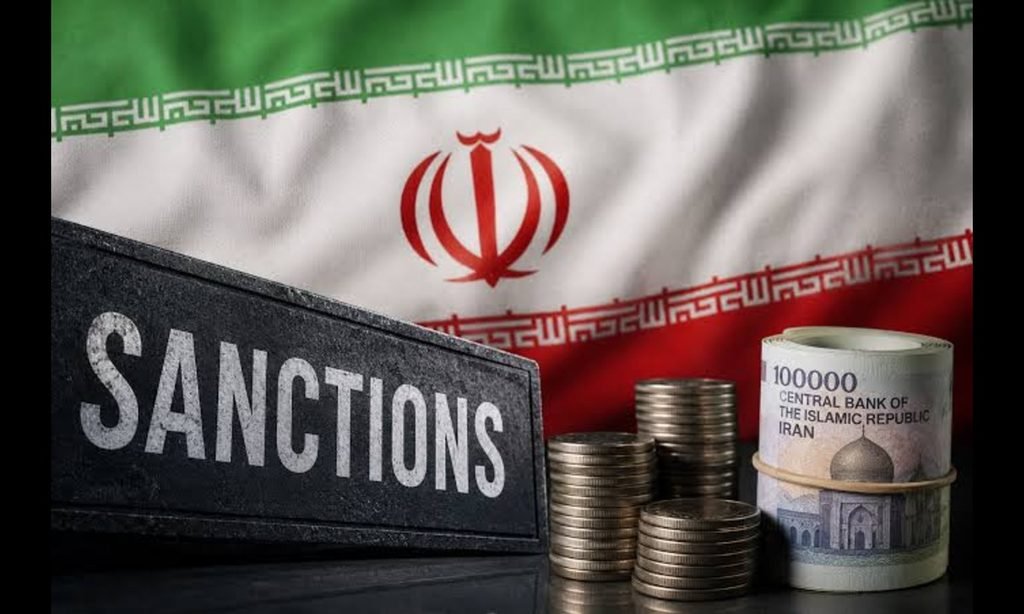
This story matters to Americans because the conflict has already disrupted global shipping lanes, driven up costs tied to oil markets, and pulled U.S. military resources away from other parts of the world. Here is what regular readers need to know about the latest round of Iran sanctions 2026, why they were announced now, and what could happen next.
What Happened This Week
On Monday, Secretary Bessent held a news conference at the Treasury Department to announce the newest round of Iran sanctions 2026. He said the United States had begun “Operation Economic Outcast“, which he described as “the single greatest financial offensive ever marshaled against an adversary.”
The sanctions expand the list of businesses and countries that can face U.S. penalties for trading with Iran. They also add new restrictions in several industries, including cryptocurrency and other digital assets, gold, airline travel, and cargo shipping. Bessent warned that any bank or company caught laundering money for Iran “will be removed from the U.S. dollar system,” adding, “The clock just started ticking“.
Iran’s government responded quickly. Economy Minister Madanizadeh said Tehran has a “two-year plan” to manage the fallout and predicted “another defeat” for Washington. Iran’s foreign ministry spokesman, Esmaeil Baghaei, said the country’s “hands are not tied” and warned that further escalation would bring consequences.
Why the US Announced New Iran Sanctions Now
The timing is tied to a stalled peace effort. Back in June, President Trump and Iranian officials signed a memorandum of understanding that set a 60 – day deadline for ending the war and reaching a deal on Iran’s nuclear program. That deadline passed last week without an agreement, and both sides have since said they consider the memorandum abandoned.
With direct talks broken down and no resolution over control of the Strait of Hormuz, a narrow waterway that carries a large share of the world’s oil shipments, the Trump administration has shifted its approach. Instead of relying mainly on military strikes, officials are now leaning harder on economic pressure through the new Iran sanctions 2026 measures.
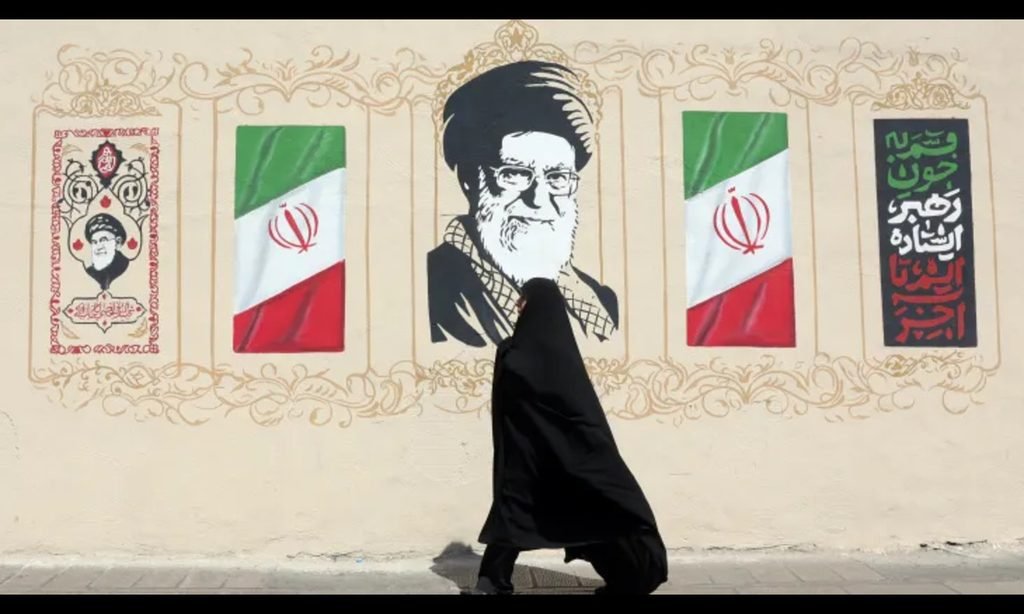
President Trump signaled the change last week when he wrote on his Truth Social account that Iran is “completely collapsing.” He gave no further details, but the post came just before Bessent’s announcement of the sanctions package.
The Numbers Behind the Standoff
Several figures help explain how serious the situation has become
- 71 commercial ships have now been redirected by the U.S. military as part of its naval blockade tied to the conflict, according to U.S. Central Command. That is up from 64 ships just a week earlier. The U.S. has also disabled three ships and boarded two others to enforce the blockade, while allowing more than 40 humanitarian aid vessels to pass through.
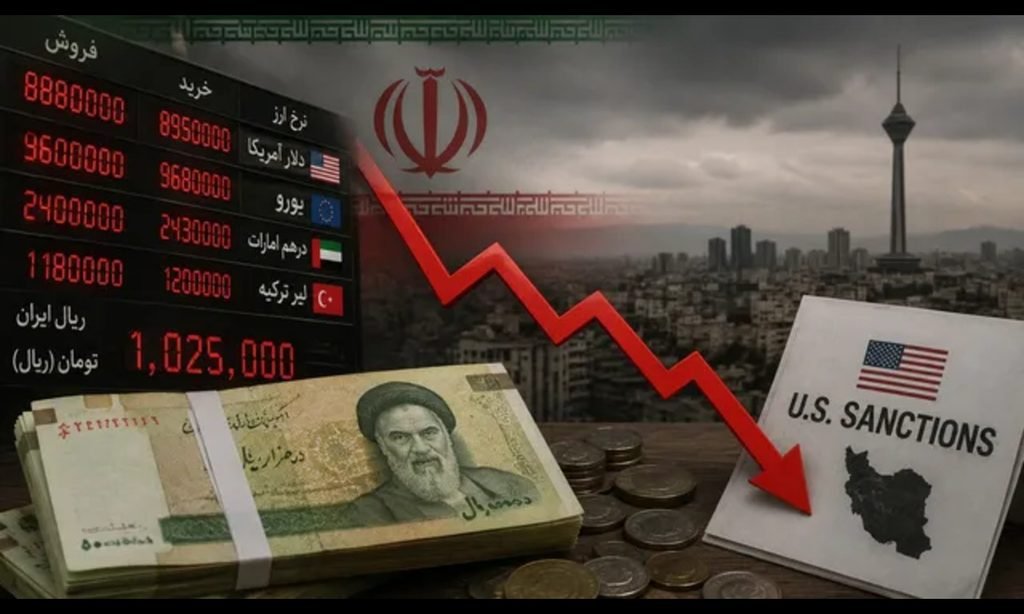
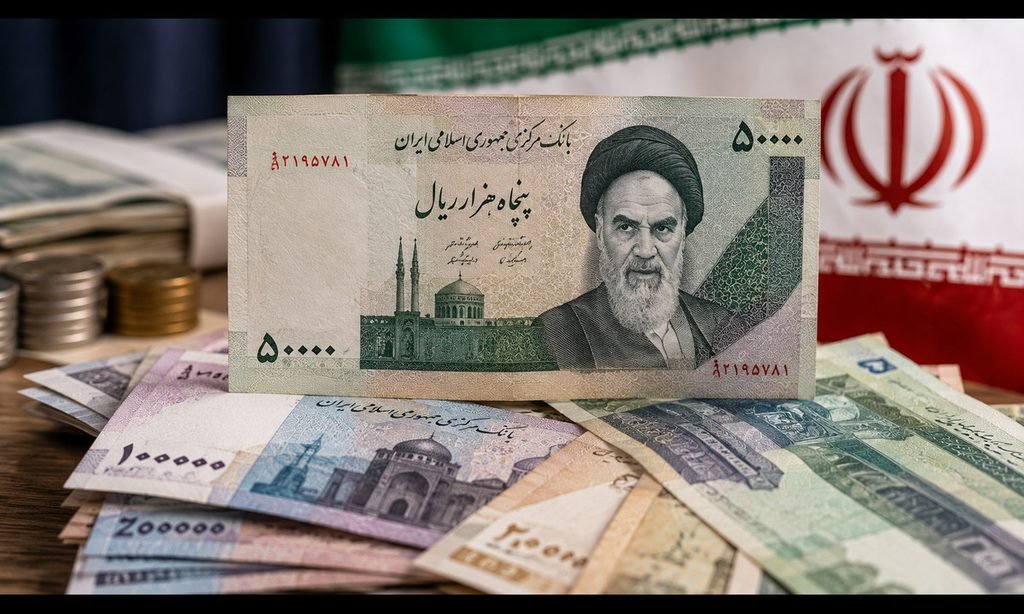
- 2.02 million rials to the dollar was the exchange rate on Iran’s informal currency market on Monday, a new record low. Iran’s official Central Bank rate is closer to 1.5 million rials to the dollar, but most Iranians pay the higher, unofficial rate. The rial was already falling before the war started in February, but it has dropped sharply since fighting began.
- Nearly six months is how long the war between the U.S., Israel, and Iran has now lasted, dating back to strikes on Feb. 28, 2026.
- More than 80% of Iran’s oil exports were going to China before the war began, making Beijing Iran’s largest oil customer and a key player in whether the new Iran sanctions 2026 campaign succeeds.
Iran’s Central Bank Governor, Abdolnaser Hemmati, pushed back on the idea that new sanctions would work. He said Iran survived a similar “maximum pressure” campaign during President Trump’s first term and expects the same result this time. “We stood through those conditions and, in practice, they were unable to do anything,” Hemmati said at a business event in Tehran.
What Officials on Each Side Are Saying
The Trump administration frames the new sanctions as a way to end the war without further bloodshed. Bessent urged Iran’s trading partners to cut ties with Tehran, arguing that doing so would give those countries better access to global financial markets. He also said the sanctions would apply to “enablers” of the Iranian government, not just Iran itself.
Iran’s leadership has taken a defiant public stance. Mohsen Rezai, head of Iran’s Supreme National Security Council, warned other nations against joining the sanctions effort, saying, “Any country participating in the imposition of economic restrictions against us is considered an enemy.” He also claimed Iran has not yet used all of its options, saying, “We have not yet attacked any American economic interests.”
Iranian President Masoud Pezeshkian has defended the now-abandoned June memorandum as the best available path forward, telling state media there was “not a single provision in this agreement that amounts to capitulation.”
China, which buys the bulk of Iran’s oil, has also criticized the new U.S. approach. A Chinese foreign ministry spokesperson said the sanctions “will only exacerbate tensions and escalate the situation,” and called for all sides to avoid steps that could damage global financial stability.
Rising Tensions at Sea
Even as the diplomatic and economic fight plays out, the war continues to spill into international waters. On Tuesday, a British maritime agency reported that an oil tanker was struck by an unknown projectile in the Strait of Hormuz off the coast of Oman, damaging the vessel’s engine room. The crew was reported safe, and the report did not say who was responsible.
Iran has effectively blocked parts of the Strait of Hormuz since the war began, and it has pushed to charge tolls on ships that pass through, while targeting vessels it accuses of avoiding its preferred shipping routes. Just a day earlier, Yemen’s Iran-allied Houthi rebels claimed responsibility for striking a Saudi oil tanker in the Red Sea with a ballistic missile, part of a blockade the group announced against Saudi shipping in July.
Britain’s maritime trade agency also confirmed a separate strike on a vessel off the Saudi port city of Yanbu that caused a fire on deck but no injuries.
These incidents underscore why the Iran sanctions 2026 strategy carries risk. Even if the sanctions squeeze Iran’s economy, disruptions at sea could keep pushing up shipping insurance costs and fuel prices, effects that can eventually reach American consumers at the gas pump.
Diplomatic Efforts Continue Behind the Scenes
Not every recent development has involved sanctions or ships. Pakistan, which helped broker the original memorandum of understanding in June, has stayed involved as a mediator. Pakistan’s Army chief, Asim Munir, traveled to Tehran on Monday for talks focused on preventing further escalation and addressing the Strait of Hormuz standoff.
Pakistan’s interior minister described the talks as yielding “significant progress,” according to the Reuters news agency, though no details were released about specific next steps. President Trump reportedly spoke with Munir before the trip, according to a source familiar with the matter who spoke to CBS News.
Separately, Oman and Iran have held ongoing talks about managing traffic through the Strait of Hormuz, including possible fees for ships and designated routes for entering and exiting the waterway. Those discussions were expected to continue this week.
How This Could Affect People in the United States
Most Americans will not feel the new Iran sanctions 2026 measures directly, since they target foreign banks, shipping companies, and trading partners rather than U.S. consumers. But the broader war has already had ripple effects that touch American life in smaller ways.
The Strait of Hormuz blockade has raised concerns about global oil supplies, which can affect gasoline prices nationwide. The U.S. military has also pulled back on joint exercises with allies such as South Korea, citing the need to keep forces available for the Middle East conflict, a shift that could have long-term effects on U.S. alliances in Asia.
There are also cybersecurity concerns. British media outlets reported that Iranian-linked hackers briefly took a power plant offline in the United Kingdom in July, and separate reports say Iranian-linked hackers targeted water systems in several U.S. states, including New Jersey, Minnesota, Georgia, and South Dakota, causing pressure loss and, in some cases, flooding.
What Happens Next
It is not yet clear whether the new sanctions will bring Iran back to the negotiating table or push the conflict into a new phase. Treasury officials have signaled more sanctions could follow if Tehran’s trading partners refuse to comply. Iran’s government insists it has a long-term plan to absorb the economic hit, and it has warned it may retaliate against countries that support the U.S. effort.
Diplomatic channels through Pakistan and Oman remain open, offering a possible path to defuse tensions around the Strait of Hormuz specifically. But with both sides describing the June memorandum as abandoned, there is currently no active framework guiding formal negotiations between Washington and Tehran.
For now, the Iran sanctions 2026 campaign represents the U.S. government’s latest attempt to end the war without further direct military action, betting that financial pressure can accomplish what months of strikes have not.
What are the new Iran sanctions 2026 measures?
The sanctions, part of what the Treasury Department calls Operation Economic Outcast, target Iran’s digital asset trading, gold, aviation industry, and shipping networks. They also expand penalties for foreign banks and countries that continue financial dealings with Tehran, threatening to cut them off from the U.S. dollar system.
Why did the US impose new sanctions on Iran now?
The U.S. shifted strategy after a June memorandum of understanding, which set a 60-day deadline for ending the war and addressing Iran’s nuclear program, expired without a resolution. Officials say Iran sanctions 2026 are meant to increase economic pressure since direct talks have stalled.
How is Iran responding to the new sanctions?
Iranian officials say they have prepared for the sanctions for years and expect to withstand them, pointing to past experience with U.S. pressure campaigns. Iran’s foreign ministry has also warned that any country joining the sanctions effort will be treated as hostile toward Tehran.
What is happening in the Strait of Hormuz?
Iran has restricted movement through the Strait of Hormuz since the war began in February, and it wants to charge tolls for ships passing through. Recent incidents include a tanker struck by a projectile near Oman, adding to concerns about global oil shipments and safety at sea.
How could this affect gas prices or the economy in the United States?
Because the Strait of Hormuz is a major route for global oil shipments, ongoing disruptions there can affect oil markets and, in turn, gasoline prices in the U.S. The direct sanctions mainly target foreign entities rather than American consumers, but broader market effects are possible.
Is China affected by the new Iran sanctions?
China, which has purchased more than 80% of Iran’s oil exports in the past, has criticized the new sanctions and called on all sides to avoid actions that could worsen tensions or damage the global economy. China’s role as Iran’s top po; buyer makes it central to whether the sanctions succeed.