
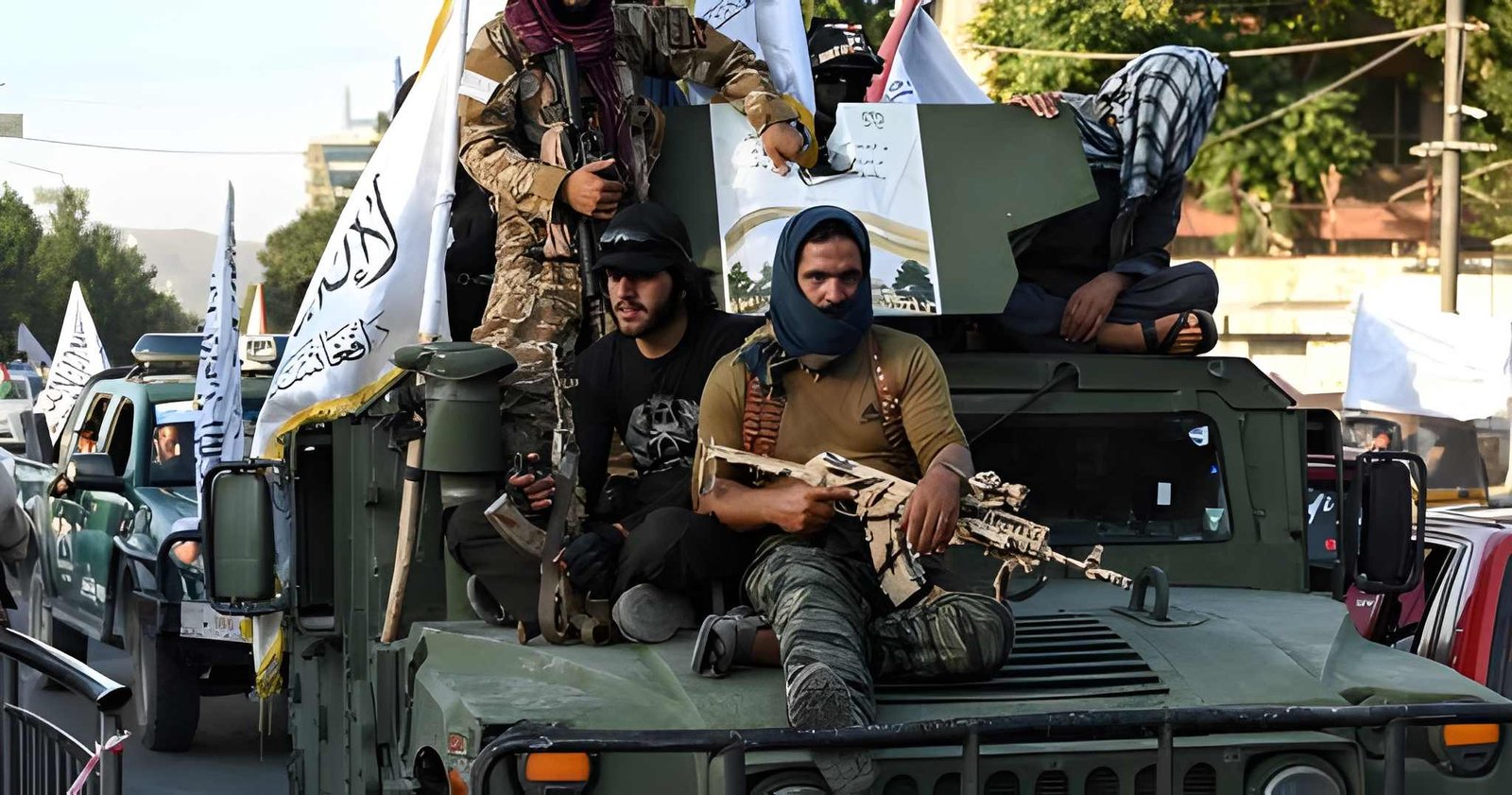
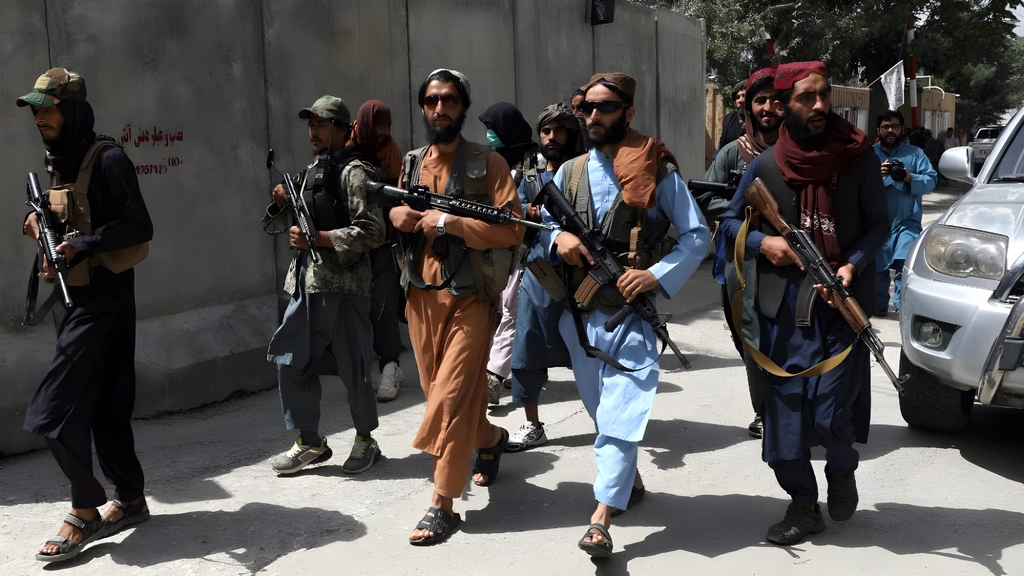
Twenty-five years after the Sept. 11, 2001, attacks set off America’s longest war, the Taliban is back in control of Afghanistan, this time patrolling Kabul’s streets with roughly $7 billion worth of American-made military equipment. CBS News traveled to the Afghan capital this week and found Taliban fighters wearing U.S. tactical gear, driving American armored vehicles, and carrying American weapons once meant for Afghan government forces.
The story of the Taliban’s American weapons stretches back to the chaotic U.S. withdrawal from Afghanistan five years ago, when the Afghan National Army collapsed and left behind a vast stockpile of U.S.-funded military hardware. That equipment is now firmly in Taliban hands, and Afghanistan’s new rulers have shown no interest in giving it back.
Here’s what to know about how the Taliban ended up with billions of dollars in American firepower, who’s being blamed, and what life looks like in Afghanistan a quarter-century after the attacks that started the war.
What CBS News Found in Kabul
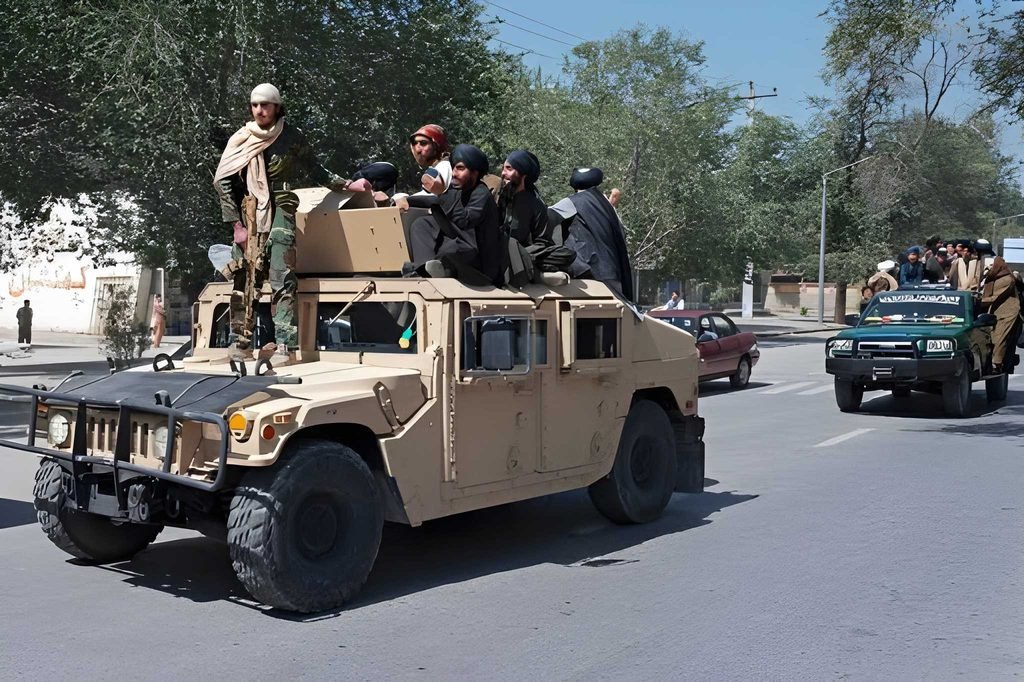
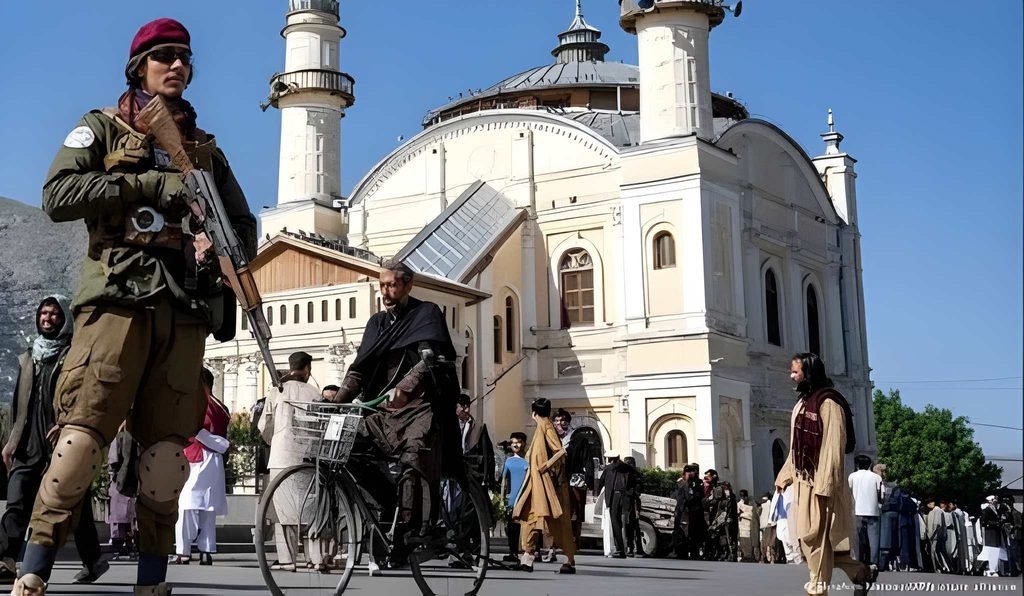
Reporting from Kabul this week, CBS News senior foreign correspondent Imtiaz Tyab documented Taliban forces patrolling the city in U.S.-made armored vehicles, wearing American tactical gear, and carrying American-made weapons, five years after the group swept back into power.
In one striking detail, CBS News spotted a Humvee still bearing a faded Green Bay Packers decal, a leftover trace of the vehicle’s original American or Afghan government operators before it ended up under Taliban control. The Taliban has not hidden its arsenal. The group has staged military parades through Kabul’s streets showing off the American-funded equipment it now controls.
How Much American Equipment Did the Taliban Get?
According to Pentagon figures released last year, roughly $7 billion worth of American military hardware and weaponry fell into Taliban hands when the Afghan National Army collapsed during the 2021 withdrawal.
That equipment includes armored vehicles, tactical gear and weapons originally supplied to Afghan government forces over the course of the two-decade war. Shortly after the Taliban’s takeover, CBS News filmed the group’s elite special forces unit, known as Badri 313, patrolling in American vehicles and gear, a scene that has changed little in the years since.
Who’s Being Blamed for Leaving the Weapons Behind
President Trump has repeatedly criticized the Biden administration over how the 2021 withdrawal was carried out, accusing his predecessor of “totally botching” the exit and allowing billions of dollars in military equipment to be left behind. Trump has also called on the Taliban to return the equipment to the United States.
The Taliban has flatly rejected that demand. Taliban Ministry of Foreign Affairs spokesman Abdul Qahar Balkhi told CBS News the equipment now belongs to “the state of Afghanistan,” and said the group is “not in the business of doing transactions and deals” involving state assets. When CBS News noted that American taxpayers had originally funded the equipment, Balkhi responded by pointing to the toll of the war itself, telling CBS News, “Americans killed a lot of people, destroyed the majority of the country.”
Responsibility for the withdrawal itself has also been a point of dispute between the two administrations. The Doha Agreement, brokered by the first Trump administration in February 2020, set the conditions and timeline that ultimately shaped the U.S. exit from Afghanistan. In 2023, the Biden White House released a summary of a classified review of the withdrawal that largely placed blame on the terms of that earlier agreement. A separate, partially declassified State Department report released the same year found that both the Trump and Biden administrations had engaged in “insufficient” planning surrounding the withdrawal.
Then-President Biden defended his decision to withdraw at the time, saying in August 2021 that the developments of that week reinforced that ending U.S. military involvement in Afghanistan was the right decision. He said American troops should not keep fighting a war that Afghan forces were unwilling to fight for themselves.
The Human Cost of America’s Longest War
The war that began after the Sept. 11 attacks, and the Taliban’s insurgency against U.S. and Afghan government forces that followed, killed more than 2,400 U.S. service members over roughly two decades, along with tens of thousands of Afghan civilians.
The Taliban’s return to power in August 2021 effectively erased two decades of U.S. and allied military effort in a matter of days, as Afghan government forces collapsed with little resistance and the last American and allied troops withdrew from the country.
Life Under Taliban Rule Today
Since retaking power, the Taliban has used its newly acquired arsenal, including the American-funded equipment, to enforce a strict interpretation of Islamic law across Afghanistan. Rules imposed on women and girls have been especially severe, and the United Nations has described the restrictions as “gender apartheid.”
Afghan women and girls have been barred from secondary education and university, largely excluded from public-sector jobs, and subjected to strict dress and movement requirements, including bans on traveling without a male guardian. Some analysts say these restrictions are even harsher than during the Taliban’s first period of rule from 1996 to 2001.
The severity of these restrictions has drawn international legal scrutiny. In July 2025, the International Criminal Court issued arrest warrants for Taliban Supreme Leader Haibatullah Akhundzada and Chief Justice Abdul Hakim Haqqani, accusing them of crimes against humanity for the gender-based persecution of women and girls. Taliban officials rejected the warrants, with a spokesman calling them “nonsense” and saying they would not affect the group’s commitment to its interpretation of Islamic law.
Beyond restrictions targeting women, the Taliban has also cracked down on public protests and dissent, including incidents in which Taliban forces have opened fire on demonstrators.
Why This Matters 25 Years After 9/11
The presence of billions of dollars in American military equipment in Taliban hands underscores how dramatically the outcome of the Afghanistan war diverged from its original goals. The war launched after the Sept. 11 attacks was aimed at removing the Taliban from power and dismantling al-Qaida’s safe haven in Afghanistan. Twenty-five years later, the Taliban is not only back in power, but doing so with a state military arsenal built largely from equipment the United States itself once supplied.
For many Americans reflecting on the anniversary of Sept. 11, the images of Taliban fighters patrolling Kabul in U.S. gear serve as a stark reminder of how the war’s ending diverged from its original aims, and how difficult it has proven to hold anyone accountable for decisions made during the chaotic final withdrawal.
What Happens Next
There is currently no indication that the Taliban intends to return any of the American military equipment now in its possession, despite continued pressure from the Trump administration. Afghanistan’s new rulers have instead continued to display the equipment publicly, including through military parades marking anniversaries of their return to power.
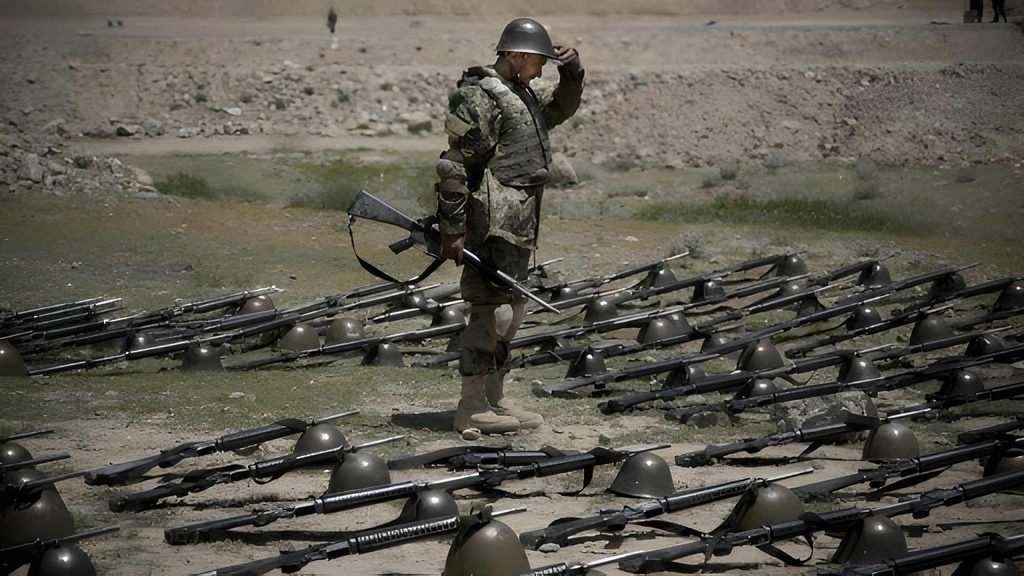
Meanwhile, the Taliban’s human rights record, particularly its treatment of women and girls, remains under continued international scrutiny, with the ICC’s arrest warrants representing one of the most significant formal legal actions taken against the group’s leadership to date. Whether those warrants ever result in an actual arrest remains uncertain, since the ICC has no independent police force and depends on member states to carry them out.
How much American military equipment does the Taliban have?
According to Pentagon figures released last year, roughly $7 billion worth of U.S.-funded military hardware and weaponry fell into Taliban hands when the Afghan National Army collapsed during the 2021 withdrawal.
Why does the Taliban have American weapons?
The equipment was originally supplied to Afghan government forces during the two-decade U.S.-led war in Afghanistan. When the Afghan National Army collapsed as the Taliban swept back into power in August 2021, much of that American-funded equipment was left behind and seized by Taliban forces.
Has the Taliban agreed to return the weapons to the US?
No. A Taliban Ministry of Foreign Affairs spokesman told CBS News the equipment now belongs to “the state of Afghanistan” and said the group is not interested in negotiating over state assets, despite President Trump’s repeated calls for the equipment to be returned.
Who is blamed for the Taliban getting American weapons?
President Trump has blamed the Biden administration for how the 2021 withdrawal was carried out. A Biden White House review pointed to the terms of the 2020 Doha Agreement negotiated by the first Trump administration, while a separate State Department report found that both administrations had engaged in insufficient planning.
How has life changed for woman in Afghanistan under the Taliban?
Afghan women and girls have been barred from secondary education and university, largely excluded from public-sector jobs, and required to follow strict dress and movement rules, including bans on traveling without a male guardian. The United Nations has described these restrictions as “gender apartheid.”
Has the Taliban faced any international legal consequences?
Yes. In July 2025, the International Criminal Court issued arrest warrants for Taliban Supreme Leader Haibatullah Akhundzada and Chief Justice Abdul Hakim Haqqani, accusing them of crimes against humanity for the gender-based persecution of women and girls. The Taliban has rejected the warrants.
How many Americans died the Afghanistan war?
More than 2,400 U.S. service members were killed during the roughly two-decade war in Afghanistan that began after the Sept. 11, 2001, attacks, along with tens of thousands of Afghan civilians.
Daha önce araştırıp pek Türkçe kaynak bulamadığım sorundu Elinize sağlık eminim arayan çok kişi vardır.
bestfitnesstores fitness store best fitness stores fitness store bestfitnesstores fitnessstore fitness store fitnessstore store