

A Swift Observatory rescue satellite came remarkably close to reaching NASA’s sinking telescope last weekend, even though the daring rescue mission had already been called off weeks earlier. The private spacecraft, built by Katalyst Space Technologies, closed to within nine miles of the aging Swift telescope and managed to snap photos before running low on fuel and turning away.
The attempt was always considered a long shot. NASA’s Swift Observatory has been losing altitude faster than expected because of intense solar activity, and the rescue spacecraft, named Link, ran into serious problems of its own shortly after launch. Even so, this final close approach gave engineers valuable data that could help with future efforts to service aging satellites in orbit.
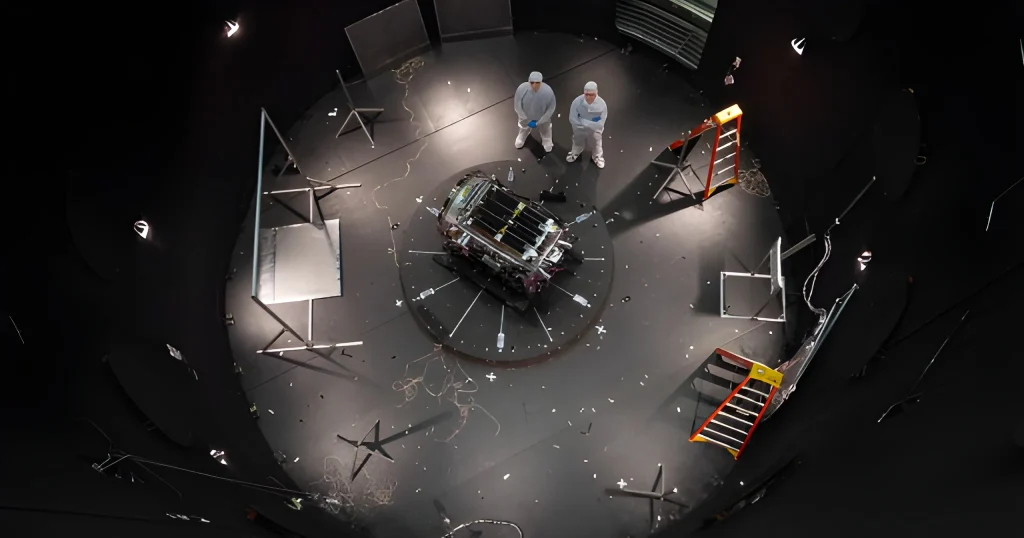
Here’s what happened with the Swift Observatory rescue satellite mission, why it matters for the future of NASA’s aging telescopes, and what comes next for both Swift and the company behind the rescue attempt.
What Happened With the Swift Observatory Rescue Satellite?
Katalyst’s Link spacecraft launched in July with a bold goal: dock with NASA’s aging Swift Observatory and boost it into a higher, more stable orbit, extending its scientific life. Instead, Link began spinning uncontrollably almost immediately after launch.
Flight controllers were able to stop the tumble and stabilize the spacecraft, but doing so used up a large amount of the fuel Link needed for its rescue mission. By August, NASA and Katalyst called off the rescue attempt entirely, concluding there wasn’t enough fuel left to safely boost Swift into a longer-lasting orbit.
Even after the mission was officially scrapped, Katalyst kept Link in the game. Last weekend, the company guided the spacecraft to within 15 kilometers, or about nine miles, of Swift, using its own onboard sensors to gather close-up data on the telescope for NASA. Katalyst CEO Ghonhee Lee summed up the near miss simply: “We got so close, but so far.”
Why the Rescue Attempt Fell Short
According to Lee, Link’s early troubles trace back to how quickly the mission was assembled. Engineers built and launched the rescue spacecraft in just nine months, a compressed timeline that often meant using whatever hardware was readily available rather than waiting for ideal components.
That rushed approach reflected the nature of the mission itself. NASA paid Katalyst $30 million to attempt the rescue, and both the agency and the company treated it as an experiment worth trying even though the odds of success were far from certain. The one firm requirement was avoiding a collision that could scatter dangerous debris through Swift’s orbital neighborhood.
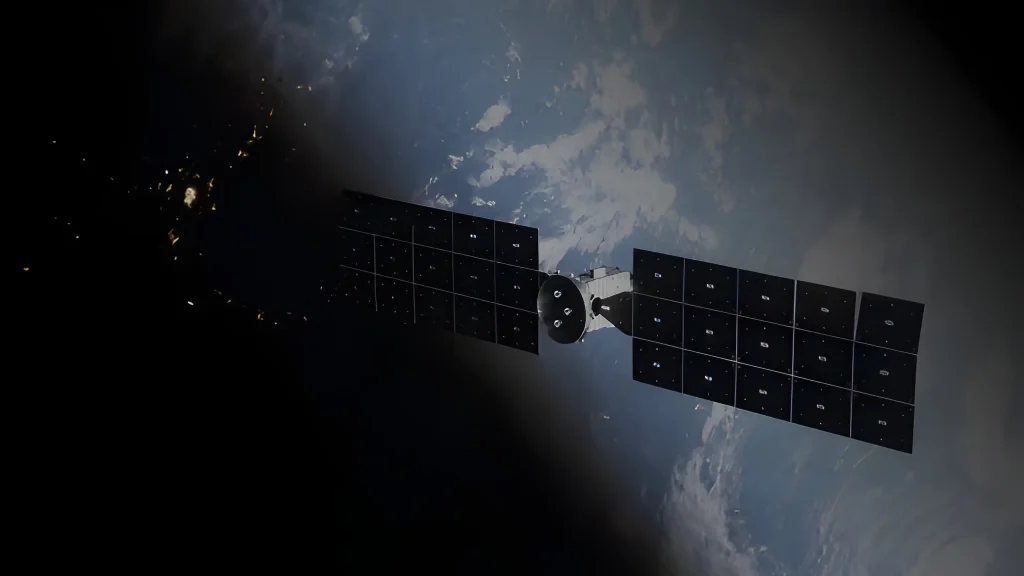
With Link’s fuel now largely spent, Lee said it’s unlikely the spacecraft will attempt another close approach to Swift. Instead, Link will keep testing its three-foot robotic arms and gathering useful engineering data before it eventually reenters Earth’s atmosphere and burns up, likely sometime in the next month.
Why NASA Still Calls It a Success
Despite the setback, NASA leadership has framed the Swift Observatory rescue satellite attempt as a worthwhile experiment rather than a failure. NASA Administrator Jared Isaacman said the mission was exactly the kind of ambitious project the agency should be pursuing, adding that NASA would learn from the experience.
Isaacman’s broader point centers on cost. He said extending the life of a valuable spacecraft already in orbit can make financial sense whenever the cost of a rescue mission is lower than the cost of building and launching a full replacement. That logic is already shaping how NASA designs future missions.
The agency’s newly launched Roman Space Telescope, for example, was built with refueling capability in mind from the start, even though it is headed toward an observation point roughly 1 million miles from Earth. Designing spacecraft to be serviceable from the outset reflects a shift in how NASA thinks about the long-term value of its most expensive missions.
What’s Next fore Swift
NASA’s Swift Observatory, launched in 2004, is now in the final stretch of its time in orbit. The telescope’s altitude has been dropping faster than engineers originally expected because of a period of intense solar activity, which increases atmospheric drag on satellites at Swift’s altitude. NASA expects Swift to reenter the atmosphere sometime between October and the end of the year, though the exact timing still depends on how active the sun remains.

In the meantime, NASA has resumed using Swift for scientific observations. The agency had paused the telescope’s operations earlier this year in order to conserve its remaining power, but brought it back online last week to continue collecting data for as long as possible before the spacecraft’s orbit decays completely.
Could Hubble Face the Same Fate?
Swift isn’t the only aging NASA telescope facing altitude problems tied to solar activity. The Hubble Space Telescope, now 36 years old, has also seen its orbit shortened by the same kind of solar effects, according to Katalyst. The company says it is already developing a next-generation servicing spacecraft designed specifically to boost Hubble into a longer-lasting orbit.
Lee said Hubble still has a few years of usable life left, so any rescue effort isn’t urgent in the way Swift’s situation became. Still, the broader trend Katalyst is banking on is clear: satellite servicing, once considered a niche corner of the space industry, is increasingly seen as a practical and potentially routine way to extend the working life of expensive spacecraft already in orbit.
Background: A New Era of Satellite Servicing
The Swift Observatory rescue satellite attempt is part of a broader shift in how the space industry thinks about aging spacecraft. Rather than treating every satellite as disposable once it reaches the end of its planned life, companies like Katalyst are betting that robotic servicing missions, capable of refueling, repositioning or repairing spacecraft in orbit, will become increasingly common.
That shift is already visible in how NASA designed the Roman Space Telescope, which launched with built-in refueling capability from day one rather than adding it as an afterthought. As more valuable, expensive telescopes and satellites reach the ends of their expected lifespans, the economics of servicing them in place, rather than replacing them outright, are likely to become more attractive to space agencies and private companies alike.
What Happens Next?
For Link, the mission is effectively winding down. With most of its fuel already used stabilizing the spacecraft after its early spin, the company expects Link to spend its remaining time testing its robotic arms and gathering engineering data before reentering the atmosphere within the next month.

For Swift, the clock is now a matter of solar weather as much as anything else. NASA will continue operating the telescope for scientific observations as long as possible before its orbit decays too far, with a reentry expected sometime before the end of the year.
Longer term, Katalyst’s work developing a servicing spacecraft for Hubble suggests the lessons learned from the Swift rescue attempt, even though it fell short of its original goal, could directly shape the next generation of satellite-servicing missions.
Did the Swift Observatory rescue satellite mission succeed?
No, not fully. Katalyst’s Link spacecraft was originally meant to boost NASA’s Swift Observatory into a higher, longer-lasting orbit, but the rescue was called off in August due to Link’s own fuel problems. The spacecraft still managed to come within nine miles of Swift last weekend and gather useful data, even though it couldn’t complete the original rescue.
Why did the rescue mission fall?
Link, the rescue spacecraft, went into an uncontrollable spin shortly after its July launch. Flight controllers used significant fuel stabilizing the spacecraft, leaving too little remaining to boost Swift into a higher orbit. Katalyst’s CEO attributed the problems to the rushed nine-month timeline used to build and launch the mission.
What will happen to NASA’s Swift Observatory now?
NASA expects Swift to reenter Earth’s atmosphere sometime between October and the end of 2026, depending on solar activity. In the meantime, NASA has resumed using the telescope for scientific observations after pausing them earlier in the year to conserve power.
Is the Hubble Space Telescope at risk too?
Hubble’s orbit has also been shortened by solar activity, but Katalyst says the 36-year-old telescope still has a few years of usable life left. The company is developing a next-generation servicing spacecraft designed to boost Hubble into a longer-lasting orbit in the future.
How much did NASA pay for the Swift Observatory rescue satellite attempt?
NASA paid Katalyst Space Technologies $30 million for the rescue attempt. Both NASA and Katalyst treated the mission as an experiment, given the tight timeline and inherent uncertainty of the operation.
What happens to the Link spacecraft next?
With most of its fuel used up, Link is unlikely to attempt another close approach to Swift. Katalyst plans to keep using the spacecraft to test its robotic arms and gather engineering data before it reenters the atmosphere and burns up, likely within the next month.
One Reply to “Swift Observatory Rescue Satellite: 6 Key Facts on NASA’s Near-Miss Save”